

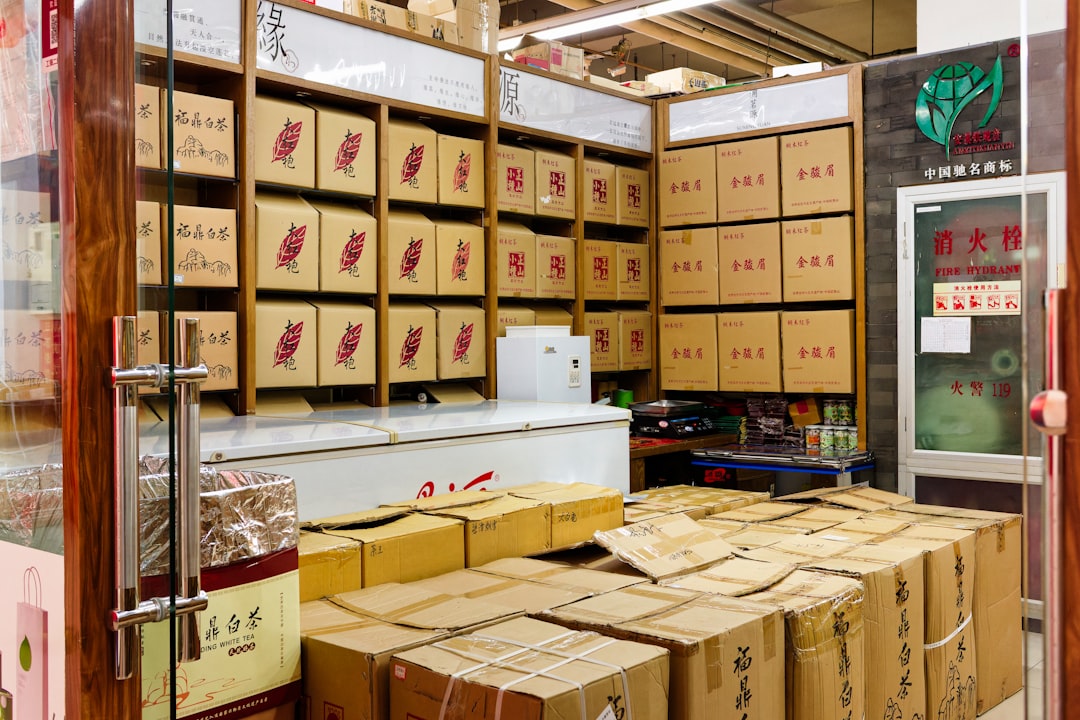
Running a business without knowing what is in stock feels like driving with your eyes closed. You might get lucky for a while. But sooner or later, you crash into a problem. Maybe you run out of your best-selling item. Maybe you order too much and tie up your cash. That is where inventory management apps step in. They help you stay organized, avoid stockouts, and sleep better at night.
TL;DR: Inventory management apps help businesses track stock, avoid running out of products, and reduce waste. They automate counting, send low-stock alerts, and connect with sales systems. The right app saves time, money, and stress. Choose one that fits your size, budget, and goals.
Let’s break this down in a simple way.
Why Inventory Management Matters
Inventory is money sitting on your shelves. Too much inventory. Your cash is stuck. Too little inventory. You miss sales. Both hurt your business.
Common problems businesses face:
- Running out of popular products
- Ordering too much of slow sellers
- Forgetting what is in storage
- Manual counting errors
- Wasting hours in spreadsheets
An inventory management app solves these problems. It tracks every item. It updates stock levels in real time. It can even predict when you need to reorder.
Think of it as a super-organized digital assistant. It never sleeps. It never forgets.

What These Apps Actually Do
You might wonder what makes these apps so powerful. After all, can’t you just use a spreadsheet?
Spreadsheets are fine at the start. But as you grow, they become messy. One mistake can throw everything off.
Inventory management apps offer features like:
- Real-time tracking – Stock updates automatically after every sale.
- Low-stock alerts – Get notified before you run out.
- Barcode scanning – Scan products to update quantities quickly.
- Sales integration – Connect with Shopify, Amazon, or POS systems.
- Reporting and analytics – See what sells and what doesn’t.
- Multi-location tracking – Manage inventory across several stores or warehouses.
These features prevent surprises. And surprises are expensive in business.
How Inventory Apps Help You Avoid Stockouts
Stockouts are painful. A customer wants to buy. You do not have the item. They leave. They may not come back.
Here is how apps prevent that:
- Automatic updates: Every sale reduces stock instantly.
- Forecasting tools: The app studies past sales and predicts demand.
- Reorder points: You set a minimum quantity. The app alerts you when you hit it.
- Supplier tracking: You see how long deliveries take.
This system keeps your shelves full but not overcrowded. It is a balance. And balance means profit.
Popular Inventory Management Apps
There are many tools on the market. Some are simple. Some are advanced. Let’s look at a few popular ones.
1. Zoho Inventory
Great for small to mid-sized businesses. It integrates well with other Zoho products. It supports multiple warehouses. It is user-friendly.
2. TradeGecko (now QuickBooks Commerce)
Good for growing brands. Strong reporting tools. Easy integration with eCommerce platforms. Ideal for product-based businesses.
3. Cin7
Designed for larger operations. Supports complex supply chains. Great for businesses selling across many channels.
4. inFlow Inventory
Simple and powerful. Works well for wholesalers and retailers. Offers barcode scanning and purchase order management.
5. Sortly
Very visual and easy to use. Good for small businesses. Lets you add photos to inventory items.

Quick Comparison Chart
| App | Best For | Key Strength | Ease of Use | Scalability |
|---|---|---|---|---|
| Zoho Inventory | Small to mid businesses | Integrations | Easy | Medium |
| QuickBooks Commerce | Growing brands | Reporting | Medium | High |
| Cin7 | Large businesses | Multi-channel selling | Medium | Very High |
| inFlow Inventory | Wholesalers | Barcode features | Easy | Medium |
| Sortly | Small teams | Visual tracking | Very Easy | Low to Medium |
Choosing the Right App
Not every business needs a complex system. The best app is the one that fits your needs.
Ask yourself:
- How many products do I sell?
- Do I sell online, in-store, or both?
- Do I have multiple locations?
- What is my budget?
- Do I need advanced reports?
If you are small, keep it simple. If you are scaling fast, choose a tool that can grow with you.
Also, test before committing. Most apps offer free trials. Use them. Click around. Add products. Create fake orders. See how it feels.
The Benefits Go Beyond Stock Control
Inventory apps do more than just count products.
They improve:
- Cash flow – You do not overspend on excess stock.
- Customer satisfaction – Items stay available.
- Team productivity – Less manual counting.
- Decision-making – Reports guide smarter purchases.
Data is power. When you know what is selling, you can focus your marketing on those products. When you see slow movers, you can run promotions.
It turns guesswork into strategy.
Real-Life Example
Imagine a small clothing boutique. At first, the owner tracks everything in a notebook. It works for a few months.
Then sales increase. She opens an online store. Things get messy.
One day, she sells a dress online. At the same time, someone buys the last piece in-store. She now owes a refund. The customer is unhappy.
She switches to an inventory app.
Now:
- Online and store sales sync automatically.
- She gets alerts when sizes run low.
- She sees which colors sell best.
- She orders smarter for the next season.
Her stress drops. Her profits rise.

Tips for Getting the Most Out of Your App
Buying the app is step one. Using it well is step two.
Follow these simple tips:
- Keep data clean. Enter products carefully. Avoid duplicates.
- Train your team. Everyone should know how to use it.
- Use barcodes. They reduce errors.
- Review reports weekly. Do not ignore the data.
- Update reorder points. Adjust as demand changes.
Consistency is key. The app only works well if your data is accurate.
Common Mistakes to Avoid
Even good tools can fail if used incorrectly.
Watch out for:
- Not syncing all sales channels
- Ignoring alerts
- Failing to conduct occasional manual counts
- Choosing software that is too complex
- Not backing up data
Keep it simple. Keep it consistent.
The Future of Inventory Management
Technology keeps improving. Many apps now use AI to predict trends. Some connect with smart shelves. Others automate reordering completely.
In the future, inventory systems may:
- Predict seasonal demand with high accuracy
- Automatically compare supplier prices
- Suggest promotional discounts
- Integrate with accounting instantly
This means less manual work. More smart decisions.
Final Thoughts
Inventory management apps are not just tools. They are growth partners. They protect your sales. They protect your reputation. And they protect your sanity.
You do not need to be a tech expert. Most apps are built for regular business owners. If you can use a smartphone, you can use these systems.
Start simple. Learn the basics. Let the app handle the heavy lifting.
Because when your inventory is organized, your business runs smoother. Customers are happier. And you can focus on what really matters. Growing your brand.
Stay stocked. Stay smart. Stay ahead.