

Apparel branding has become one of the most competitive areas of modern commerce, where customers do not simply buy garments; they buy identity, confidence, belonging, and trust. For Design.com Apparel to grow successfully, it must treat fashion branding as a disciplined business strategy rather than a purely creative exercise. Sustainable growth depends on clear positioning, consistent visual identity, product credibility, customer insight, and a brand experience that feels coherent across every touchpoint.
TLDR: Design.com Apparel can strengthen its position by building a clear brand identity, understanding its target customers, and maintaining consistency across product design, messaging, and customer experience. Growth in fashion branding requires more than attractive clothing; it depends on trust, quality, storytelling, and operational discipline. By combining creative direction with data-informed decisions, the brand can scale responsibly while preserving authenticity and customer loyalty.
Establishing a Clear Brand Position
The foundation of apparel success is brand positioning. A fashion label must answer a simple but demanding question: Why should a customer choose this brand instead of another? Without a clear answer, even strong designs can become lost in a crowded market.
For Design.com Apparel, positioning should define the brand’s place in the customer’s life. Is it focused on elevated basics, expressive streetwear, premium casualwear, sustainable essentials, or accessible fashion for everyday confidence? Each direction requires different pricing, messaging, product development, photography, and distribution decisions.
A strong position should be:
- Specific: It should identify a clear customer group and style promise.
- Credible: It must be supported by product quality, service, and presentation.
- Differentiated: It should offer a reason to believe that competitors cannot easily copy.
- Scalable: It should leave room for future collections and category expansion.
Fashion customers are increasingly selective. They compare brands quickly, often within seconds, based on visuals, tone, price, and perceived values. A disciplined position helps ensure that every design and communication decision reinforces the same strategic message.
Building Trust Through Consistency
Trust is one of the most valuable assets in apparel branding. Customers need confidence that what they see will match what they receive. This includes fit, fabric feel, color accuracy, durability, shipping reliability, and customer service responsiveness.
Consistency should appear across all brand touchpoints: product pages, labels, packaging, social media, email communication, photography, and post-purchase support. If the brand presents itself as refined and premium, the product experience must match that promise. If it presents itself as bold and youthful, the tone, styling, and community engagement should reflect that identity.
Inconsistent branding creates hesitation. When customers are unsure whether a brand is polished, reliable, or aligned with their style, they delay purchase decisions or choose a competitor. Consistency reduces uncertainty and helps customers remember the brand more easily.
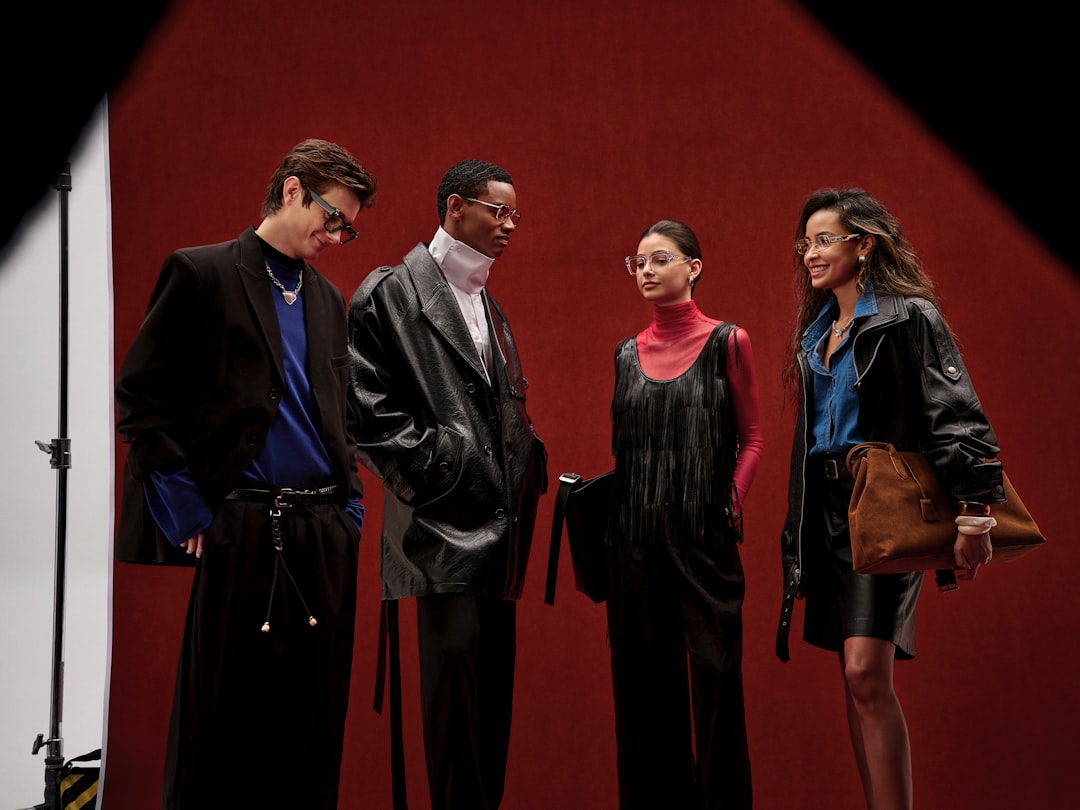
Understanding the Target Customer
Growth in fashion branding begins with customer understanding. Design.com Apparel should avoid trying to appeal to everyone. The most successful apparel brands often begin by serving a well-defined audience exceptionally well, then expand from a position of strength.
Customer research should examine both practical and emotional motivations. Practical motivations include price range, fit preferences, fabric expectations, climate, lifestyle, and purchasing channels. Emotional motivations include self-expression, status, comfort, individuality, belonging, and confidence.
Useful customer questions include:
- What occasions are customers dressing for?
- What frustrations do they have with existing apparel options?
- Which styles do they admire but struggle to find at the right price or quality?
- What values influence their purchasing decisions?
- How do they discover new fashion brands?
These insights should shape product planning, not merely marketing language. A brand that understands its customers can design better collections, choose more effective visuals, write clearer product descriptions, and create campaigns that feel relevant rather than generic.
Aligning Product Strategy With Brand Promise
In fashion, brand identity cannot survive on imagery alone. The product must carry the promise. If Design.com Apparel communicates modern simplicity, the garments should demonstrate careful cuts, practical colors, reliable materials, and thoughtful details. If the brand promotes expressive individuality, collections should offer distinctive silhouettes, graphics, textures, or styling options.
A focused product strategy is usually stronger than an overly broad catalog. Too many unrelated products can weaken perception and complicate inventory management. Instead, the brand should identify core products that represent its identity and build around them.
Examples of strategic product structures include:
- Core essentials: Reliable items that remain available across seasons and build repeat purchasing.
- Seasonal statements: Limited pieces that create excitement and support storytelling.
- Hero products: Signature items that become strongly associated with the brand.
- Complementary accessories: Add-ons that increase average order value while supporting the brand aesthetic.
Every item should have a business role. Some products attract attention, some generate profit, some increase loyalty, and some test future opportunities. Treating the collection this way turns creativity into a measurable growth system.
Developing a Serious Visual Identity
Visual identity is central to apparel branding because fashion is judged first through appearance. However, a serious visual identity is not just about being attractive. It must be recognizable, repeatable, and aligned with the brand’s commercial goals.
Key visual elements include typography, color palette, logo usage, garment labeling, photography direction, packaging, layout style, and campaign composition. These elements should work together to create immediate recognition. Over time, customers should be able to identify the brand even before seeing its name.
For Design.com Apparel, visual discipline can support both credibility and memorability. Product photography should show garments clearly, including fit, texture, and styling range. Lifestyle photography should communicate aspiration without misleading the customer. Editorial visuals can elevate perception, but they should never obscure practical buying information.
Fashion branding succeeds when beauty and clarity work together. Customers want inspiration, but they also want certainty.
Using Storytelling With Restraint and Purpose
Storytelling is powerful in fashion, but it must be authentic. Customers are increasingly skilled at recognizing exaggerated claims or shallow brand narratives. A strong story should explain what the brand stands for, why its products exist, and how it fits into the customer’s world.
Design.com Apparel can use storytelling to communicate values such as craftsmanship, versatility, self-expression, durability, or modern confidence. The story should appear consistently through collection names, campaign language, product descriptions, founder statements, and customer communication.
However, storytelling should not replace product substance. Claims about quality, sustainability, or uniqueness should be backed by evidence. If the brand discusses fabric standards, sourcing choices, or production care, it should be ready to provide clear details. Serious branding depends on transparency.
Strengthening Customer Experience
The customer experience begins before purchase and continues long after delivery. A strong experience increases conversion, repeat purchase, and word-of-mouth recommendation. In apparel, small points of friction can significantly affect trust.
Important areas include:
- Clear sizing information: Accurate size charts, fit notes, and model measurements reduce returns.
- Detailed product descriptions: Fabric composition, care instructions, fit, and use cases should be easy to understand.
- Reliable fulfillment: Timely shipping and clear updates support confidence.
- Fair return policies: Customers are more willing to buy apparel online when returns feel manageable.
- Responsive support: Professional communication can turn problems into loyalty-building moments.

Growth is not only about attracting new buyers. It is also about reducing disappointment. A customer who receives exactly what was promised is more likely to return, recommend the brand, and engage with future launches.
Balancing Trend Awareness With Brand Longevity
Fashion brands must understand trends, but they should not become controlled by them. Trends can create short-term visibility, yet excessive dependence on them can weaken brand identity. Design.com Apparel should study color directions, silhouettes, cultural references, and consumer preferences while filtering them through its own brand position.
A useful approach is to divide product planning into two categories: timeless brand codes and trend-responsive updates. Brand codes are the recognizable elements that remain consistent, such as fit philosophy, color sensibility, graphic style, or material preference. Trend-responsive updates allow the brand to stay current without losing itself.
This balance protects long-term value. Customers should feel that the brand evolves, but they should never feel that it changes personality every season.
Creating Community and Social Proof
Modern fashion brands grow through community as much as advertising. Customers trust real people, credible reviews, and authentic use cases. Social proof helps reduce purchasing risk, particularly for apparel brands that customers have not tried before.
Design.com Apparel can build community by encouraging customer photos, collecting detailed reviews, featuring diverse styling examples, and maintaining an active dialogue with buyers. Community should not be treated as a campaign tactic only. It should be part of the brand’s operating rhythm.
Effective social proof includes:
- Customer reviews that mention fit, quality, and wearability.
- Real-world styling images across different body types and occasions.
- Testimonials from repeat buyers.
- Transparent responses to customer questions and concerns.
Community also provides insight. Customers often reveal which products feel most valuable, which details need improvement, and which messages resonate most strongly.
Managing Pricing and Perceived Value
Pricing is a branding decision. A low price can support accessibility, but it may also raise concerns about quality. A high price can signal premium positioning, but only if the product, presentation, and service justify it. Design.com Apparel should define pricing based on costs, customer expectations, competitive context, and desired brand perception.
Perceived value comes from more than fabric and construction. It includes design relevance, fit confidence, packaging, service, ethical considerations, scarcity, and emotional connection. A customer may accept a higher price when the full experience feels intentional and trustworthy.
Discounting should be used carefully. Frequent promotions can train customers to wait and can weaken perceived value. Instead, the brand can use selective offers, loyalty benefits, bundles, or limited seasonal events without undermining its core price integrity.

Measuring Growth With the Right Metrics
Serious fashion branding requires measurement. Creative success should be evaluated alongside commercial performance. The goal is not to remove creativity, but to understand which decisions create value.
Important metrics include:
- Conversion rate: Measures how effectively interest becomes purchase.
- Repeat purchase rate: Indicates satisfaction and loyalty.
- Return rate: Reveals potential issues with sizing, quality, expectations, or descriptions.
- Average order value: Shows whether customers are buying single items or building outfits.
- Customer acquisition cost: Helps assess marketing efficiency.
- Product sell-through: Identifies which designs match customer demand.
These metrics should inform future decisions. If certain pieces generate high returns, the issue may be fit or product communication. If customers repeatedly buy specific categories, those categories may deserve deeper investment. Data provides discipline, but leadership must interpret it within the broader brand strategy.
Expanding Without Losing Focus
Growth creates risk. As an apparel brand gains traction, there may be pressure to introduce more products, pursue more audiences, and adopt more trends. Expansion should be deliberate. A brand that grows too quickly without operational control can harm quality, confuse customers, and damage trust.
Design.com Apparel should expand through carefully tested stages. New categories should connect naturally to existing customer needs. New campaigns should reinforce the same identity. New partnerships, channels, or markets should be evaluated for strategic fit, not just short-term exposure.
A strong growth plan may include improving core products, deepening customer relationships, expanding into adjacent categories, refining logistics, and increasing brand visibility through credible channels. Each step should strengthen the brand rather than dilute it.
Conclusion: Building a Brand That Lasts
Design.com Apparel’s success in fashion branding will depend on its ability to combine creativity with discipline. The brand must present a clear identity, deliver reliable product quality, understand its customers, and maintain consistency across every interaction. In a crowded apparel market, trust is built slowly but can become a lasting competitive advantage.
The most resilient fashion brands are not those that chase every trend or speak to every customer. They are the brands that know who they are, understand who they serve, and deliver on their promise repeatedly. With a focused strategy and careful execution, Design.com Apparel can grow as a serious, credible, and distinctive presence in the apparel industry.