

When people talk about school improvement, they often picture a new textbook, a renovated classroom, or a teacher using technology in a fresh way. Behind those visible changes, however, is a quieter kind of leadership: planning, budgeting, listening, and making decisions that affect thousands of daily moments in classrooms, buses, cafeterias, libraries, gyms, and offices. The Logan County Board of Education has played that behind-the-scenes role by helping local schools become more modern, more responsive, and better connected to the needs of students and families.
TLDR: The Logan County Board of Education has improved local schools by focusing on facilities, instructional support, technology, safety, career readiness, and community partnerships. Its work has helped schools better serve students in both academic and practical ways. While challenges remain, the board’s efforts show how steady local leadership can make schools stronger, safer, and more future-focused.
Building a Stronger Foundation for Learning
One of the most important ways a board of education improves schools is by setting priorities. A single classroom may be shaped by a teacher, but an entire school system is shaped by decisions about funding, staffing, curriculum, transportation, facilities, and long-term planning. In Logan County, the Board of Education has helped guide those decisions with the goal of giving students a more stable and supportive learning environment.
Improvement does not usually happen all at once. Instead, it comes through a series of practical choices: repairing buildings, supporting teachers, approving programs, updating technology, reviewing student achievement, and responding to community concerns. These decisions may seem ordinary, but together they influence whether students feel prepared, whether teachers feel supported, and whether families trust their neighborhood schools.
Modernizing School Facilities
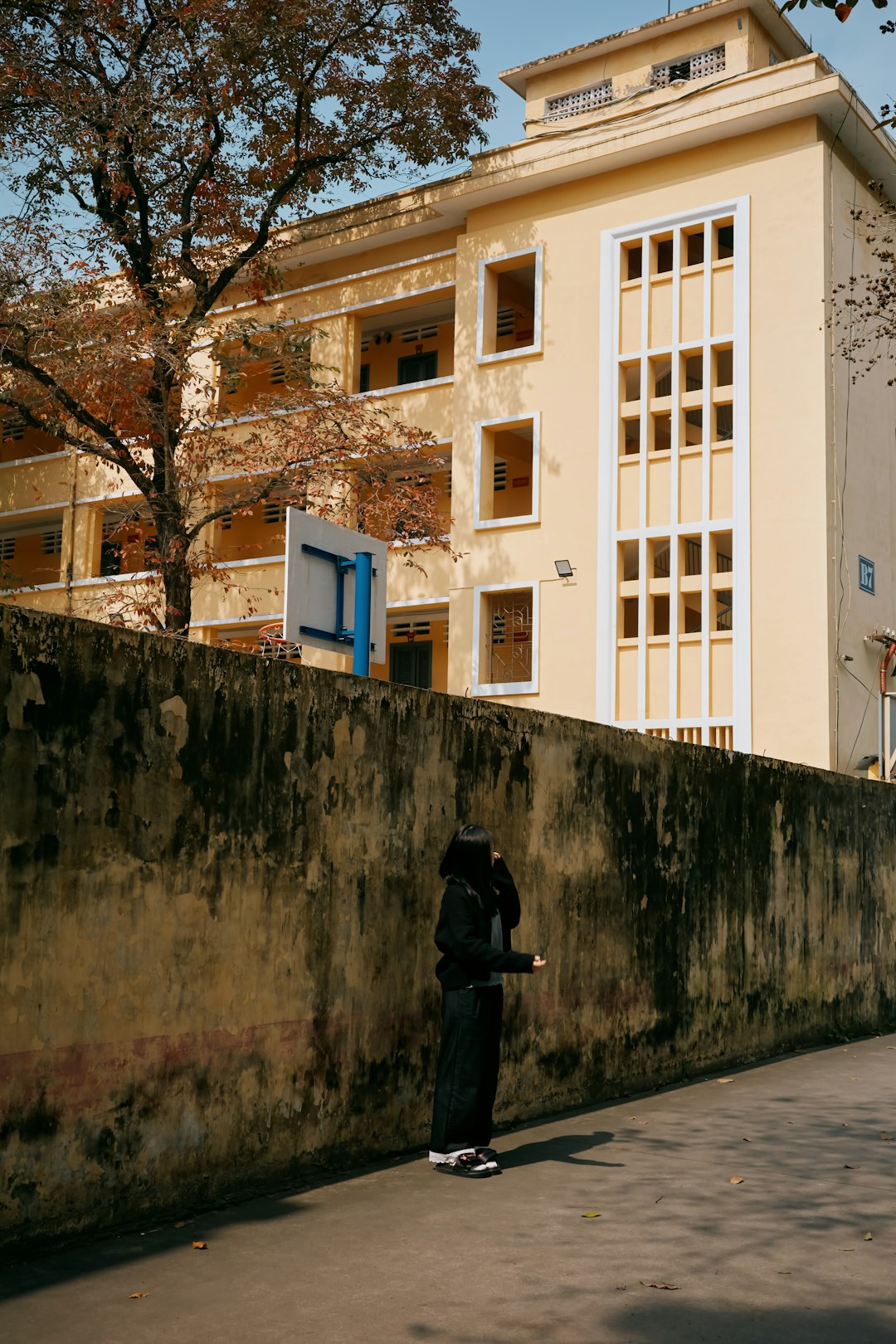
School buildings matter. A clean, safe, functional building sends students a powerful message: your education is important. The Logan County Board of Education has helped local schools improve by prioritizing facility maintenance and upgrades where they are needed most.
Facility improvement can include many different projects, such as roof repairs, heating and cooling updates, classroom renovations, athletic facility improvements, security upgrades, and accessibility enhancements. These projects are not always glamorous, but they are essential. A comfortable classroom can help students focus. A well-maintained gym or auditorium can support school pride. A safer entrance can give parents peace of mind.
For rural and smaller communities, school buildings often serve as more than educational spaces. They are also places where families gather for concerts, ball games, awards nights, meetings, and community events. By investing in school facilities, the board strengthens not only the education system but also the civic life of Logan County.
Improving Safety and Student Well-Being
Another major area of improvement has been school safety. Modern school safety is about more than locked doors. It includes emergency planning, secure entry procedures, staff training, communication systems, mental health awareness, and cooperation with local agencies.
The Board of Education’s role is to ensure that safety is treated as a systemwide priority rather than a school-by-school afterthought. This includes supporting policies and resources that help administrators and staff respond to emergencies, monitor risks, and create orderly school environments.
Just as important is the emotional well-being of students. Many students come to school carrying stress from home, social pressure, health concerns, or economic hardship. Schools are often the first place where those needs are noticed. By supporting counselors, student services, intervention programs, and partnerships with community organizations, the board helps schools address the whole child, not just test scores.
Expanding Technology in the Classroom
Technology has changed what students need to know and how teachers can teach. The Logan County Board of Education has contributed to school improvement by supporting technology access, digital learning tools, and infrastructure that help students participate in a modern education.
This may include classroom devices, improved internet connectivity, learning platforms, digital gradebooks, online assessments, and interactive instructional resources. For teachers, technology can make lessons more engaging and allow quicker feedback. For students, it can open doors to research, collaboration, creativity, and career exploration.
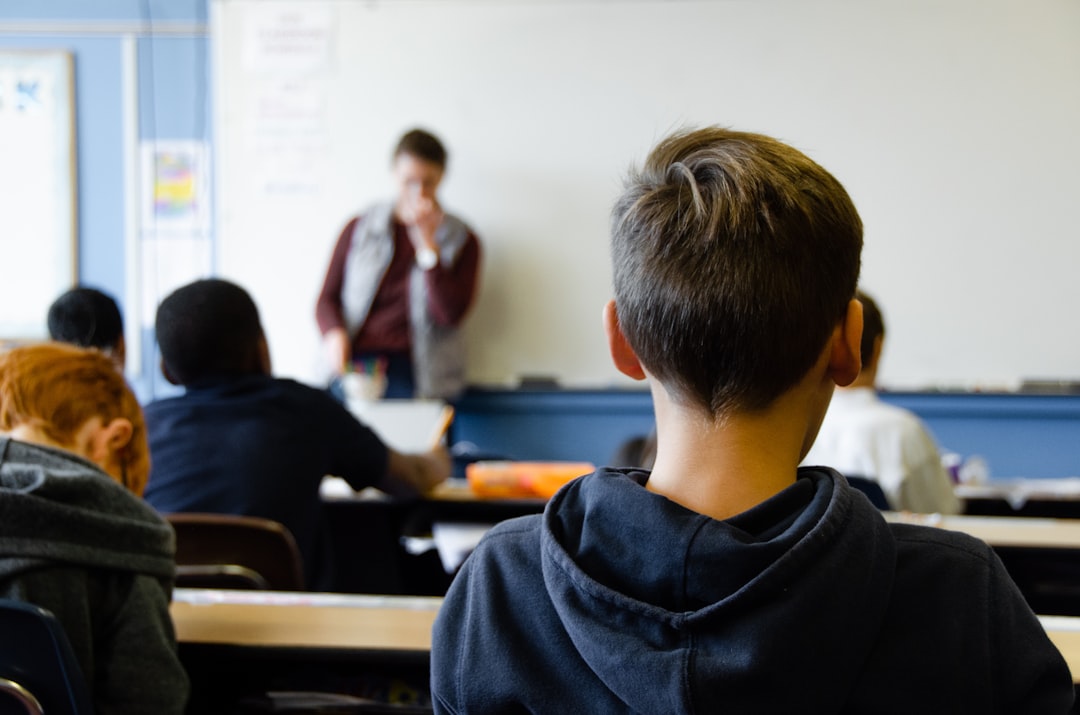
Technology is especially important in communities where students may not have equal access at home. When schools provide dependable digital tools, they help close opportunity gaps. Students can practice typing, create presentations, learn coding basics, conduct research, complete assignments online, and communicate more effectively with teachers.
Of course, technology alone does not improve education. A tablet or laptop is only useful when paired with strong instruction. The board’s support matters because it helps schools move beyond simply purchasing devices and toward using them in meaningful, purposeful ways.
Supporting Teachers and Staff
No school improvement effort succeeds without teachers. The Logan County Board of Education improves schools by supporting the people who work directly with students every day: teachers, aides, principals, bus drivers, cafeteria workers, custodians, coaches, nurses, counselors, and office staff.
Teacher support can take many forms, including professional development, instructional resources, mentoring, curriculum planning time, and policies that promote better working conditions. When educators receive training in new teaching strategies, reading instruction, classroom technology, special education practices, or student behavior support, students benefit.
School staff members also play a vital role in the daily experience of students. A bus driver may be the first school employee a child sees each morning. A cafeteria worker may notice when a student seems upset. A custodian helps keep the building healthy and welcoming. A secretary may be the first voice a parent hears. By recognizing the importance of all employees, the board helps create a culture where every adult contributes to student success.
Strengthening Academic Programs
Academic improvement is at the heart of any school system. The Board of Education helps shape the academic direction of Logan County schools by approving curriculum materials, monitoring performance, supporting interventions, and encouraging programs that meet student needs.
Strong school systems pay attention to both achievement and growth. Some students need enrichment and advanced opportunities. Others need extra help with reading, math, attendance, or study skills. Effective improvement means serving both groups well.
Key academic priorities often include:
- Early literacy: Helping young students become confident readers as soon as possible.
- Math readiness: Building problem-solving skills that prepare students for higher-level coursework.
- Graduation support: Identifying students who may be at risk of falling behind and connecting them with help.
- Special education services: Ensuring students with disabilities receive appropriate support and access.
- Advanced learning: Offering challenging coursework and enrichment for students ready to move ahead.
These priorities require careful planning. The board’s decisions affect staffing, schedules, materials, and programs, all of which shape how academic support reaches students.
Expanding Career and Technical Education
One of the most meaningful improvements any local school system can make is preparing students for life after graduation. Not every student follows the same path, and strong schools recognize that success can include college, technical training, military service, apprenticeships, entrepreneurship, or immediate employment.
The Logan County Board of Education has helped strengthen local schools by supporting career readiness and practical learning opportunities. Career and technical education programs give students hands-on experience in fields such as health services, construction, welding, automotive technology, business, information technology, culinary arts, and other skilled areas depending on local offerings.
These programs are valuable because they connect classroom learning to real-world purpose. A student who struggles with traditional academics may discover confidence through a trade program. Another student may use career training as a stepping stone to college or certification. Local employers also benefit when graduates leave school with stronger workplace skills.
Improving Communication with Families
Schools improve when families feel informed and included. The Board of Education has an important role in promoting communication between schools and the public. Board meetings, district announcements, school websites, messaging systems, parent conferences, social media updates, and community forums all help families understand what is happening in local education.
Good communication is not simply about sending information out. It is also about listening. Parents and community members often know the practical problems students face: transportation concerns, homework struggles, safety issues, scheduling conflicts, or gaps in services. When the board listens to those concerns and uses them to guide decisions, schools become more responsive.
Transparency also builds trust. Families are more likely to support school initiatives when they understand why decisions are made, how money is spent, and what goals the district is working toward.
Addressing Attendance and Student Engagement
Attendance is one of the clearest signs of school health. Students who miss too much school often fall behind academically and socially. The Logan County Board of Education helps improve schools by supporting policies and programs that encourage regular attendance and student engagement.
Improving attendance requires more than reminders. Schools must identify why students are absent. Some may face transportation problems. Others may deal with illness, anxiety, family responsibilities, or lack of motivation. A strong system combines accountability with support, helping students and families overcome barriers rather than simply punishing absence.
Engagement also matters. Students are more likely to attend when they feel connected to school through clubs, sports, arts, career programs, supportive teachers, and positive peer relationships. By supporting a broad student experience, the board helps make school a place students want to be.
Responsible Budgeting and Long-Term Planning
Every improvement costs something, whether it is money, time, staffing, or community effort. One of the board’s most important responsibilities is making responsible financial decisions. This includes approving budgets, setting priorities, seeking grants, managing resources, and balancing immediate needs with long-term goals.
In many rural counties, school systems must be especially careful with resources. Student needs may be high, transportation routes may be long, buildings may be aging, and local economic conditions may shift. The board’s job is to make sure limited funds are used wisely and fairly.
Good budgeting is not only about cutting costs. It is about investing where the return is greatest: safer buildings, stronger instruction, reliable transportation, useful technology, and programs that help students graduate prepared for the future.
Creating a Culture of Local Pride
Perhaps one of the board’s most important contributions is less visible but deeply meaningful: strengthening pride in local schools. Schools are often the heart of a community. They carry traditions, rivalries, celebrations, and memories. When a board invests in students and staff, it tells the community that local education is worth believing in.
That pride can be seen in packed gyms, student performances, graduation ceremonies, academic competitions, agricultural events, service projects, and families cheering from the sidelines. It can also be seen in quieter moments: a teacher staying after school to help, a principal greeting students by name, or a graduate returning to mentor younger students.
The Work Is Ongoing
Improving schools is never finished. New challenges will always appear, from changing technology to workforce demands to student mental health needs. The Logan County Board of Education’s progress matters because it shows a commitment to steady improvement rather than quick fixes.
The strongest school systems are built through partnership. Board members, administrators, teachers, staff, students, parents, local businesses, and community organizations all have a role to play. When those groups work together, schools become more than buildings where classes are held. They become launchpads for opportunity.
Through investments in facilities, safety, technology, instruction, career readiness, communication, and student support, the Logan County Board of Education has helped local schools become better prepared for today’s challenges and tomorrow’s possibilities. The result is a school system that continues to grow, adapt, and serve as a central part of community life.