

Cities are magnets for opportunity, innovation, and cultural exchange. As urban populations continue to grow, the question of how people live, where they live, and what they can afford becomes central to a city’s long-term success. Affordable housing is not simply a social policy issue; it is a foundational element of urban growth and stability that influences economic vitality, social cohesion, and environmental sustainability.
TLDR: Affordable housing is essential for healthy urban growth because it supports economic productivity, reduces inequality, and helps cities function smoothly. Without it, cities face labor shortages, social instability, and rising public costs. Investing in affordable housing strengthens communities, stabilizes local economies, and ensures cities remain livable for people across income levels.
At its core, affordable housing refers to homes that do not consume a disproportionate share of a household’s income, leaving residents with enough resources for food, healthcare, education, and transportation. When cities fail to provide such housing at scale, the effects ripple through every aspect of urban life, often in ways that undermine growth rather than support it.
Image not found in postmetaEconomic growth depends on housing affordability. Cities rely on workers across a full spectrum of incomes: teachers, nurses, retail employees, construction workers, artists, and service staff, alongside higher-paid professionals. When housing costs rise faster than wages, many of these essential workers are pushed to the margins or forced to leave entirely. This creates labor shortages that hurt local businesses and make it harder for cities to function efficiently.
High housing costs also reduce consumer spending power. When households devote 40, 50, or even 60 percent of their income to rent or mortgage payments, they spend less on local goods and services. Over time, this dampens economic activity and slows growth. In contrast, affordable housing frees up income, allowing residents to participate more fully in the urban economy and support small businesses.
Affordable housing is equally vital for social stability and cohesion. Cities thrive when people from different backgrounds can live in proximity, share public spaces, and build community ties. When affordable housing is scarce, cities often become economically segregated, with wealth concentrated in certain areas and lower-income residents pushed into distant or underserved neighborhoods.
This segregation can fuel social tension and erode trust in public institutions. Communities with high housing insecurity tend to experience higher rates of stress, mental health challenges, and crime. Stable, affordable housing provides a foundation for healthier families and neighborhoods, enabling residents to put down roots, maintain social networks, and engage in civic life.
Image not found in postmetaFrom a governance perspective, investing in affordable housing can actually reduce long-term public costs. Housing instability is closely linked to increased spending on emergency healthcare, shelters, and social services. Individuals who lack stable housing are more likely to use emergency rooms and other high-cost public services.
By contrast, well-designed affordable housing programs have been shown to lower these expenses by preventing crises before they occur. Stable housing supports better health outcomes, improved educational attainment for children, and more consistent employment. Over time, these benefits translate into lower burdens on public systems and more resilient urban populations.
Affordable housing also plays a crucial role in supporting sustainable urban development. When lower- and middle-income residents are forced to live far from city centers, commuting distances increase. This results in higher transportation costs for households, more traffic congestion, and increased carbon emissions.
By integrating affordable housing into central and well-connected neighborhoods, cities can encourage more compact, efficient land use. Residents who live closer to their workplaces and essential services are more likely to walk, bike, or use public transit. This not only benefits the environment but also improves overall quality of life.
- Shorter commutes improve work-life balance and productivity
- Reduced emissions contribute to climate resilience goals
- Denser cities make infrastructure and services more cost-effective
Another often overlooked benefit of affordable housing is its role in fostering innovation and cultural vitality. Cities are engines of creativity precisely because they bring together people with diverse experiences and perspectives. When artists, entrepreneurs, and young professionals can no longer afford to live in a city, its cultural and innovative energy can stagnate.
Historically, many of the world’s most dynamic urban centers were places where people of modest means could take risks, start businesses, and pursue creative work. Affordable housing preserves this tradition by lowering barriers to entry and making it possible for a broader range of residents to contribute to the city’s cultural and economic life.
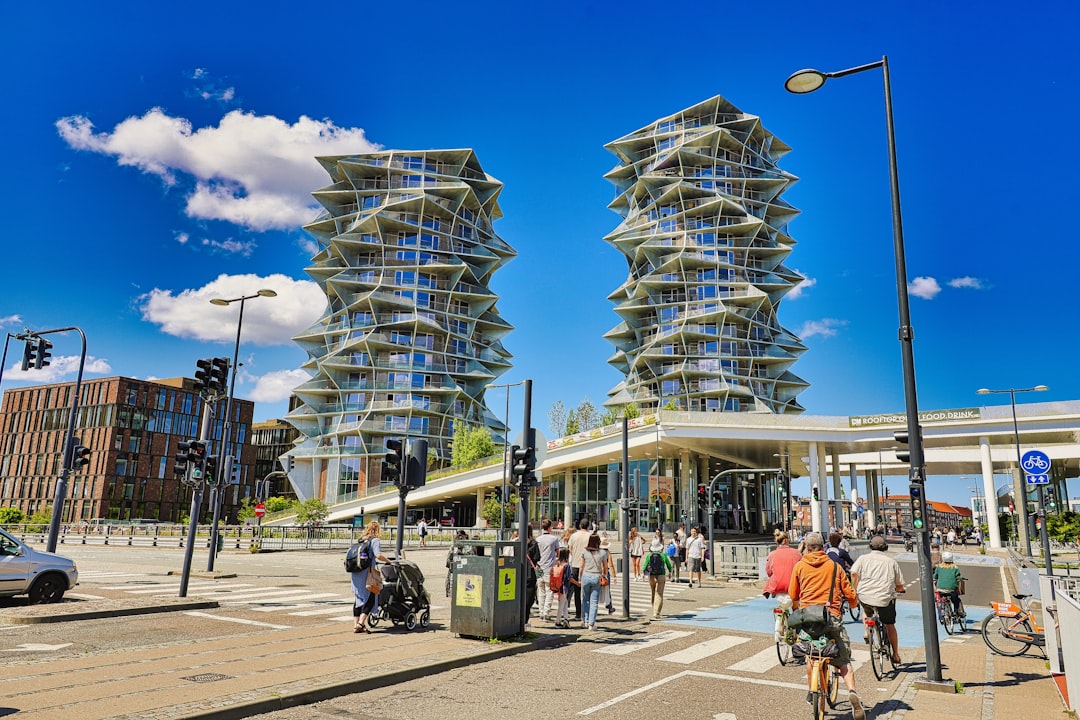
Urban resilience is another key reason affordable housing matters. Cities face increasing challenges from economic shocks, public health crises, and climate-related disasters. Housing stability acts as a buffer during turbulent times. Residents with secure housing are better able to adapt to job losses, health emergencies, or temporary disruptions.
During periods of crisis, cities with stronger affordable housing systems tend to recover more quickly. Stable housing allows people to remain in their communities, maintain access to support networks, and contribute to recovery efforts. In this sense, affordable housing is not just a social good but a form of urban infrastructure that strengthens a city’s ability to withstand and bounce back from adversity.
Despite these benefits, affordable housing is often misunderstood or politically contentious. Some fear it may lower property values or strain local resources. However, evidence from well-planned developments shows that quality affordable housing enhances neighborhoods by improving stability and increasing foot traffic for local businesses. When integrated thoughtfully, it can blend seamlessly into existing communities.
Effective affordable housing strategies typically involve a mix of approaches, including:
- Incentives for private developers to include affordable units
- Public investment in social and mixed-income housing
- Zoning reforms that allow higher density and diverse housing types
- Preservation of existing affordable homes
Importantly, affordable housing should be seen as a long-term investment rather than a short-term expense. The returns include stronger local economies, healthier residents, and more cohesive communities. Cities that prioritize affordability are better positioned to grow in a balanced and inclusive way.
In the end, urban growth is not just about taller buildings or expanding skylines; it is about people. A city’s success depends on whether its residents can live with dignity and security. Affordable housing makes that possible. By ensuring that people at all income levels can call the city home, urban leaders lay the groundwork for growth that is not only faster, but fairer and more stable for generations to come.