

Modern software development moves at an unforgiving pace. Shipping features quickly is no longer a competitive advantage—it is the baseline expectation. What separates high-performing engineering teams from the rest is their ability to debug faster, refactor safely, and reduce hidden technical debt without slowing down delivery. While mainstream AI coding assistants often dominate the headlines, many engineers quietly rely on lesser-known tools that specialize in deep debugging and intelligent refactoring.
TLDR: Developers are increasingly turning to specialized AI debugging and refactoring tools to accelerate development without sacrificing code quality. Beyond popular coding assistants, several lesser-known platforms excel at runtime diagnostics, semantic refactoring, automated test generation, and architectural insight. These tools help reduce regression risk, surface hidden inefficiencies, and improve maintainability. Below are six user-recommended AI tools that consistently deliver measurable productivity gains.
The following tools have been repeatedly highlighted by experienced engineers as practical, production-ready solutions that make real-world coding faster and safer.
1. DeepCode AI (Snyk Code) – Semantic Bug Detection at Scale
DeepCode AI, now integrated within Snyk Code, remains one of the most respected AI-powered static analysis engines available. What distinguishes it is its semantic understanding of code rather than simple pattern matching.
Instead of flagging generic warnings, DeepCode analyzes data flows, framework usage, and contextual intent. This enables it to catch:
- Null reference risks and race conditions
- Security vulnerabilities tied to specific libraries
- Faulty exception handling patterns
- Inefficient or redundant logic blocks
Developers particularly appreciate its ability to integrate seamlessly into CI pipelines. It provides actionable explanations rather than vague alerts, making debugging less about guesswork and more about targeted correction.
Why it matters: By identifying subtle bugs before runtime, teams significantly reduce hotfix cycles and emergency patches.

2. Sourcegraph Cody – Repository-Level Intelligence
Most AI coding assistants operate within a single file. Cody takes a broader perspective by analyzing entire repositories. This contextual awareness makes it exceptionally powerful for debugging large or legacy systems.
Engineers using monorepos or multi-service architectures benefit from Cody’s ability to:
- Trace function calls across services
- Identify outdated abstractions
- Pinpoint unused dependencies
- Suggest cross-file refactoring changes safely
When debugging recurring issues, Cody can analyze historical commits and explain how or when problematic logic was introduced. This reduces the time spent manually navigating version history.
User insight: Teams maintaining mature codebases often cite Cody as a “context multiplier” because it restores architectural clarity.
3. Codiga – Automated Code Quality and Refactoring Rules
Codiga focuses on enforceable, AI-assisted code quality standards. Unlike traditional linters, it allows teams to implement custom smart rules powered by AI.
This makes Codiga especially useful for:
- Enforcing consistent architectural patterns
- Detecting risky refactors before merging
- Automating repetitive structural improvements
- Maintaining compliance in regulated environments
Because rules can be shared across teams, Codiga helps prevent code drift over time. It also assists during refactoring by highlighting dependencies that may be unintentionally impacted by structural changes.
The advantage: Refactoring becomes systematic rather than subjective. Teams operate from shared intelligence instead of personal preference.
4. Diffblue Cover – AI Unit Test Generation for Safe Refactoring
One of the greatest barriers to aggressive refactoring is insufficient test coverage. Diffblue Cover addresses this by automatically generating high-quality, human-readable unit tests for Java codebases.
Rather than drafting superficial tests, Diffblue analyzes method behavior and generates tests designed to validate edge cases and core logic paths.
Its benefits include:
- Increasing test coverage in legacy systems
- Creating a safety net before large refactors
- Identifying ambiguous or unstable code behavior
- Reducing QA overhead
Developers preparing for code restructuring frequently run Diffblue first to ensure critical logic is thoroughly protected.
Result: Refactoring shifts from a high-risk exercise to a controlled, measurable engineering task.
5. Rookout – Live Debugging in Production Environments
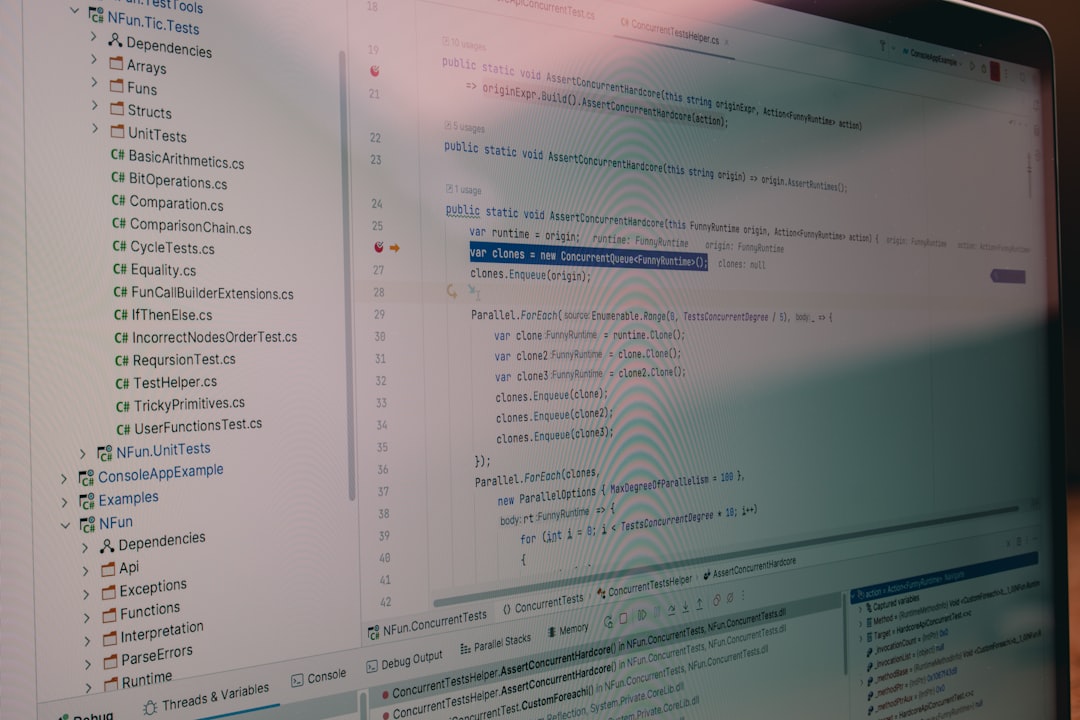
Traditional debugging often requires redeployment or verbose logging. Rookout changes this by allowing engineers to insert non-breaking breakpoints into live systems without stopping services.
This capability is particularly valuable for cloud-native and distributed systems, where recreating production errors locally can be nearly impossible.
Rookout enables:
- Real-time data collection without redeploying
- Targeted inspection of high-latency operations
- Safe debugging in microservices architectures
- Reduced mean time to resolution (MTTR)
Instead of relying on assumptions, developers can observe runtime variables exactly as they behave in production.
Engineering impact: Production debugging becomes precise and minimally invasive rather than disruptive.
6. Stepsize AI – Technical Debt and Issue Insight
Debugging is often reactive. Stepsize AI takes a proactive approach by identifying recurring technical debt patterns before they escalate.
It integrates with project management tools and repositories to connect:
- Code changes
- Bug reports
- Developer comments
- Refactoring tickets
Using AI clustering, Stepsize highlights trends such as repeatedly fragile modules or frequently patched components. Engineering leaders can then prioritize systematic refactors rather than continuing temporary fixes.
Why users recommend it: Visibility into hidden inefficiencies allows teams to allocate resources strategically instead of reacting to repeated failures.
Why These Tools Matter More Than General AI Coders
Mainstream AI coding assistants are exceptional for generating snippets and accelerating boilerplate creation. However, debugging and refactoring demand a different level of precision. These tasks require:
- Contextual reasoning across files and services
- Understanding runtime behavior
- Risk assessment before structural change
- Quality assurance verification
The tools above specialize in these dimensions. Rather than replacing developer judgment, they amplify diagnostic capability and reduce the cognitive load associated with complex codebases.
Importantly, engineers report faster onboarding as well. New team members can rely on AI-driven explanations and contextual insights to understand legacy systems without extended ramp-up periods.
Choosing the Right Tool for Your Stack
Not every team needs all six tools. Effective adoption depends on current bottlenecks.
- If security and bug prevention are primary concerns, DeepCode AI is a strong starting point.
- For large repositories and architectural clarity, Sourcegraph Cody provides cross-file intelligence.
- To enforce structural standards, Codiga supports consistent refactoring rules.
- If low test coverage is blocking improvements, Diffblue Cover reduces risk immediately.
- For mission-critical production systems, Rookout enables safe runtime debugging.
- If technical debt consistently resurfaces, Stepsize AI adds strategic oversight.
Teams that combine proactive detection with runtime insight often see the most significant productivity improvements.
Final Thoughts
Debugging and refactoring are not glamorous tasks, but they are foundational to sustainable engineering velocity. Hidden inefficiencies compound over time, gradually eroding development speed and product stability. The professionals who recommended these tools consistently emphasize one principle: small improvements in diagnostic clarity produce exponential gains in long-term productivity.
AI in software development is no longer limited to generating code. The real acceleration happens when intelligent systems help developers understand, strengthen, and safely evolve what already exists.
For teams serious about reducing downtime, minimizing risk, and writing maintainable software at scale, these six AI debugging and refactoring tools represent a thoughtful and proven starting point.