


Running a Shopify or WooCommerce store can feel like riding a shopping cart down a hill. It is exciting. It is fast. It can also get wobbly. You have products to sell, customers to serve, ads to manage, emails to send, and data to understand. That is where an ecommerce marketing agency can help. The right agency brings the map, the tools, and the snacks for the ride.
TLDR: A great ecommerce marketing agency helps Shopify and WooCommerce brands get more traffic, more sales, and more repeat customers. The best solutions include paid ads, SEO, email marketing, CRO, content, analytics, and retention campaigns. Shopify brands often need fast growth tools and app support. WooCommerce brands often need flexible technical help and strong SEO support.
Why Ecommerce Brands Need Marketing Help
Online stores are open all day. That sounds great. But it also means your marketing never really sleeps.
Customers may visit at lunch. Or at midnight. Or while waiting in line for coffee. Your brand has to be ready.
A good agency helps you show up at the right time. With the right message. To the right person.
This matters for both Shopify and WooCommerce stores. Each platform is powerful. Each has its own quirks. A smart agency knows how to work with both.
Think of the agency like a pit crew. Your store is the race car. You still drive. But the crew keeps the engine sharp.

1. Paid Advertising That Does Not Burn Money
Paid ads can be amazing. They can also eat your budget like a hungry raccoon.
An ecommerce marketing agency helps manage ads across platforms like:
- Google Ads
- Meta Ads for Facebook and Instagram
- TikTok Ads
- Pinterest Ads
- Microsoft Ads
The goal is simple. Spend less to make more.
For Shopify brands, agencies often connect ad platforms with Shopify data. This helps track sales, carts, and customer behavior.
For WooCommerce brands, agencies may set up better tracking through plugins, tags, and analytics tools. This is important. Bad tracking leads to bad choices.
A strong paid ads solution includes:
- Clear campaign structure
- Better product feeds
- Testing of images and videos
- Smart audience targeting
- Retargeting for visitors who did not buy
- Weekly reporting
Fun truth: Most people do not buy the first time they see your product. They need reminders. Not creepy reminders. Helpful ones.
2. SEO That Brings Free Traffic Over Time
SEO stands for search engine optimization. Fancy name. Simple idea.
It helps people find your store on Google.
If someone searches “best organic dog shampoo,” and you sell that product, you want to appear. Not on page 9. Nobody goes there. Page 9 is where forgotten socks live.
An agency can help with ecommerce SEO by improving:
- Product page titles
- Category descriptions
- Meta descriptions
- Site speed
- Internal links
- Blog content
- Image alt text
- Technical errors
Shopify SEO is usually clean but can be limited in some areas. Agencies know how to work around platform limits.
WooCommerce SEO is highly flexible. That is great. But it can also get messy. Agencies can help fix plugin conflicts, slow pages, and messy URL structures.
SEO is not instant. It is more like planting a garden. You water it. You wait. Then one day, boom. Tomatoes everywhere.
3. Email Marketing That Feels Human
Email is still one of the best ecommerce tools. Yes, really. It is not old. It is classic.
A good ecommerce agency builds email flows that sell while you sleep. Not in a spammy way. In a smart way.
Popular email campaigns include:
- Welcome emails for new subscribers
- Abandoned cart emails for shoppers who leave
- Post purchase emails to build loyalty
- Win back emails for inactive customers
- Product education emails to reduce doubt
- Review request emails to build trust
Shopify brands often use tools like Klaviyo, Omnisend, or Shopify Email. WooCommerce brands can use similar tools with strong integrations.
The secret is not sending more emails. It is sending better emails.
Short copy helps. Clear buttons help. Good offers help. A friendly tone helps most of all.

4. Conversion Rate Optimization
Conversion rate optimization is also called CRO. It means turning more visitors into buyers.
Imagine 1,000 people visit your store. If 20 buy, your conversion rate is 2%. If 40 buy, your rate is 4%. You doubled sales without getting more traffic.
That is magic. But legal.
An agency may improve:
- Product photos
- Buy buttons
- Checkout steps
- Product descriptions
- Shipping messages
- Trust badges
- Customer reviews
- Mobile design
Shopify stores often benefit from faster checkout tweaks and app cleanup. Too many apps can slow a store down.
WooCommerce stores often need checkout testing, payment gateway fixes, and speed improvements.
A small change can make a big difference. One better headline can boost sales. One clearer shipping note can reduce panic. One faster page can save a cart.
5. Product Feed Management
Product feeds sound boring. They are not glamorous. They are the plumbing of ecommerce ads.
Your product feed tells platforms like Google and Meta what you sell. It includes product names, prices, images, sizes, colors, and stock status.
If your feed is messy, your ads suffer.
An agency can improve product feeds by:
- Cleaning product titles
- Adding better descriptions
- Fixing missing images
- Grouping product types
- Adding custom labels
- Removing out of stock items
This helps ad platforms understand your products. It also helps customers see better listings.
For stores with many products, feed management is huge. It can be the difference between “meh” results and “wow, where did all these orders come from?”
6. Social Media Content That Sells Softly
Not every social post should scream “BUY NOW!” That gets old fast.
Good social content builds trust. It entertains. It teaches. It shows the product in real life.
An ecommerce agency may create:
- Product demo videos
- Customer review posts
- Behind the scenes content
- Founder stories
- Gift guides
- Seasonal campaigns
- User generated content
Shopify and WooCommerce brands both need content that feels real. Perfect studio shots are nice. But simple phone videos can work better.
People like people. They want to see the product being used. They want to know if it fits, works, smells good, tastes good, or survives a toddler.
Social content should lead shoppers from curiosity to confidence.
7. Retention Marketing for Repeat Sales
Getting a new customer is great. Getting that customer to come back is even better.
Retention marketing focuses on repeat purchases. This is where profits often grow.
Agencies help with:
- Loyalty programs
- Subscription offers
- VIP customer campaigns
- Referral programs
- Personalized product recommendations
- Birthday and anniversary offers
If you sell skincare, customers may need refills. If you sell coffee, they may reorder monthly. If you sell pet toys, well, dogs destroy things. That is a business opportunity.
Shopify has many retention apps. WooCommerce has many plugin options. An agency can choose the right setup and avoid tool overload.
The best retention campaigns feel helpful. Not pushy.
8. Analytics and Reporting Without the Headache
Data is important. But raw data can look like soup.
An agency turns numbers into clear actions.
They can show:
- Which ads make money
- Which products sell best
- Where customers leave
- Which emails drive sales
- How much it costs to get a customer
- How much a customer is worth over time
For Shopify, reporting can pull from Shopify analytics, ad platforms, and email tools.
For WooCommerce, reporting may need extra setup. But it can be very powerful when done right.
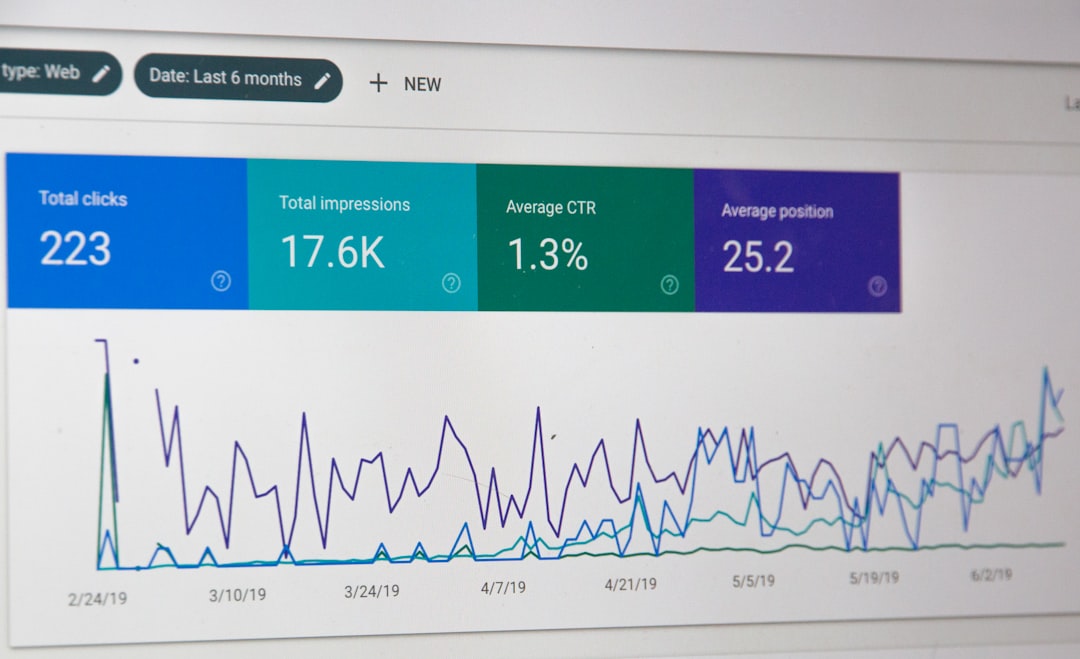
Good reports should not be 40 pages of mystery charts. They should answer three questions:
- What happened?
- Why did it happen?
- What should we do next?
9. Marketplace and Channel Expansion
Your store is home base. But you can sell in other places too.
An ecommerce agency can help brands expand to:
- Amazon
- Walmart Marketplace
- Etsy
- Google Shopping
- Instagram Shop
- TikTok Shop
This can bring more reach. But it also adds work. Product listings must stay updated. Orders must be managed. Inventory must be tracked.
Shopify has strong connections to many sales channels. WooCommerce can connect too, often with plugins or custom tools.
An agency helps avoid chaos. Because selling everywhere sounds fun until inventory says “nope.”
10. Store Design and User Experience
Your store should be easy to use. Pretty is nice. Clear is better.
An agency can improve the shopping experience by making pages simple, fast, and focused.
They may update:
- Homepage layout
- Navigation menus
- Collection pages
- Product page sections
- Search filters
- Mobile checkout
Mobile matters a lot. Many shoppers buy on phones. If your site is hard to use on a phone, sales may slip away.
A good user experience removes friction. It gives shoppers fewer reasons to leave.
Simple wins. Clear photos. Clear price. Clear shipping. Clear button. Happy customer.
Shopify vs WooCommerce: What Agencies Handle Differently
Shopify is known for speed and ease. It is hosted for you. Apps are easy to add. Checkout is smooth. This makes it great for brands that want to move fast.
Common Shopify agency solutions include:
- App setup and cleanup
- Theme updates
- Shopify Plus growth planning
- Checkout improvements
- Product feed optimization
- Email and SMS automation
WooCommerce is built on WordPress. It is flexible. Very flexible. Like yoga flexible. You can customize almost anything.
Common WooCommerce agency solutions include:
- Technical SEO
- Plugin management
- Hosting and speed fixes
- Custom checkout changes
- Content marketing
- Security improvements
Neither platform is “better” for everyone. The best choice depends on your goals, team, budget, and tech needs.
How to Choose the Right Ecommerce Marketing Agency
Do not pick an agency just because their website looks shiny. Shiny is nice. Results are nicer.
Look for an agency that understands your platform and your business model.
Ask questions like:
- Have you worked with Shopify or WooCommerce stores like ours?
- What results have you achieved?
- How do you measure success?
- Who will manage our account?
- How often will we get reports?
- What tools do you use?
- How do you test new ideas?
Also, make sure they speak clearly. If every answer sounds like a robot fell into a marketing dictionary, be careful.
You want a partner. Not a fog machine.
What a Strong Agency Plan Looks Like
A strong ecommerce marketing plan usually has clear stages.
- Audit: Review the store, ads, SEO, email, and analytics.
- Strategy: Choose the best growth channels.
- Setup: Fix tracking, feeds, campaigns, and tools.
- Testing: Try new ads, offers, pages, and emails.
- Optimization: Improve what works. Cut what does not.
- Scaling: Increase budget and reach when results are strong.
This keeps things organized. It also keeps everyone calm. Calm is good. Especially during holiday sales.
Final Thoughts
The best ecommerce marketing agency solutions help Shopify and WooCommerce brands grow with less guesswork. They bring structure to the chaos. They help turn clicks into carts, carts into orders, and orders into loyal customers.
Start with the basics. Fix tracking. Improve product pages. Build smart email flows. Run better ads. Create useful content. Watch the data.
Then keep testing. Ecommerce rewards brands that learn fast.
With the right agency, your store can feel less like a wild shopping cart ride and more like a smooth road trip. Still exciting. Just with better brakes.