

Use CJ Affiliate first if you want bigger B2B SaaS brands. Use ShareASale first if you want easier browsing, smaller SaaS tools, and faster testing. The best move is not romantic. Open both. Build a shortlist. Apply to the programs that match your audience.
TLDR: CJ Affiliate is usually better for finding larger B2B SaaS programs with stronger reporting and brand names. ShareASale is simpler and can be better for niche SaaS offers, especially if you are testing fast. For example, a software review site with 20,000 monthly visitors might find 12 relevant SaaS programs on CJ, but only 5 on ShareASale. Yet ShareASale may get approvals faster, which matters when you want links live this week.
Quick verdict
If your audience buys CRM tools, HR software, finance apps, cloud services, or marketing platforms, start with CJ Affiliate. It has more enterprise-style programs. It also gives you better data once clicks and sales start rolling in.
If your audience likes simple tools, plugins, small business software, design apps, productivity tools, and niche SaaS products, try ShareASale. It feels less corporate. That can be a blessing.
Honestly, it feels like CJ was built for teams with coffee budgets and dashboards. ShareASale feels more like a big marketplace where you poke around until you find something useful.

What are these platforms?
ShareASale is an affiliate network. Merchants list programs there. Affiliates apply. If approved, they get links and earn commissions.
CJ Affiliate, also called Commission Junction by many people who refuse to move on, works the same way. Brands list programs. Affiliates apply. CJ tracks clicks, leads, and sales.
Both can help you find SaaS affiliate programs. Both can also make you mutter at your screen.
Which one has better B2B SaaS programs?
CJ Affiliate usually wins for B2B SaaS depth. You are more likely to find larger software brands there. These may include tools for sales, security, analytics, ecommerce, and business operations.
CJ tends to attract companies with bigger partner teams. That means better program pages, cleaner rules, and more structured payouts. Not always. But often.
ShareASale still has good SaaS options. They may be smaller brands. They may serve creators, small businesses, agencies, bloggers, or ecommerce shops. That is not bad. Smaller SaaS brands can convert well if they solve a sharp pain.
For example, a small invoicing tool with a 30% recurring commission may beat a famous platform paying $25 per lead. Fame is nice. Recurring revenue is nicer.
Ease of use
ShareASale is easier to browse. The interface is not fancy. But you can usually find programs, click into details, and apply without needing a map and emotional support.
CJ has more filters and deeper tools. That sounds great. Sometimes it is. Other times, it takes three extra clicks to find one basic detail, like cookie length. It drives me crazy that some program pages still make you hunt for simple payout terms.
If you are new, ShareASale feels less scary. If you are used to affiliate networks, CJ feels more powerful.
- Best for beginners: ShareASale
- Best for data nerds: CJ Affiliate
- Best for fast program hunting: ShareASale
- Best for serious tracking: CJ Affiliate
Search and discovery
Finding good B2B SaaS programs is not just about typing “software” into a search bar. That gives you a messy pile. You need to search by buyer intent.
Try terms like:
- CRM
- email marketing
- project management
- accounting software
- cybersecurity
- business analytics
- HR software
- ecommerce tools
CJ is stronger when you know what type of software you want. Its advertiser profiles often include better performance data. You can compare EPC, network earnings, and approval details.
ShareASale is better for casual scanning. You might find odd little gems. Some will be ugly. Some will have tiny commissions. A few will be gold.
Image not found in postmetaCommission quality
SaaS affiliate programs can pay in several ways.
- Flat bounty: You earn a fixed amount per sale or lead.
- Percentage commission: You earn a cut of the sale.
- Recurring commission: You earn again each billing cycle.
- Hybrid payout: You earn a lead payout plus a sale bonus.
For B2B SaaS, recurring commission is the dream. A 20% recurring commission on a $100 monthly plan can become $20 per month per customer. Ten customers can mean $200 per month. Without new sales. That is why affiliates get excited and start acting weird in spreadsheets.
CJ often has strong lead-based and sale-based offers. ShareASale often has more small SaaS programs with percentage or recurring terms. But this varies a lot.
Always check:
- Cookie length
- Commission rate
- Recurring or one-time payout
- Approval rules
- Paid search restrictions
- Coupon rules
- Deep link options
Approval process
CJ can be stricter. Bigger brands want clean sites, steady traffic, and a clear promotional plan. If your site is new, expect more rejections.
ShareASale can feel more forgiving. Many merchants approve smaller affiliates. That helps if you are building your first SaaS content site.
Still, do not apply with an empty site. Add at least 10 solid posts. Include review pages, comparison pages, and helpful guides. Show the merchant you can send buyers, not random clicks from the void.
Reporting and tracking
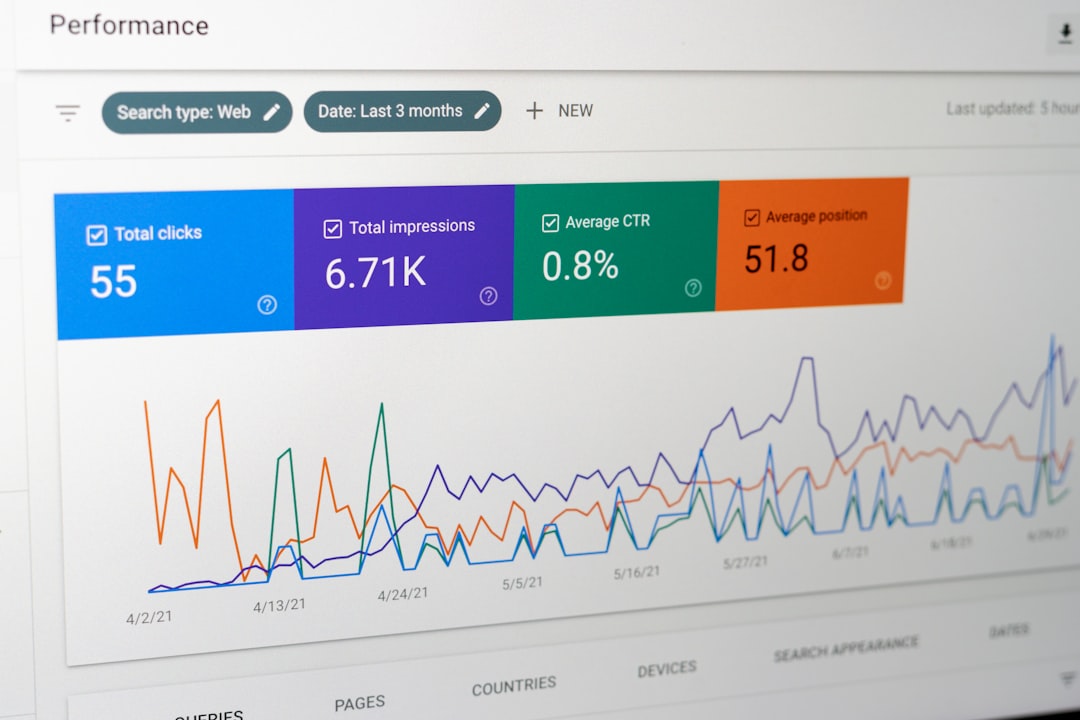
This is where CJ Affiliate pulls ahead. Its reporting is stronger. You can study clicks, actions, commissions, and trends with more detail.
That matters for B2B SaaS. Sales cycles are longer. A user may click today, test a trial next week, and buy after a demo. Better reporting helps you see which content works.
ShareASale reporting is fine for basic needs. You can see clicks, sales, and commissions. But if you want deeper analysis, CJ feels more serious.
A simple example:
- Your “best CRM for agencies” article gets 1,000 visits.
- It sends 80 clicks to a SaaS offer.
- Four people start trials.
- One becomes a paid customer.
With strong reporting, you can spot that path. Then you improve the article. Better callouts. Clearer pricing notes. More comparison tables. Small fixes can raise click rate from 8% to 11%. That is real money.
Program quality control
Not every SaaS affiliate program is worth your time. Some have weak landing pages. Some have confusing pricing. Some forget affiliates exist until payout day. Cute.
Before joining, check the product site. Ask yourself:
- Would I trust this tool?
- Is pricing clear?
- Is there a free trial?
- Are reviews decent?
- Does the product solve a painful business problem?
A boring payroll tool may convert better than a shiny AI gadget. B2B buyers pay for pain relief. They want fewer errors, less manual work, better reports, and fewer meetings. Especially fewer meetings.
Which platform should you choose?
Pick CJ Affiliate if:
- You want bigger SaaS brands.
- You care about advanced reporting.
- You have an established site.
- You promote B2B software with longer sales cycles.
- You can handle a steeper learning curve.
Pick ShareASale if:
- You are newer to affiliate marketing.
- You want faster discovery.
- You like niche SaaS tools.
- You want simpler browsing.
- You are testing many offers quickly.
The best workflow
Here is the simple plan.
- Search CJ for your main SaaS category.
- Save every relevant program with strong payouts.
- Search ShareASale for the same category.
- Add niche tools with good terms.
- Compare cookie length, payout, and landing pages.
- Apply to the best 5 to 10 programs.
- Track results for 30 days.
- Cut weak offers. Keep winners.
Do not join 50 programs and hope magic happens. That is how affiliate dashboards become junk drawers. Start small. Track cleanly. Test one offer per article when possible.
Final answer
CJ Affiliate is the better first stop for serious B2B SaaS affiliate programs. It has stronger brands, better reporting, and more mature program management.
ShareASale is still worth using. It is easier, faster, and useful for finding smaller SaaS products that larger networks may miss.
The smart play is simple. Use CJ for the big fish. Use ShareASale for hidden gems. Then let the numbers decide. Your audience does not care which network you used. They care if the software solves their problem.