

As sustainability becomes a defining factor in modern markets, the concept of Recyclatanteil is gaining increasing attention. Governments, manufacturers, retailers, and consumers alike are evaluating products not only by price and quality, but also by their environmental footprint. Recyclatanteil plays a central role in this assessment, influencing regulations, purchasing decisions, and long-term business strategies.
TL;DR: Recyclatanteil refers to the proportion of recycled material used in a product. For consumers, it signals environmental responsibility and can influence buying behavior. For businesses, it represents both a regulatory requirement and a competitive advantage. Increasing the recyclate content supports circular economy goals, reduces resource extraction, and lowers carbon emissions.
What Does Recyclatanteil Mean?
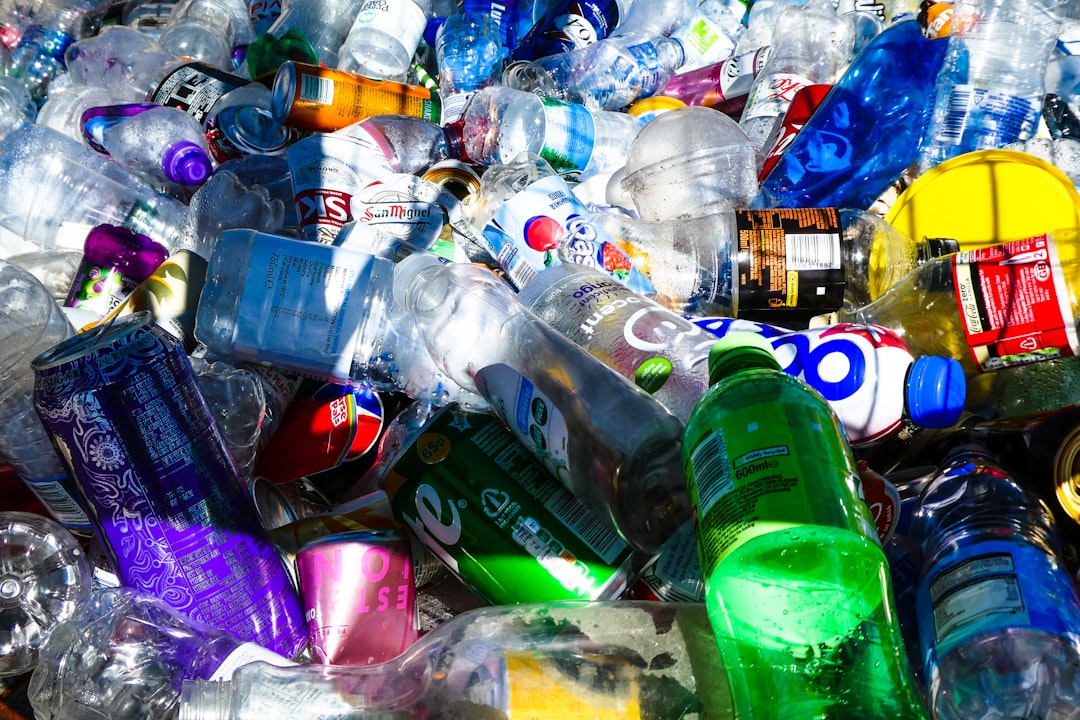
The German term Recyclatanteil translates to “recycled content share.” It describes the percentage of recycled materials used in a product compared to virgin (newly extracted) raw materials. For example, a plastic bottle made of 70% recycled PET has a recyclate share of 70%.
This metric is particularly significant in industries such as:
- Packaging
- Construction materials
- Automotive manufacturing
- Textiles
- Electronics
Recyclatanteil forms a cornerstone of the circular economy model, where materials are kept in productive use for as long as possible.

Why Recyclatanteil Matters for Consumers
1. Environmental Impact
Products with a higher recyclate share typically require fewer virgin raw materials such as petroleum, metals, or timber. This reduces:
- Energy consumption
- Greenhouse gas emissions
- Water usage
- Habitat destruction from mining or drilling
For environmentally conscious consumers, choosing products with a high recyclate share becomes a direct way to reduce their personal footprint.
2. Transparency and Labeling
Increasingly, product packaging includes information about recycled content. Labels such as “Made with 80% recycled material” help consumers make informed choices. In some countries, legislation is pushing for clearer disclosure standards to prevent greenwashing.
Transparency builds trust. When companies openly communicate their recyclate share, consumers can assess whether sustainability claims are credible.
3. Influence on Buying Decisions
Market studies consistently show that a growing segment of buyers is willing to pay slightly more for products with sustainable attributes. While price remains a primary factor for many, environmental credentials are becoming decisive in competitive markets.
For younger demographics, sustainability is often a non-negotiable criterion, making recyclate content a powerful differentiator.
Why Recyclatanteil Matters for Businesses
1. Regulatory Compliance
In many regions, governments are introducing minimum recycled content requirements. The European Union, for instance, has mandated specific recyclate targets for plastic beverage bottles.
Failure to comply can result in:
- Fines and legal penalties
- Market access restrictions
- Reputational damage
Therefore, tracking and increasing recyclate share is not just an ethical choice but a regulatory necessity.
2. Competitive Advantage
Businesses that lead in sustainable manufacturing can differentiate themselves in crowded markets. A higher recyclate share may:
- Strengthen brand reputation
- Attract sustainability-focused investors
- Improve customer loyalty
- Open doors to green procurement contracts
Companies that act early often gain first-mover advantages while competitors scramble to adapt.
3. Cost Dynamics
The economic aspect of recyclate use is complex. Recycled materials can sometimes be cheaper than virgin materials, especially when raw material prices fluctuate. However, quality control, sorting, and processing costs may offset some savings.
Over time, as recycling technologies advance and supply chains mature, economies of scale tend to improve cost efficiency.
Challenges in Increasing Recyclatanteil
Despite its benefits, integrating high levels of recycled material presents challenges.
Material Quality
Recycled materials may show variations in color, strength, or purity. For high-performance applications—such as medical devices or food-grade packaging—strict quality standards must be met.
Supply Chain Limitations
The availability of high-quality recyclates depends on efficient waste collection and sorting systems. Inconsistent supply can hinder production planning.
Technological Constraints
Not all products are easily recyclable. Multi-layer packaging, mixed materials, and complex product designs complicate recycling processes.
Consumer Perception
Some consumers mistakenly associate recycled materials with inferior quality. Overcoming this perception requires education and consistent quality performance.
How Recyclatanteil Is Measured
Accurate measurement is essential to ensure compliance and maintain credibility. The recyclate share is generally calculated as:
Recyclatanteil (%) = (Weight of recycled material / Total material weight) × 100
Certification bodies and auditing organizations often verify these claims. Standards such as the Global Recycled Standard (GRS) help ensure reliable documentation and traceability.
Industries Leading the Way
Packaging Industry
Plastic bottles, especially PET containers, are among the most visible examples. Many manufacturers now offer bottles made from 50–100% recycled plastic.
Textile Sector
Brands increasingly use recycled polyester derived from plastic bottles. This approach not only reduces waste but also lowers energy consumption compared to producing virgin polyester.
Construction
Recycled concrete, steel, and insulation materials are becoming standard in sustainable building projects.

The Role of Innovation
Technological advancements are rapidly transforming recycling capabilities. Chemical recycling, for example, breaks down plastics into their molecular components, enabling near-virgin material quality.
Digital tracking technologies such as blockchain are also being implemented to verify material origins and ensure transparency across supply chains.
Artificial intelligence is improving sorting accuracy in recycling facilities, increasing the availability of high-quality recyclates for manufacturers.
Recyclatanteil and the Circular Economy
At its core, Recyclatanteil is a measurable indicator of progress toward a circular economy. Instead of a linear “take–make–dispose” model, circular systems aim to:
- Design waste out of production
- Keep materials in continuous use
- Regenerate natural systems
A higher recyclate share reduces dependency on finite resources and contributes to climate protection goals.
What Consumers Can Do
Consumers play an essential role in strengthening recycling loops. They can:
- Choose products with declared recycled content
- Properly separate household waste
- Support brands with transparent sustainability practices
- Encourage policymakers to introduce stronger recycling standards
Demand drives supply. When consumers consistently choose sustainable products, companies respond accordingly.
Future Outlook
The importance of Recyclatanteil is expected to grow significantly in the coming decade. Stricter regulations, heightened climate concerns, and resource scarcity will intensify the pressure on industries to adopt recycled materials.
Businesses that proactively invest in recycling infrastructure, supplier partnerships, and product redesign will be better positioned for long-term resilience. Meanwhile, consumers will likely encounter more detailed ecolabels and standardized disclosures.
Ultimately, Recyclatanteil represents more than just a percentage—it reflects a systemic shift toward responsible production and consumption.
Frequently Asked Questions (FAQ)
1. What is the difference between recyclable and recycled content?
Recyclable means a product can potentially be recycled after use. Recycled content (Recyclatanteil) refers to how much recycled material is already used in the product.
2. Is a higher recyclate share always better?
Generally yes, from an environmental standpoint. However, technical requirements and product safety standards must also be met. The ideal percentage depends on the application.
3. Does higher recycled content mean lower product quality?
Not necessarily. Advances in recycling technology allow many products to maintain high quality even with significant recycled material content.
4. Are companies legally required to state their Recyclatanteil?
Requirements vary by country and industry. Some regions mandate minimum recycled content for specific products, while others focus on voluntary disclosure.
5. How can consumers verify recycled content claims?
Consumers can look for recognized certifications such as the Global Recycled Standard (GRS) or other third-party verification labels.
6. Why is recycled material sometimes more expensive?
Processing, sorting, quality control, and limited supply can increase costs. However, as recycling systems scale up, prices often become more competitive.
By understanding what Recyclatanteil means, both consumers and businesses can contribute to a more sustainable and resource-efficient future—one purchasing decision and production cycle at a time.