

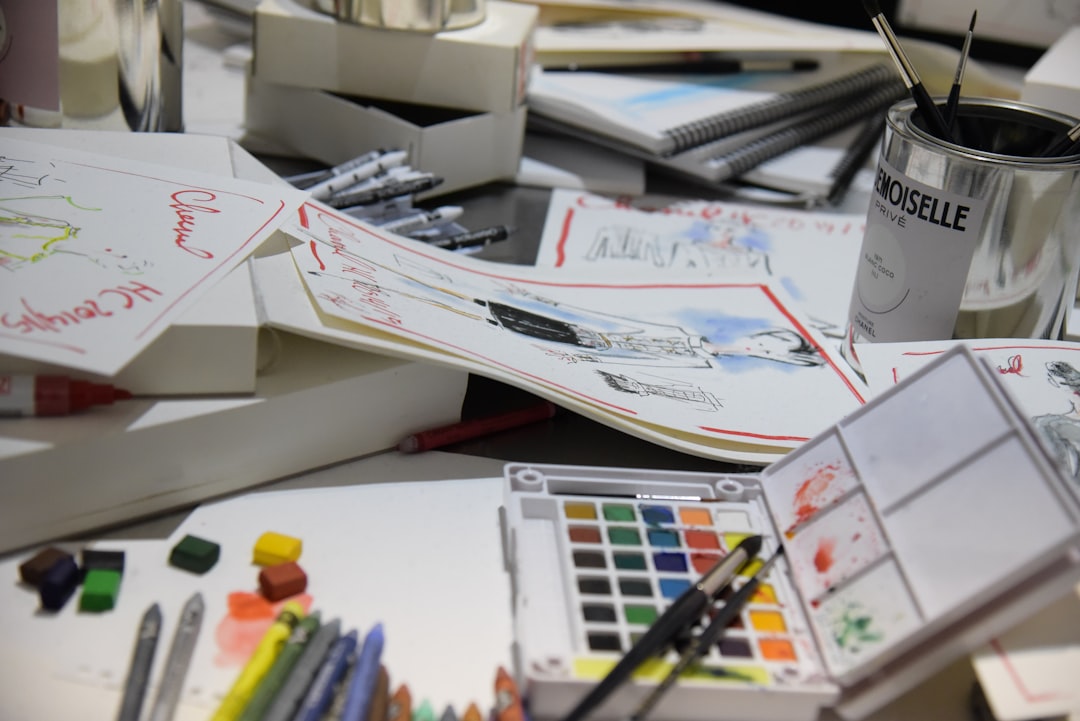
Every strong design begins as a response to a need, a question, or an opportunity. Whether the outcome is a logo, product interface, poster, room layout, publication, or digital campaign, the creative design process gives structure to imagination. It helps a designer move from vague ideas to purposeful solutions that are both visually engaging and functionally effective.
TLDR: A successful design process combines research, strategy, experimentation, feedback, and refinement. Designers do not simply make things look attractive; they solve problems through visual and functional decisions. By understanding the audience, defining goals, exploring concepts, and testing outcomes, a designer can create work that feels original, useful, and meaningful.
Understanding the Purpose of Design
Design is often mistaken for decoration, but its role is much broader. At its core, design is the act of making intentional choices to communicate, guide, persuade, or improve an experience. A designer considers not only how something looks, but also how it works, how it feels, and how it connects with its intended audience.
Good design usually answers a specific problem. A website may need to help visitors find information quickly. A package may need to stand out on a crowded shelf. A public sign may need to communicate clearly in seconds. In each case, the designer must balance beauty with clarity, personality with usability, and creativity with practical limits.
The fundamentals of creative design processes help transform inspiration into a repeatable method. While every designer may work differently, most effective processes include discovery, research, concept development, execution, review, and refinement.
1. Defining the Design Problem
The first stage of making a design is understanding what must be solved. Without a clear problem, the design may become visually interesting but strategically weak. A designer typically begins by asking essential questions:
- What is the goal of the design?
- Who is the intended audience?
- What message should be communicated?
- Where and how will the design be used?
- What limitations exist, such as budget, time, format, or technology?
This stage helps create a design brief, which acts as a roadmap. The brief does not need to restrict creativity; instead, it gives creativity a direction. When the designer knows the purpose, the audience, and the expected outcome, every future decision becomes easier to evaluate.
For example, a poster for a music festival will require different colors, typography, and imagery than a medical brochure. The design problem gives context to every choice.
2. Research and Inspiration
Research is one of the most important foundations of creative design. Before sketching or selecting colors, a designer studies the subject, audience, competitors, trends, history, and environment surrounding the project. This step prevents assumptions and helps the work become more relevant.
Research may include reviewing similar designs, studying user behavior, analyzing brand values, collecting visual references, or observing how people interact with existing solutions. Inspiration can come from art, architecture, nature, fashion, technology, cultural symbols, or everyday objects.
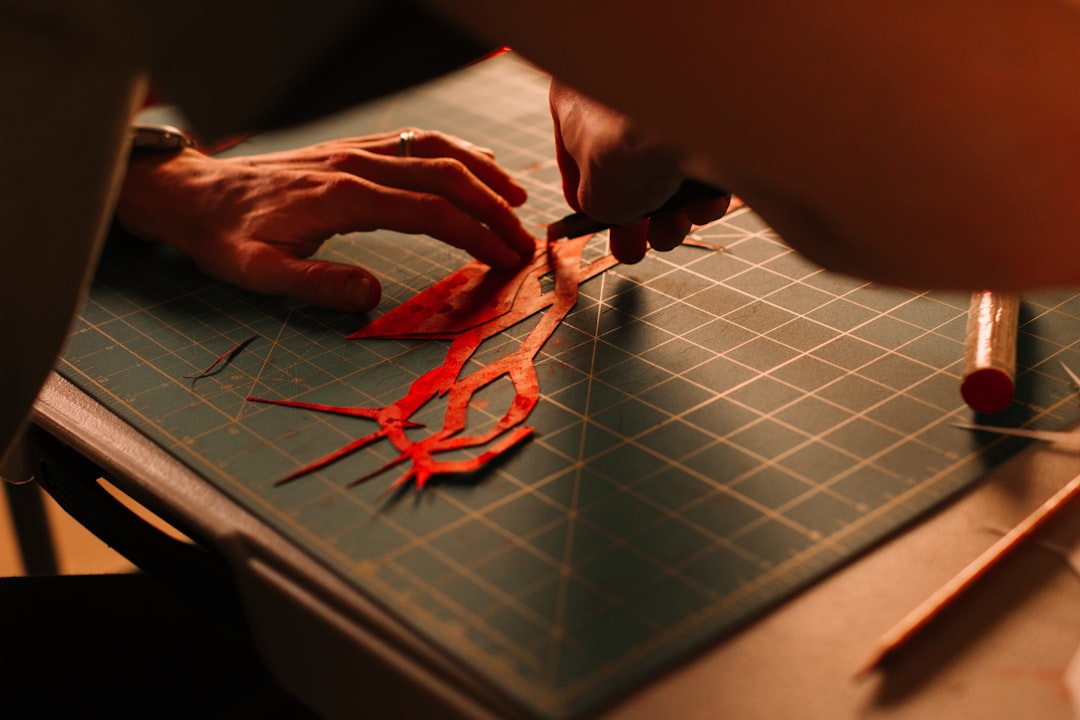
However, inspiration should not become imitation. A skilled designer studies what exists in order to understand possibilities, not to copy them. The goal is to identify patterns, discover gaps, and develop a unique direction that fits the project.
3. Understanding the Audience
A design is rarely made for the designer alone. It is usually created for a group of people with specific needs, expectations, emotions, and behaviors. Understanding the audience allows the designer to create work that feels relevant rather than random.
An audience may be defined by age, location, interests, profession, culture, habits, or level of knowledge. A children’s educational app, for instance, should use a different visual language than a financial report for executives. The designer considers how the audience thinks, what they value, and what visual cues they are likely to trust or enjoy.
This does not mean design should always be predictable. Sometimes a design succeeds because it surprises the audience. Still, even surprise must be based on understanding. The designer must know what expectations exist before deciding whether to follow or challenge them.
4. Building a Concept
After research, the designer begins shaping ideas into a concept. A concept is the central creative direction behind the design. It is the idea that connects form, message, and emotion. Without a concept, visual elements may feel disconnected, even if they are individually attractive.
Concept development often begins with brainstorming. The designer may create word lists, mind maps, rough sketches, visual associations, or quick digital experiments. At this stage, quantity is valuable. Many ideas are explored before the strongest ones are selected.
Useful concept questions include:
- What should the viewer feel first?
- What is the main message or story?
- What visual metaphor could represent the idea?
- How can the design be made memorable?
- What should be avoided because it feels generic or misleading?
A strong concept gives the design unity. It helps typography, color, imagery, layout, and tone work together instead of competing for attention.
5. Exploring Form, Color, and Typography
Once a concept is established, the designer begins making visual decisions. These decisions are not arbitrary; each one contributes to communication.
Form refers to shapes, structure, layout, spacing, and composition. It controls how the viewer’s eye moves through the design. A balanced composition may feel stable and trustworthy, while an asymmetrical layout may feel energetic or modern.
Color influences mood and meaning. Warm colors such as red, orange, and yellow can feel energetic, bold, or urgent. Cool colors such as blue and green may suggest calm, trust, or nature. Cultural context also matters because colors can carry different meanings in different places.
Typography affects both readability and personality. A serif typeface may feel traditional or refined, while a geometric sans serif may feel clean and contemporary. The designer considers size, spacing, hierarchy, and contrast so that information is easy to understand.

These elements must work as a system. A design with beautiful colors but poor readability may fail. A layout with strong structure but inappropriate imagery may confuse the audience. The designer constantly evaluates how each choice supports the overall purpose.
6. Creating Visual Hierarchy
Visual hierarchy is the arrangement of elements by importance. It tells the viewer where to look first, second, and third. Without hierarchy, a design can feel chaotic, even if every element is well made.
Hierarchy can be created through size, contrast, color, placement, spacing, alignment, and typography. A headline may be large and bold to attract attention. Supporting text may be smaller and lighter. A call-to-action button may use a contrasting color so it is easy to find.
Good hierarchy respects the viewer’s time. It makes information easy to scan and understand. In digital design, hierarchy also supports usability by helping users navigate interfaces. In print design, it guides the reader through content in a logical order.
7. Prototyping and Experimentation
Design improves through making. A designer rarely arrives at the best solution on the first attempt. Prototypes, mockups, sketches, and drafts allow ideas to be tested before final production.
A prototype can be simple or detailed. For a product, it may be a physical model. For a website, it may be a clickable wireframe. For a poster, it may be several layout variations. The purpose is to see how the idea behaves in a more realistic form.
Experimentation is essential because it reveals possibilities that planning alone cannot predict. Sometimes an unexpected layout, unusual crop, or new material gives the design more impact. At the same time, experimentation should remain connected to the goal. Creativity becomes strongest when it has both freedom and focus.
8. Feedback and Critique
Feedback is a critical part of the creative design process. A designer may be deeply familiar with the project, but viewers or clients may notice issues that the designer has missed. Constructive critique helps reveal whether the design communicates clearly.
Useful feedback focuses on goals rather than personal taste. Instead of asking, “Do people like it?” the designer may ask, “Does it communicate the message?” or “Can the audience understand what action to take?”
Not all feedback should be accepted automatically. The designer must interpret comments carefully and identify the problem behind them. If someone says a design feels “too busy,” the real issue may be weak hierarchy, too many colors, or crowded spacing. The designer’s role is to translate feedback into effective improvements.
9. Refinement and Finalization
Refinement is where good design becomes excellent. At this stage, the designer adjusts details such as alignment, spacing, color consistency, image quality, contrast, grammar, accessibility, and production requirements. Small changes can have a large effect on the final result.
Refinement also means removing unnecessary elements. Many designs become stronger when they are simplified. If an element does not support the concept or improve communication, it may distract from the message. Clarity is often achieved through subtraction.

Before delivery, the designer checks technical specifications. Print projects may require correct resolution, bleed, margins, and color mode. Digital projects may require responsive behavior, accessibility standards, file optimization, and compatibility across devices. A creative idea must be prepared properly to succeed in the real world.
10. The Role of Constraints in Creativity
Many people assume creativity requires complete freedom, but constraints often make design stronger. Limitations such as size, budget, brand guidelines, materials, or deadlines force the designer to make sharper decisions. Constraints create boundaries that encourage inventive problem-solving.
For example, a limited color palette can produce a more memorable identity. A small space can lead to a cleaner layout. A tight deadline can encourage decisive experimentation. Rather than treating constraints as obstacles, experienced designers use them as creative tools.
11. Developing a Personal Design Process
Although the fundamentals are widely shared, each designer eventually develops a personal process. Some begin with extensive sketching, while others think best through digital layout. Some rely on research boards, while others start with written strategy. The most effective process is one that produces thoughtful, reliable, and original results.
A designer’s process also evolves over time. Each project teaches new lessons about communication, collaboration, technology, and audience behavior. By reflecting on what worked and what did not, the designer becomes more adaptable and confident.
Conclusion
Making a design is a structured act of creativity. It involves curiosity, analysis, experimentation, visual skill, and careful judgment. The strongest designs are not created by chance; they are developed through a process that connects purpose with imagination.
When a designer defines the problem, researches deeply, understands the audience, builds a clear concept, tests ideas, receives feedback, and refines the final work, the result becomes more than decoration. It becomes communication with intention. Whether the project is simple or complex, the fundamentals of the creative design process help transform ideas into meaningful visual experiences.
FAQ
What is the first step in making a design?
The first step is to define the design problem. A designer must understand the goal, audience, message, context, and limitations before making visual decisions.
Why is research important in design?
Research helps the designer understand the audience, market, subject, and existing visual landscape. It prevents guesswork and supports more relevant creative choices.
What makes a design effective?
An effective design communicates clearly, serves its purpose, appeals to the intended audience, and uses visual elements such as color, typography, layout, and imagery with intention.
How does feedback improve design?
Feedback reveals how others interpret the design. It helps identify problems with clarity, usability, hierarchy, or emotional impact, allowing the designer to refine the work.
Is creativity more important than strategy?
Creativity and strategy are both essential. Creativity makes the design distinctive, while strategy ensures that it solves the right problem and communicates to the right people.
Can constraints help the design process?
Yes. Constraints can make a design stronger by giving the designer clear boundaries. They encourage focused decisions and often lead to more inventive solutions.