

In competitive real estate markets, where multiple offers are common and buyers make decisions quickly, presentation can be the deciding factor between an average offer and an exceptional one. Home staging has evolved from a nice-to-have into a strategic tool that helps properties stand out, evoke emotion, and signal value. By carefully preparing a home for sale, sellers can influence how buyers perceive space, quality, and lifestyle potential.
TLDR: Home staging helps properties stand out in fast-moving, competitive markets by highlighting space, functionality, and lifestyle appeal. Strategic decluttering, neutral design choices, and thoughtful room-by-room preparation can increase buyer interest and lead to stronger offers. Small investments in lighting, furniture placement, and curb appeal often deliver significant returns. Well-staged homes tend to sell faster and closer to, or above, asking price.
Why Staging Matters More in Competitive Markets
In a seller’s market, buyers often tour several homes in a short period of time. A staged home creates a memorable first impression and helps buyers emotionally connect to the space. Rather than seeing a property as someone else’s home, buyers begin to imagine it as their own.
Staging also helps a home photograph better, which is critical in an era where most buyers form opinions online before scheduling a showing. Well-lit rooms, balanced furniture layouts, and cohesive decor can make listings stand out in crowded online searches.
Decluttering and Depersonalizing for Broader Appeal
One of the most fundamental staging techniques is decluttering. Excess furniture, collections, and personal items can make rooms feel smaller and distract buyers from architectural features.
- Remove family photos, personalized artwork, and niche decor.
- Clear countertops, tabletops, and open shelving.
- Organize closets and storage areas to suggest ample space.
Depersonalizing allows buyers to mentally move in. Neutral environments feel larger, cleaner, and more adaptable, which is particularly important when competing against similar listings.
Strategic Furniture Placement to Define Space
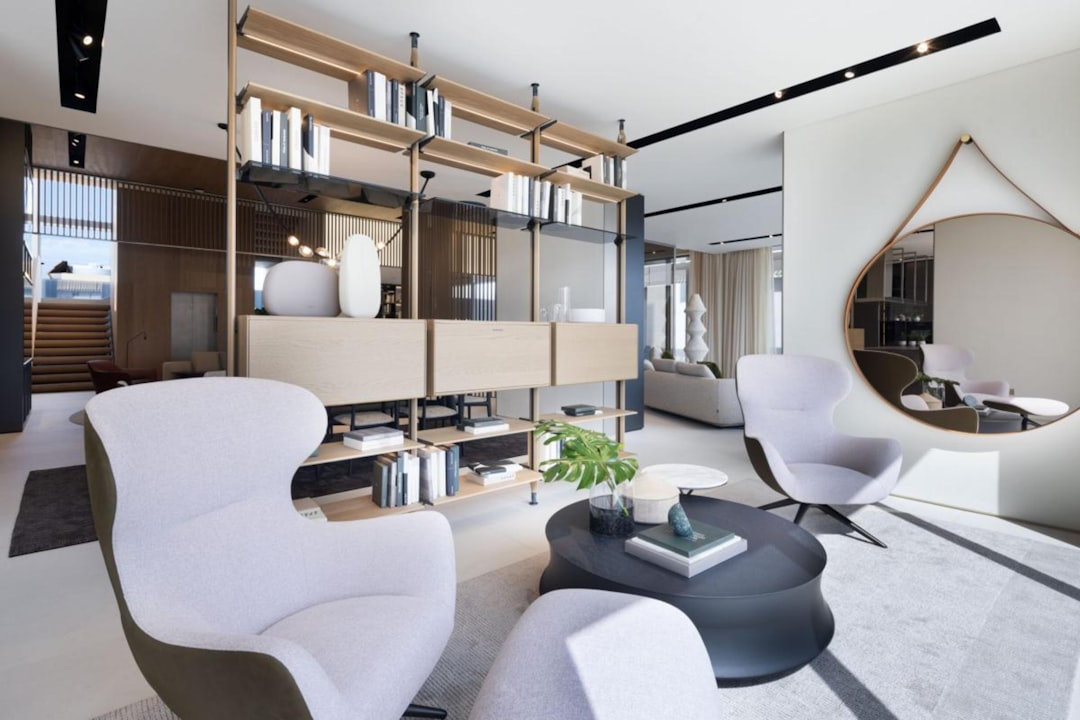
Furniture should highlight how each room functions, not how much can fit inside it. In competitive markets, buyers pay close attention to layout and flow.
Effective staging often involves:
- Removing oversized or unnecessary pieces.
- Positioning furniture to create clear walkways.
- Using area rugs to define separate zones in open-plan homes.
Proper placement can make small rooms feel larger and awkward layouts seem intentional. In vacant homes, rented or borrowed furniture can help buyers understand scale and purpose.
Neutral Color Palettes with Subtle Contrast
Neutral colors appeal to the widest range of buyers and photograph well. Shades of white, beige, gray, and soft greige create a clean backdrop that allows architectural details to stand out.
That said, neutrality does not mean bland. Subtle contrast can be introduced through:
- Textured throw pillows and blankets.
- Accent chairs or artwork in muted tones.
- Natural materials like wood, linen, and stone.
This balance helps convey warmth and sophistication without overwhelming the senses.
Lighting That Enhances Mood and Space
Lighting is one of the most underestimated staging elements, yet it has a powerful effect on perception. Bright, well-lit homes feel more inviting and well maintained.
- Open curtains and blinds to maximize natural light.
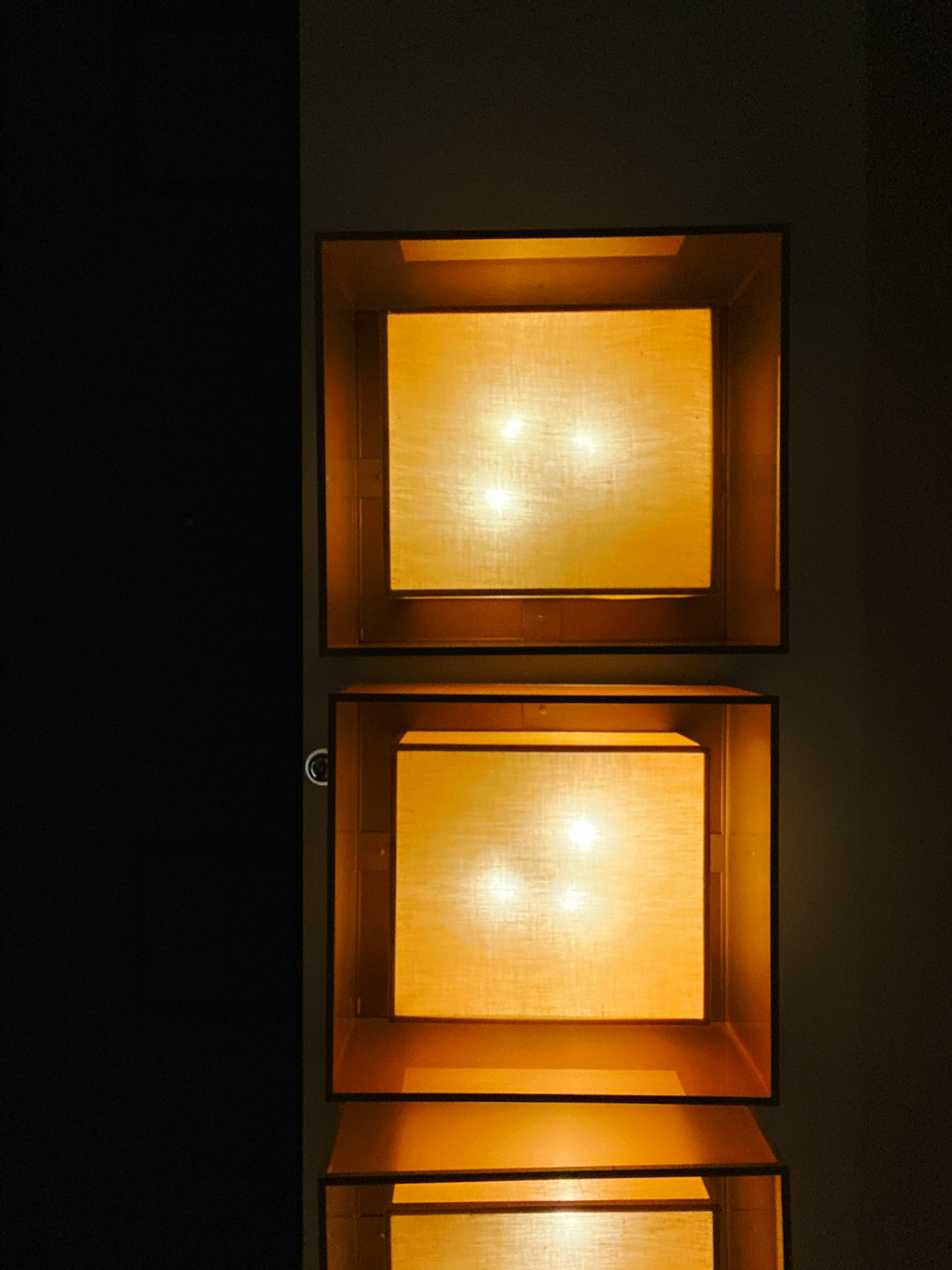
- Replace dim or mismatched bulbs with consistent, warm lighting.
- Add floor or table lamps to eliminate dark corners.
In competitive markets, where showings may happen back-to-back, proper lighting ensures the home looks its best at any time of day.
Kitchen and Bathroom Staging That Signals Value
Kitchens and bathrooms often carry the most weight in buyer decisions. Full renovations are not always necessary, but careful staging can elevate these rooms significantly.
In kitchens:
- Clear countertops except for one or two simple accents.
- Polish appliances and update cabinet hardware if needed.
- Add a bowl of fresh fruit or a small plant for life.
In bathrooms:
- Use fresh, neutral towels and simple accessories.
- Remove all personal toiletries.
- Ensure mirrors and fixtures shine.
These details suggest cleanliness, care, and move-in readiness, all of which can justify stronger offers.
Creating Lifestyle Moments in Key Areas
Effective staging goes beyond furniture and decor by subtly selling a lifestyle. Small vignettes can help buyers imagine everyday moments in the home.
- A cozy reading nook with a chair and lamp.
- A neatly set dining table for entertaining.
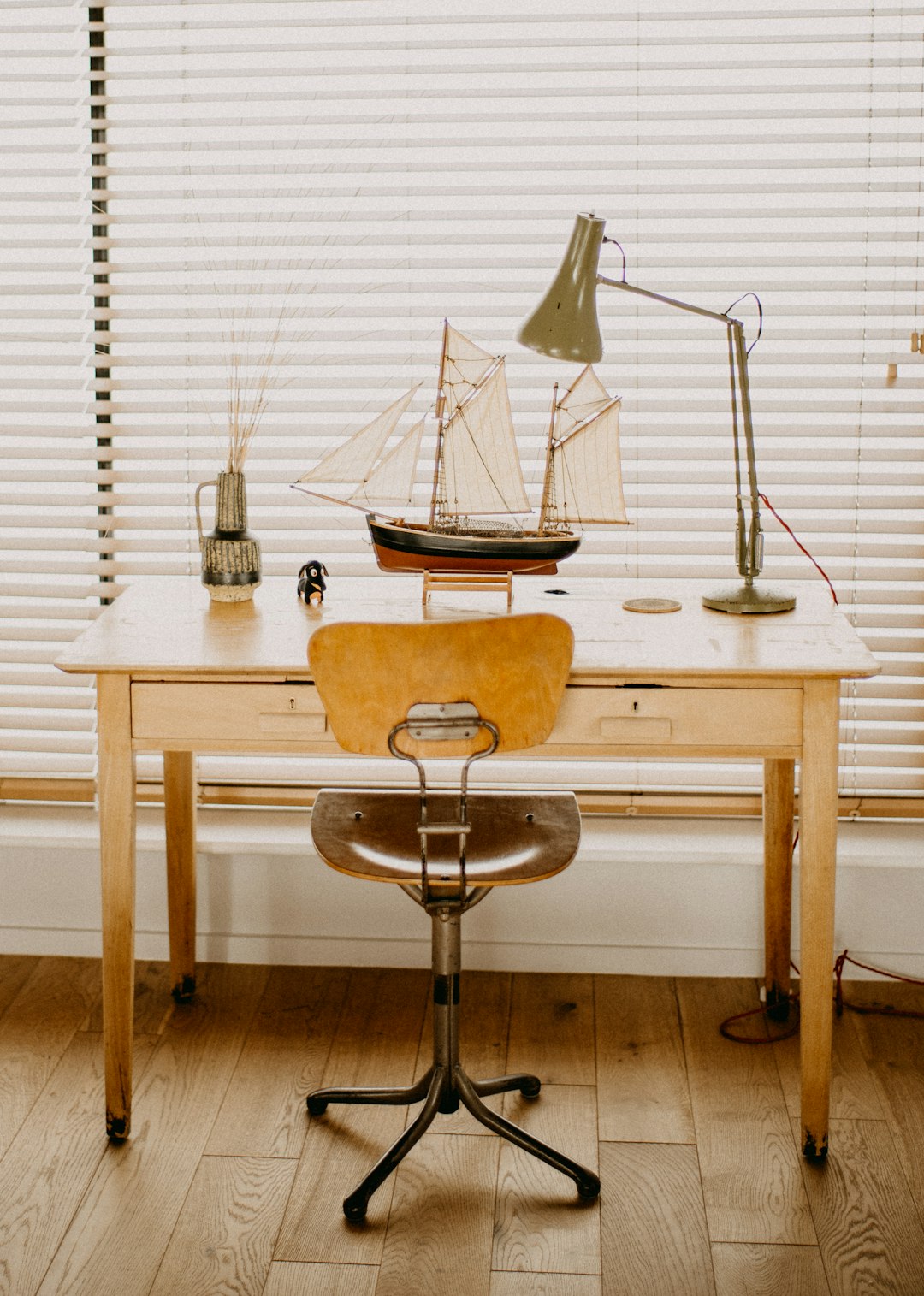
- A styled home office that feels productive and calm.
These scenes resonate emotionally and can differentiate a property from others with similar square footage or features.
Curb Appeal as the First Impression
The exterior sets expectations before buyers step inside. In competitive markets, curb appeal can influence whether a buyer feels excited or hesitant from the start.
- Maintain a tidy lawn and trimmed landscaping.
- Clean walkways, driveways, and exterior windows.
- Add potted plants or a fresh doormat near the entry.
A welcoming exterior signals pride of ownership and prepares buyers for a positive experience indoors.
Professional Staging vs. DIY Approaches
While many sellers opt for do-it-yourself staging, professional stagers bring market knowledge and design expertise. They understand buyer demographics, current trends, and how to highlight a home’s strengths.
Professional staging may be especially valuable when:
- The home is vacant or uniquely laid out.
- The price point is high and expectations are elevated.
- The market is saturated with similar listings.
However, even partial staging consultations can offer actionable guidance that leads to better offers.
FAQ: Home Staging in Competitive Markets
-
Does home staging really increase sale price?
In many cases, staged homes sell faster and closer to, or above, asking price because they create stronger emotional connections and perceived value. -
Is staging worth it for smaller homes or condos?
Yes. In smaller spaces, staging helps demonstrate functionality and prevents rooms from feeling cramped, which is crucial in competitive urban markets. -
How much should be budgeted for home staging?
Costs vary, but many sellers invest 1–3% of the home’s list price. Even modest spending on decluttering, lighting, and accessories can yield strong returns. -
Should staging be updated for different seasons?
Seasonal adjustments, such as lighter fabrics in spring or cozy textures in fall, can enhance appeal, but consistency and neutrality remain key. -
Can staging help with online listings alone?
Absolutely. Well-staged homes photograph better, attract more clicks, and encourage showings, which increases competition among buyers.