

The European stock market can feel like a maze. Different countries. Different currencies. Different rules. Yet investors still want one simple way to follow it all. That’s where the STOXX Europe 600 comes in. And platforms like Fintechzoom.com often break it down for everyday investors in a clear way.
TLDR: The STOXX Europe 600 tracks 600 major companies across 17 European countries. It offers broad exposure to Europe’s economy in one index. Investors can access it through ETFs, which are simple and low-cost. But like all markets, it comes with risks such as economic slowdowns, currency shifts, and geopolitical events.
Let’s make this simple. Fun. And useful.
What Is the STOXX Europe 600?
The STOXX Europe 600 is a stock market index. Think of it as a big basket. Inside are 600 publicly traded companies from across Europe.
It covers:
- Large-cap companies
- Mid-cap companies
- Small-cap companies
These companies come from 17 European countries. That includes:
- Germany
- France
- United Kingdom
- Switzerland
- Netherlands
- Sweden
- And more
This mix makes it very diversified.
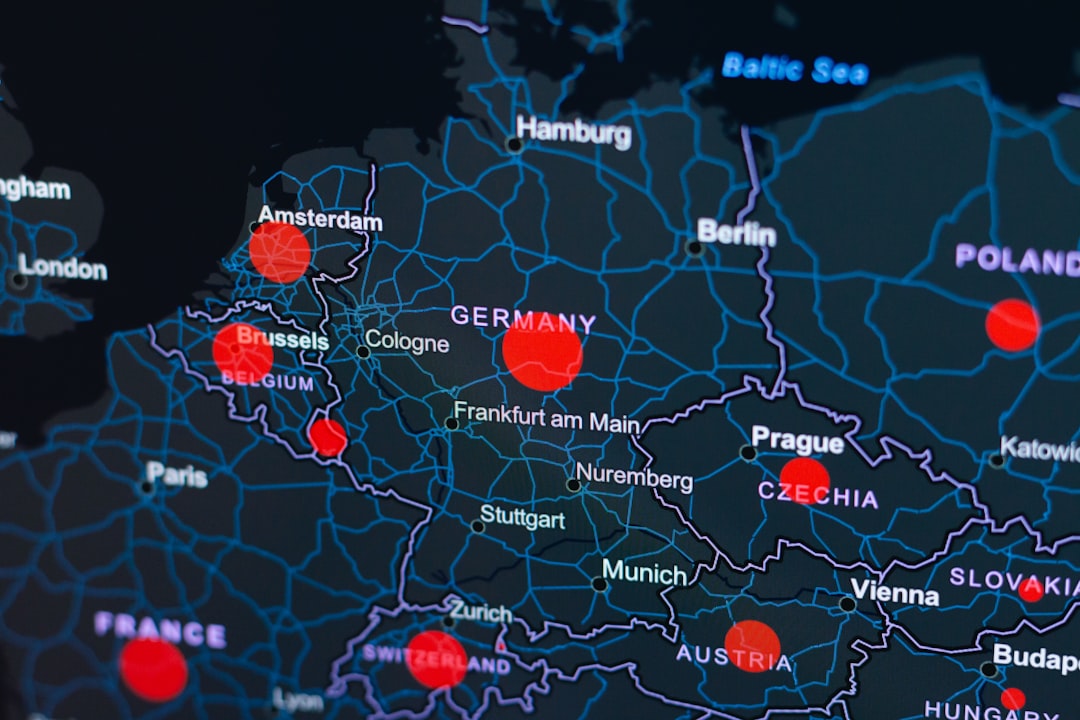
The index is managed by STOXX Ltd. It is widely used by global investors. If you want exposure to Europe without picking individual stocks, this index is a popular choice.
Why Investors Care About It
Simple. Diversification.
Instead of buying shares in just one company, you get exposure to 600.
Instead of betting on one country, you cover most of Europe.
This lowers company-specific risk. If one firm performs badly, others may balance it out.
Other reasons investors like it:
- Broad economic exposure
- Sector variety
- Global brand names
- Strong dividend culture
Many European firms are known for paying steady dividends. That appeals to income investors.
How the STOXX 600 Is Structured
The index is weighted by free-float market capitalization.
That sounds complex. But it is not.
It simply means larger companies have more impact on the index.
For example:
- If a giant company like Nestlé moves, the index moves more.
- If a smaller regional firm moves, the impact is smaller.
The index is reviewed quarterly. Companies can be added or removed. This keeps it current.
Top Sectors in the STOXX 600
The index includes many sectors. Here are the most important ones:
- Financials – Banks and insurance companies
- Healthcare – Pharma giants and biotech firms
- Industrials – Manufacturing and engineering
- Consumer goods – Luxury brands and food companies
- Technology – European tech leaders
- Energy – Oil and renewable energy firms
This mix means you are not dependent on just one industry.
Recent Trends Shaping the STOXX 600
Let’s talk trends. Markets move based on big forces. Here are the ones shaping Europe right now.
1. Inflation and Interest Rates
Rising inflation pushed the European Central Bank to raise rates.
Higher rates can slow growth. But they also help banks earn more.
2. Energy Transition
Europe leads in renewable energy.
Green energy investments are rising fast.
This benefits renewable companies in the index.
3. Geopolitical Tensions
War in Ukraine impacted markets.
Energy prices spiked. Supply chains shifted.
European companies had to adapt quickly.
4. Tech Catch-Up
Europe does not have as many tech giants as the US.
But it is growing in semiconductors and fintech.
5. Currency Movements
The euro’s value vs the dollar matters.
If the dollar strengthens, US investors may see different returns.
Risks You Should Know
No investment is risk-free. The STOXX 600 is no exception.
Market Risk
If European markets fall, the index falls.
Currency Risk
If you invest from outside Europe, currency exchange rates matter.
Political Risk
European Union regulations can be complex.
Policy changes affect businesses.
Economic Slowdown
If Europe enters recession, corporate profits drop.
Sector Concentration
Financial and industrial stocks have strong weight.
If those sectors struggle, performance suffers.
Understanding risk is smart investing.
How to Invest in the STOXX 600
You cannot directly buy an index.
But you can buy an ETF.
An ETF is an Exchange Traded Fund. It trades like a stock. It tracks an index.
Here are popular STOXX 600 ETFs:
| ETF Name | Ticker | Domicile | Dividend Type | Expense Ratio (Approx.) |
|---|---|---|---|---|
| iShares STOXX Europe 600 | SXRV or EXSA | Ireland | Distributing | 0.20% |
| Vanguard FTSE Developed Europe ETF | VEA | USA | Distributing | 0.05% |
| Lyxor STOXX Europe 600 ETF | MEUD | France | Accumulating | 0.07%–0.20% |
Distributing means dividends are paid out.
Accumulating means dividends are reinvested automatically.
Pick what fits your goal.
Benefits of Using ETFs
Why ETFs?
- Low fees
- Instant diversification
- Easy to trade
- Transparent holdings
- Accessible to beginners
You can buy them through most online brokers.
You do not need a large amount of money.
STOXX 600 vs Other Major Indices
How does it compare?
- S&P 500 – Focused only on the United States.
- FTSE 100 – Only large UK companies.
- DAX 40 – Germany’s top companies.
The STOXX 600 is broader than all of these.
It spreads risk across countries.
It gives investors a continental view.
Is It Good for Long-Term Investing?
For many investors, yes.
Reasons it can work long term:
- Europe has stable economies.
- Many global brands are based there.
- Dividend yields are often attractive.
- Diversification reduces single-country risk.
But growth may not always match US tech-heavy indices.
Europe is more traditional. More industrial. Less aggressive in tech.
Who Should Consider It?
The STOXX 600 may suit:
- Long-term investors
- Dividend seekers
- Those wanting geographic diversification
- Investors reducing US-only exposure
It may not suit:
- Short-term traders seeking high volatility
- Investors focused only on high-growth tech
Smart Strategy Tips
Here are a few simple tips:
- Think long term.
- Reinvest dividends if possible.
- Balance with US or emerging markets.
- Watch currency exposure.
- Keep fees low.
Simple beats complicated.
Final Thoughts
The STOXX Europe 600 is like a window into Europe’s economy.
It includes luxury brands. Banks. Drug makers. Energy firms. Industrial leaders.
It spreads risk across borders.
It offers dividends.
It provides stability with moderate growth.
But it is not magic.
Markets rise and fall.
Europe faces political and economic challenges.
Still, for many investors, it plays a powerful role in a balanced portfolio.
And thanks to ETFs, accessing it is easier than ever.
Invest smart. Stay diversified. And always understand what you own.