


In an era defined by rapid technological advancement and shifting workforce demands, education systems are being challenged to produce not only knowledgeable graduates but capable practitioners. The traditional divide between theory and application has left many learners struggling to translate academic success into professional competence. Duaction—a blended approach that intentionally integrates academic theory with structured real-world practice—has emerged as a powerful framework for bridging this gap. By aligning conceptual understanding with contextual experience, Duaction redefines how individuals learn, adapt, and contribute in complex environments.
TLDR: Duaction is an educational framework that directly integrates theoretical learning with practical real-world application. It addresses the long-standing gap between academic knowledge and job-ready skills by combining structured instruction with hands-on experience. This model enhances retention, critical thinking, and professional competence. As industries evolve, Duaction offers a sustainable path to preparing capable, adaptable graduates.
For decades, institutions have excelled at delivering structured knowledge through lectures, textbooks, and examinations. While this approach builds foundational understanding, it often falls short in developing applied skills. Graduates may grasp sophisticated theories yet lack the experience to navigate ambiguity, collaborate under pressure, or solve unpredictable real-world problems. Employers, in turn, report skill mismatches despite high levels of formal education. The issue is not the absence of theory, but the absence of integrated application.
Duaction responds to this challenge by embedding experiential components directly within academic frameworks. Rather than treating internships, simulations, or industry exposure as supplemental activities, Duaction positions them as core elements of learning design. It acknowledges that knowledge becomes meaningful when applied, tested, and refined through practice.
The Theoretical Foundation Behind Duaction
At its core, Duaction draws upon established principles in cognitive psychology and experiential learning theory. Research consistently demonstrates that active engagement strengthens memory retention and conceptual clarity. When learners apply knowledge in authentic contexts, they build neural pathways that reinforce understanding and improve recall.
Key theoretical pillars include:
- Experiential Learning: Knowledge is constructed through experience and reflection.
- Contextual Learning: Concepts are better understood when taught in settings that mirror their practical use.
- Reflective Practice: Critical reflection transforms experience into genuine learning.
- Constructivism: Learners actively construct meaning rather than passively absorb information.
By synthesizing these principles, Duaction creates structured environments where students engage in meaningful activity alongside theoretical study. Reflection becomes an essential component, ensuring that experience does not remain superficial but develops into insight.
How Duaction Functions in Practice
Duaction is not a single methodology but a strategic framework adaptable across disciplines. Its implementation typically includes parallel streams of theoretical instruction and applied engagement that continuously inform one another.
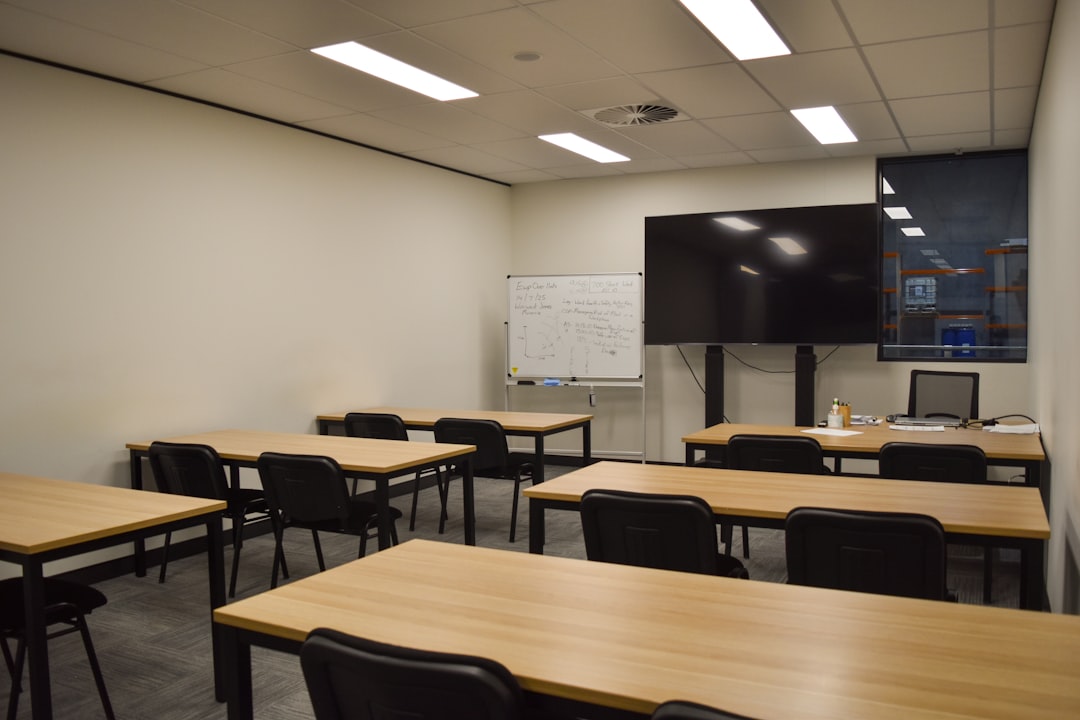
In higher education, for example, engineering students might study systems theory while simultaneously participating in industry-sponsored design projects. Business students may analyze case studies while working with startups to develop real strategies. Healthcare trainees often alternate between classroom modules and supervised clinical experience.
The distinguishing features of effective Duaction models include:
- Structured Integration: Practical experiences are intentionally aligned with specific learning objectives.
- Mentored Application: Professionals guide learners to ensure correct and ethical practice.
- Continuous Feedback: Frequent evaluation supports growth and accountability.
- Guided Reflection: Learners analyze both successes and failures to deepen understanding.
This integrated system fosters competence rather than mere familiarity. Learners do not simply observe professional environments; they become active participants within them.
Benefits for Learners
One of the most compelling advantages of Duaction is its impact on learner development. When theory and practice coexist, individuals gain more than technical skill—they develop professional identity and confidence.
Primary benefits include:
- Improved Knowledge Retention: Application reinforces theoretical frameworks.
- Enhanced Critical Thinking: Real scenarios demand adaptable reasoning.
- Greater Employability: Graduates possess demonstrable experience.
- Stronger Motivation: Learning feels relevant and purposeful.
- Reduced Transition Shock: Entry into the workforce becomes smoother.
Students frequently report higher engagement when they see the direct relevance of their studies. Abstract theories become tangible tools. Problem-solving transforms from a classroom exercise into a professional responsibility.
Benefits for Institutions and Industry
Duaction also creates value for educational institutions and the industries they serve. The alignment of academic curricula with practical realities ensures that programs remain current and responsive.
Image not found in postmetaFor institutions, Duaction strengthens program credibility and graduate outcomes. Partnerships with industry enhance research opportunities and funding prospects. Performance data from real-world placements can also inform curriculum improvement.
For employers, Duaction creates a pipeline of better-prepared candidates. Organizations benefit from early access to emerging talent while contributing to workforce development. This mutually beneficial ecosystem encourages innovation and reduces hiring risks.
Moreover, industries operating in rapidly evolving fields—such as technology, renewable energy, and healthcare—require adaptable professionals. Duaction’s integrated exposure allows learners to understand not only established best practices but also emerging challenges.
Addressing Common Concerns
Despite its advantages, implementing Duaction is not without challenges. Critics often cite logistical complexity, resource demands, and quality assurance concerns. Without careful design, practical components can become inconsistent or disconnected from theoretical frameworks.
To mitigate these risks, successful Duaction programs typically include:
- Clear Learning Outcomes: Both academic and practical components align with measurable goals.
- Formalized Partnerships: Agreements ensure commitment from industry collaborators.
- Trained Mentors: Supervisors are prepared to guide and evaluate learners effectively.
- Assessment Integration: Practical performance contributes meaningfully to academic evaluation.
Quality control remains paramount. The integrity of the model depends on maintaining rigorous standards across both educational and professional domains.
Duaction Across Disciplines
While commonly associated with technical and vocational fields, Duaction is equally relevant in disciplines traditionally considered theoretical. In law, students may engage in supervised legal clinics. In social sciences, field research complements methodological coursework. In the arts, studio practice and public exhibitions reinforce conceptual study.

This cross-disciplinary adaptability underscores Duaction’s broader significance: it is not about replacing theory with practice, but about ensuring their continuous interaction. Even philosophy or mathematics benefits when abstract reasoning is connected to ethical debates, technological innovation, or economic modeling.
The Role of Reflection in Duaction
A distinguishing feature of Duaction is its emphasis on structured reflection. Experience alone does not guarantee learning. Individuals may repeat ineffective behaviors unless guided to critically assess outcomes.
Reflection within Duaction often involves:
- Journaling to document practical experiences.
- Mentor-led discussions analyzing challenges.
- Portfolio development demonstrating skill progression.
- Formal presentations connecting experience to theory.
This reflective cycle transforms isolated activities into integrated growth. Learners connect practical observations with theoretical constructs, strengthening both.
Preparing for an Uncertain Future
The contemporary workforce is characterized by volatility, automation, and global interdependence. Static knowledge quickly becomes obsolete. As such, the true value of education lies not merely in information acquisition but in adaptive capability.
Duaction cultivates this adaptability by immersing learners in authentic environments where complexity is unavoidable. They encounter ethical dilemmas, resource constraints, interpersonal dynamics, and evolving technologies. Through structured support, they learn to navigate ambiguity rather than avoid it.
This capacity for adaptive problem-solving distinguishes confident professionals from technically informed novices.
Strategic Implementation Framework
For institutions considering adoption, a staged implementation approach is advisable:
- Needs Assessment: Identify skill gaps between graduates and industry expectations.
- Curriculum Mapping: Align academic objectives with practical components.
- Partnership Development: Establish reliable collaborations with professional entities.
- Pilot Programs: Test integration in selected departments before broader rollout.
- Evaluation and Refinement: Gather data to continuously improve structure and outcomes.
This deliberate progression ensures sustainability and maintains educational rigor.
Conclusion
Duaction represents more than a pedagogical trend; it reflects a necessary evolution in how societies prepare individuals for meaningful contribution. The longstanding separation of theory and practice has limited the transformative power of education. By intentionally merging conceptual rigor with experiential depth, Duaction cultivates learners who are informed, capable, and adaptable.
Institutions that adopt this framework demonstrate a commitment not only to academic excellence but to societal relevance. Industries that collaborate in its implementation invest directly in future competence. And learners who engage in Duaction gain more than credentials—they gain confidence grounded in experience.
In an increasingly complex world, education must move beyond the transmission of knowledge toward the formation of capability. Duaction offers a structured, credible, and forward-looking pathway to achieving that objective.