
Running a successful dental practice requires more than clinical expertise. Behind every smooth patient visit is a complex system of scheduling, billing, insurance coordination, reporting, and communication. Dental practice management tools like Dentrix have transformed how practices operate by bringing these essential functions into one integrated digital environment. From front desk scheduling to backend financial reporting, modern dental software helps practices become more efficient, profitable, and patient-focused.
TLDR: Dental practice management tools like Dentrix streamline scheduling, billing, insurance processing, and reporting into one centralized system. They reduce administrative errors, improve productivity, and enhance patient communication. By automating routine tasks and offering real-time insights, these platforms help practices grow while delivering a better patient experience. Choosing the right system can significantly impact both operational efficiency and revenue.
The Evolution of Dental Practice Management Software
In the past, dental offices relied heavily on paper charts, manual appointment books, and handwritten ledgers. This approach was time-consuming and prone to human error. The introduction of digital management platforms marked a turning point for the industry.
Systems like Dentrix emerged as comprehensive solutions designed specifically for dental practices. Unlike general medical software, dental-focused platforms include specialized features such as tooth charts, periodontal charting, treatment planning modules, and insurance coding tailored to dental procedures.
Today’s leading systems typically offer:
- Appointment scheduling tools
- Integrated billing and accounting features
- Insurance claim management
- Electronic health records (EHR)
- Patient communication tools
- Analytics and reporting dashboards
This integration eliminates the need for multiple disconnected systems and significantly reduces administrative overhead.
Smart Scheduling: The Backbone of Productivity
One of the most critical features of any dental management platform is its scheduling system. An optimized schedule directly impacts production, staffing efficiency, and patient satisfaction.
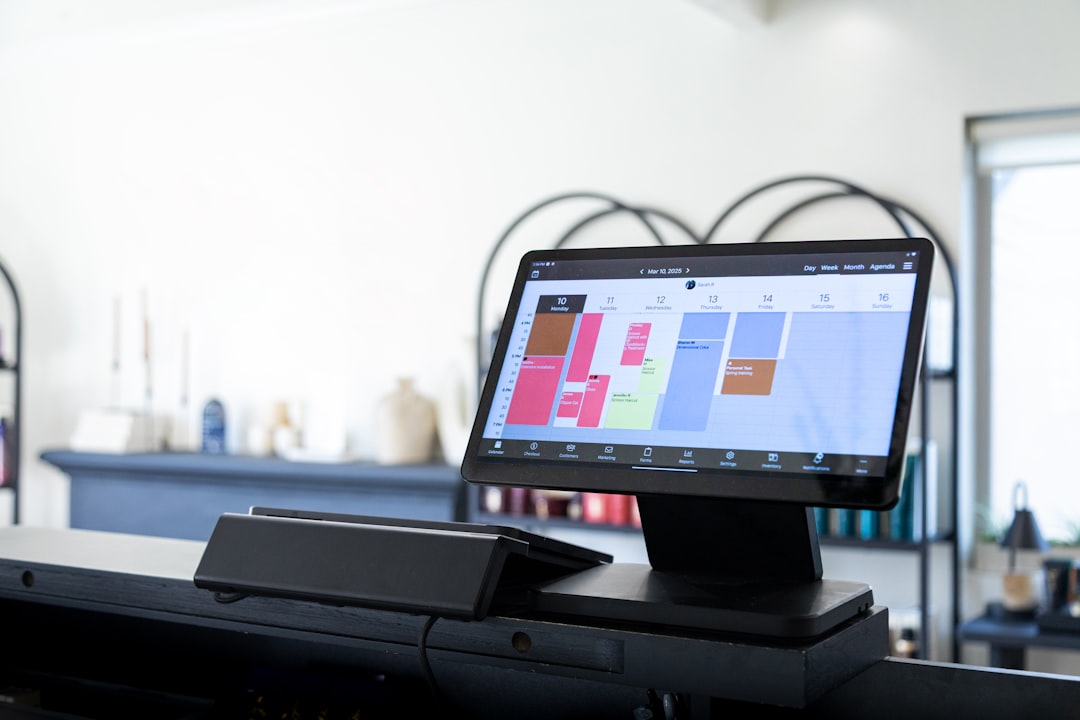
Advanced scheduling modules allow staff to:
- View multiple provider schedules simultaneously
- Color-code appointment types
- Block out time for specific procedures
- Automate appointment reminders via email or SMS
- Track cancellations and no-shows
By offering a real-time view of the practice calendar, tools like Dentrix help prevent double-bookings and underutilized chair time. Automated reminders reduce no-show rates, which directly impacts revenue. Some systems even incorporate predictive analytics to identify the best times to schedule high-value procedures.
Efficiency at the schedule level sets the tone for the entire practice.
Streamlined Billing and Revenue Cycle Management
Billing in dentistry can be uniquely complex. Practices must account for patient payments, insurance reimbursement, co-pays, deductibles, and payment plans. Without an organized system, financial management quickly becomes overwhelming.
Practice management software simplifies billing by:
- Automatically generating statements
- Tracking outstanding balances
- Processing credit card payments
- Creating customized payment plans
- Integrating with accounting software
More importantly, these systems centralize financial data in one dashboard, giving practice owners clear visibility into revenue flow. You can quickly review daily production, collections, adjustments, and aging reports.
With fewer manual entries, the risk of errors decreases. This accuracy not only protects revenue but also strengthens patient trust when billing questions arise.
Insurance Claims Made Easier
Insurance verification and claims processing are among the most time-intensive front office tasks. Managing pre-authorizations, claim submissions, and denials manually can consume countless staff hours.
Modern dental software automates much of this process by:
- Submitting claims electronically
- Attaching digital x-rays and documentation
- Tracking claim status in real time
- Flagging denied or delayed claims
- Verifying patient benefits before appointments
Electronic claims are processed faster than paper submissions, accelerating reimbursements and improving cash flow. Additionally, built-in insurance breakdown tools help staff provide patients with more accurate cost estimates beforehand, reducing confusion and disputes later.
Electronic Health Records and Clinical Integration
Integration between administrative and clinical systems is one of the biggest advantages of platforms like Dentrix. Dentists and hygienists can chart procedures, update treatment notes, and access imaging within the same ecosystem used for scheduling and billing.
This integration provides several benefits:
- Reduced duplication of data entry
- Improved accuracy of treatment records
- Faster case planning and presentation
- Better coordination between clinical and front office teams
When treatment plans are entered into the system, front desk staff can instantly generate cost estimates and payment options. The seamless connection between clinical documentation and financial processing greatly enhances workflow efficiency.
Reporting and Analytics for Smarter Decisions
Beyond daily operations, dental practice management tools also serve as powerful business intelligence platforms.
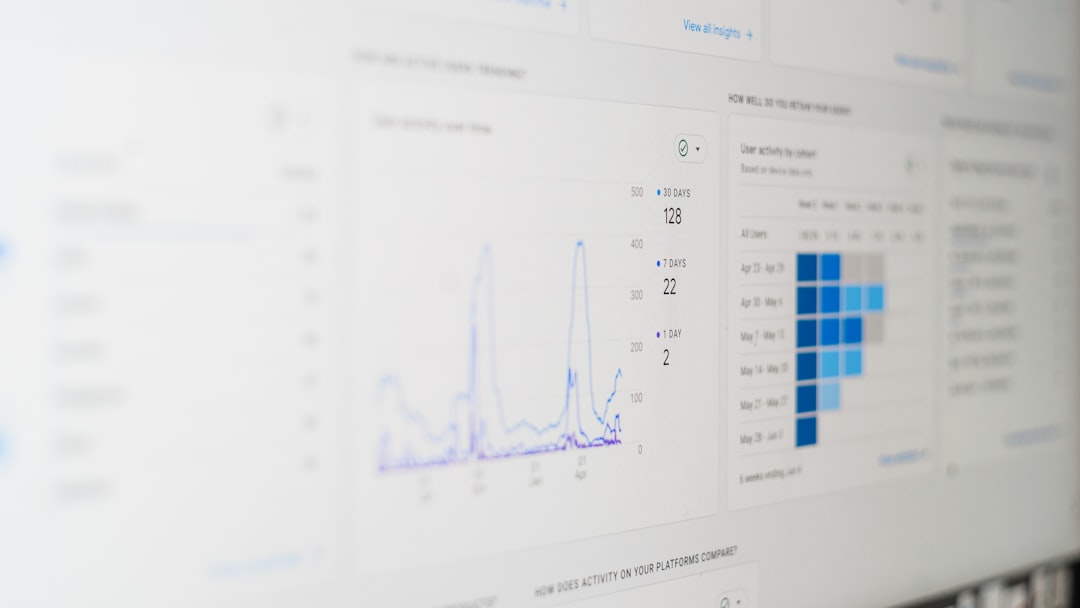
Comprehensive reporting features allow practice owners to monitor:
- Production per provider
- Collection rates
- Case acceptance percentages
- New patient numbers
- Recall effectiveness

These insights help identify trends and areas for improvement. For example, if recall rates are low, the practice might enhance patient reminder campaigns. If production is high but collections are lagging, billing procedures may need adjustment.
Data-driven decisions lead to sustainable growth.
Enhancing the Patient Experience
Today’s patients expect convenience, transparency, and digital communication. Practice management tools support these expectations by offering patient-focused features such as:
- Online appointment booking
- Digital intake forms
- Automated reminders
- Text messaging capabilities
- Patient portals for billing and records
Online forms reduce waiting room paperwork. Digital reminders minimize missed appointments. Secure portals allow patients to review balances and make payments at their convenience.
When administrative processes feel effortless, patients are more likely to return and recommend the practice to others.
Improving Team Collaboration
Dental practices rely on coordinated teamwork among dentists, hygienists, assistants, and administrative staff. A centralized management system enhances communication by ensuring everyone has access to the same up-to-date information.
For example:
- Clinical notes update in real time.
- Scheduling changes are visible instantly.
- Financial arrangements are clearly documented.
- Alerts notify staff of outstanding tasks.
This shared visibility reduces misunderstandings and prevents costly miscommunications. Instead of relying on sticky notes or verbal updates, teams can trust a unified digital record.
Security and Compliance Considerations
Handling patient health information requires strict adherence to privacy and security regulations. Modern practice management software includes robust compliance features such as:
- Encrypted data storage
- User access controls
- Audit trails
- Automatic data backups
Role-based permissions ensure that team members only access information relevant to their responsibilities. Automatic backups protect against data loss due to hardware failures or cyber incidents.
Maintaining compliance not only avoids legal risks but also strengthens patient confidence in the practice.
Cloud-Based vs. On-Premise Solutions
As technology evolves, many dental practices are considering whether to use cloud-based systems or traditional on-premise installations.
On-premise systems store data locally on office servers. They provide full control over hardware but require regular maintenance and IT support.
Cloud-based platforms, by contrast, allow access from virtually any internet-connected device. Benefits include:
- Reduced upfront hardware costs
- Automatic software updates
- Remote access capabilities
- Enhanced scalability
For multi-location practices, cloud systems can be particularly advantageous because they unify operations across sites.
Choosing the Right Practice Management Tool
While Dentrix is a widely recognized option, practices should carefully evaluate their specific needs before selecting a system.
Key considerations include:
- Practice size and growth plans
- Budget constraints
- Integration with imaging equipment
- Ease of staff training
- Customer support quality
Conducting demonstrations, requesting trial periods, and seeking peer feedback can help ensure the chosen solution aligns with operational goals.
The Long-Term Impact on Practice Growth
Investing in a comprehensive dental practice management system is not merely a technological upgrade—it is a strategic business decision. By improving scheduling efficiency, accelerating billing processes, optimizing insurance claims, and providing actionable analytics, these tools directly influence profitability.
More importantly, they free dental professionals to focus on what matters most: delivering high-quality patient care. When administrative burdens decrease, clinicians can dedicate more time to treatment and patient relationships.
In an increasingly competitive dental landscape, operational excellence is just as important as clinical skill. Tools like Dentrix empower practices to operate with precision, transparency, and agility. For many modern dental offices, practice management software is no longer a luxury—it is the foundation of sustainable success.