

Video has become the dominant form of communication across digital platforms, and content creators are responding with increasingly sophisticated production workflows. From solo YouTubers and TikTok influencers to corporate marketing teams and independent educators, today’s creators rely on a carefully selected stack of video tools to stay competitive. These tools are not just about flashy effects; they are about efficiency, scalability, analytics, and professional-grade output. The following overview examines the video tools that serious content creators are actively using right now—and why they matter.
TLDR: Content creators today use a streamlined collection of editing, AI-powered enhancement, analytics, and collaboration tools to produce high-quality video at scale. Short-form platforms are driving demand for fast editing and automatic captioning, while long-form creators prioritize color grading, audio clarity, and workflow integration. AI tools are reshaping scripting, editing, and post-production, but professional-grade software remains foundational. The most successful creators combine speed, quality, and strategic insight.
Professional Video Editing Software Remains the Foundation
Despite the emergence of countless mobile apps and browser-based editors, established desktop editing software continues to dominate serious video production. Professional creators prioritize control, reliability, and advanced features.
- Adobe Premiere Pro – Widely used for its flexibility and integration with other creative applications. It handles long-form YouTube videos, branded content, and advanced multi-camera editing workflows.
- Final Cut Pro – Favored by many Mac-based creators for speed, magnetic timeline efficiency, and high optimization for Apple hardware.
- DaVinci Resolve – Known for industry-leading color grading and increasingly powerful all-in-one editing capabilities, including audio post-production.
Creators prefer these tools because they offer precise timeline control, layered effects, robust export settings, and compatibility with third-party plugins. For creators producing monetized content or client-based work, these features are not optional—they are essential.

AI-Powered Editing Tools Are Accelerating Production
Artificial intelligence has reshaped the video creation process over the past two years. Instead of replacing editors, AI tools are streamlining repetitive tasks and accelerating turnaround times.
Key capabilities currently in use include:
- Automatic transcription and captioning – Instant subtitles for accessibility and social media engagement.
- Silence removal – Automated trimming of pauses in talking-head content.
- Auto reframing – Converting horizontal videos into vertical formats for platforms like TikTok and Instagram Reels.
- Script-based editing – Editing videos by modifying text transcripts instead of manually cutting footage.
Tools like Descript and similar AI-driven platforms have become especially popular among podcast creators and educators. They allow creators to cut, rearrange, and refine videos rapidly by editing text. This reduces labor intensity and enables creators to focus more on storytelling rather than technical manipulation.
Additionally, AI upscaling, background removal, and noise reduction features are improving production value without requiring complex manual workflows.
Mobile-First Editing Apps Dominate Short-Form Content
Short-form content continues to grow across TikTok, Instagram Reels, and YouTube Shorts. Many successful creators no longer depend entirely on desktop workflows. Instead, they combine professional tools with mobile-optimized solutions.
Popular mobile editing apps offer:
- Pre-built templates for trending styles.
- Built-in transitions and effects optimized for vertical video.
- Music library integration for quick trend participation.
- Fast rendering and social sharing features.
Speed is critical in this space. Trends change daily, sometimes hourly. Mobile tools allow creators to ideate, clip, caption, and publish within minutes. While these apps may not offer the depth of professional editors, they excel where velocity matters most.

Audio Enhancement Tools Are Now Considered Essential
Modern audiences immediately notice poor audio quality. As a result, creators increasingly invest in tools that refine voice clarity and reduce background noise.
High-performing creators are commonly using:
- AI noise reduction software to eliminate hums and ambient sounds.
- Standalone audio editors for equalization and mastering.
- Voice enhancement plugins for leveling inconsistent dialogue.
Clean audio contributes significantly to audience retention. Even visually impressive videos can lose viewers quickly if voices are difficult to hear. Professional creators treat audio as a core production element rather than an afterthought.
Stock Resource Platforms Supplement Production
Not every video can be shot from scratch. To maintain output frequency, creators rely on stock footage, music libraries, motion graphics templates, and sound effects archives.
These resources help to:
- Fill narrative gaps with relevant B-roll.
- Elevate production value without costly equipment.
- Enhance storytelling through cinematic music tracks.
- Speed up editing using prebuilt motion graphics.
Professional creators carefully select licensed resources to avoid copyright issues. Licensing compliance is increasingly important as platforms enforce automated content detection.
Analytics and Optimization Tools Shape Creative Decisions
What separates hobbyists from strategic creators is data-driven iteration. Video analytics tools are used to evaluate retention rates, engagement metrics, and click-through performance.
Creators are actively leveraging:
- Platform-native analytics dashboards for performance insights.
- Thumbnail testing tools to compare visual elements.
- Audience retention graphs to identify drop-off points.
- Keyword research platforms to guide topic selection.
This analytical approach transforms video production into a measurable growth process. Instead of guessing what works, creators systematically refine scripts, pacing, thumbnails, and video length.
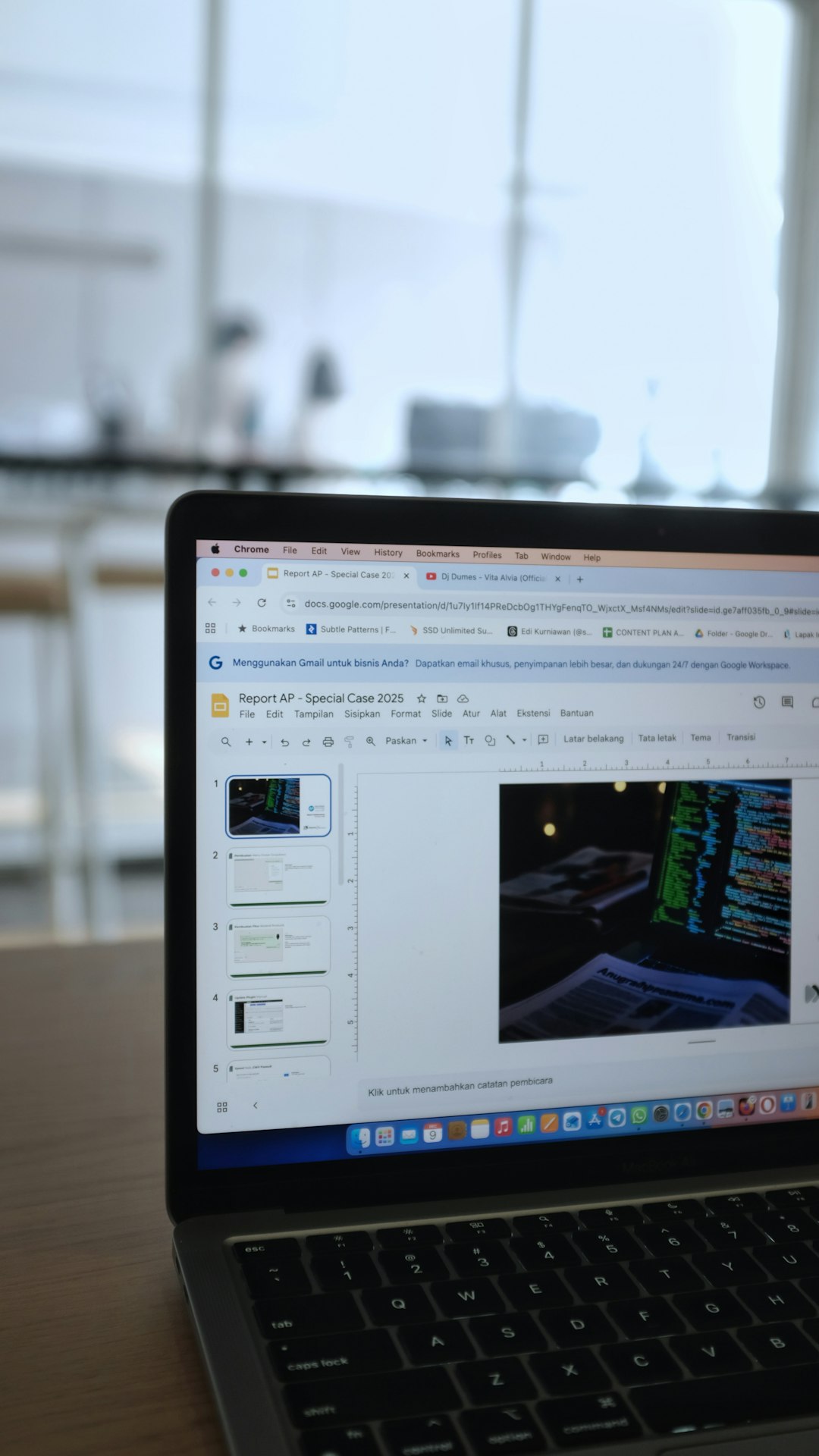
Cloud Collaboration Tools Enable Team-Based Production
As creators scale, many move beyond solo workflows. Video editors, scriptwriters, designers, and marketing specialists often collaborate remotely.
Cloud-based tools help teams:
- Share large video files securely.
- Collect timestamped revision feedback.
- Maintain version control.
- Streamline approval processes.
This shift toward distributed production reflects the professionalization of online content creation. For high-output YouTube channels and brand-backed influencers, structured collaboration is essential for consistency and audience growth.
Live Streaming Software Expands Creator Revenue Streams
Live streaming remains a strong revenue channel across gaming, education, and interactive entertainment. Serious creators depend on dedicated broadcast software rather than basic platform-native tools.
Robust broadcasting tools typically provide:
- Scene switching and overlays.
- Real-time audio mixing.
- Multi-platform streaming.
- Integrated donation and alert systems.
Live interaction deepens audience loyalty. When supported by professional streaming workflows, creators can maintain visual polish while interacting dynamically with viewers.
AI Scriptwriting and Idea Generation Tools Are Influencing Pre-Production
The production process begins long before editing. Increasingly, creators use AI-driven writing tools to draft outlines, generate hooks, and refine scripts. While experienced creators maintain editorial control, AI assistance can reduce blank-page fatigue and accelerate ideation.
These tools assist with:
- Headline and hook optimization.
- Content outline structuring.
- Research summarization.
- Topic expansion.
Efficiency during pre-production leads to smoother shooting sessions and tighter edits. Clear scripts minimize retakes and reduce post-production work.
Color Grading and Visual Identity Tools Build Brand Consistency
As competition increases, strong visual identity differentiates creators. Consistent color grading presets, motion graphics styles, and branded overlays create recognizable experiences.
Advanced tools allow creators to:
- Design reusable intro sequences.
- Apply LUTs for consistent coloring.
- Integrate motion branding elements.
- Standardize typography across videos.
Brand consistency increases professionalism and helps build long-term audience loyalty. Even subtle visual uniformity contributes to stronger recall and trust.
The Strategic Combination Matters More Than Any Single Tool
What defines successful creators today is not the use of one breakthrough tool, but the intelligent combination of multiple systems. Efficient workflows often follow this path:
- Research and scripting using AI-assisted drafting tools.
- Primary recording with quality cameras and microphones.
- Core editing in professional-grade software.
- AI acceleration for captions and silence trimming.
- Thumbnail design and optimization based on analytics.
- Performance evaluation to refine future content.
This integrated cycle allows creators to produce consistently high-quality content while responding quickly to trends and audience preferences.
Conclusion
Content creators today operate with a blend of reliability and innovation. Traditional professional editing software remains central, but AI-driven enhancements and cloud-based workflows are shaping a faster, more scalable environment. Short-form production tools coexist with long-form cinematic software. Analytics platforms transform creativity into measurable growth strategy.
Ultimately, the most effective creators treat video production not as spontaneous output, but as a disciplined, optimized process. They leverage the right tools not to replace creativity, but to amplify it. As technology continues to evolve, those who thoughtfully integrate emerging tools into a structured workflow will maintain a decisive advantage in the increasingly competitive video landscape.