


The modern professional environment demands systems that can balance speed, clarity, and creativity. The Cadibara System has emerged as a structured productivity and innovation framework designed to help individuals and teams organize complex work, generate ideas efficiently, and execute consistently. Rather than focusing on motivation alone, it emphasizes repeatable structures, visual thinking, and iterative refinement.
TLDR: The Cadibara System is a structured productivity and innovation framework that combines clear workflows, creative thinking tools, and disciplined execution. It helps individuals and teams move from ideas to results without losing flexibility or focus. By blending planning, visualization, and feedback loops, the system supports sustainable productivity rather than short-term bursts. It is best suited for knowledge workers, creative teams, and organizations navigating complex projects.
Understanding the Core Philosophy
At its foundation, the Cadibara System is built on the idea that productivity and innovation are not opposing forces. Traditional productivity methods often prioritize efficiency at the expense of exploration, while innovation frameworks may generate ideas without ensuring follow-through. The Cadibara System intentionally combines both.
The philosophy rests on three principles:
- Structure enables creativity by reducing cognitive overload.
- Visibility improves decision making through clear representations of work.
- Iteration drives excellence by allowing ideas and outputs to evolve.
Rather than rigid rules, the system provides modular components that can be adapted to different contexts, from solo professionals to cross-functional teams.
The Cadibara Workflow Model
The Cadibara workflow is typically divided into four interconnected phases. Each phase has specific tools and rituals designed to move work forward while maintaining clarity.
- Capture: Collect tasks, ideas, and problems without judgment.
- Clarify: Define intent, constraints, and desired outcomes.
- Create: Explore solutions, generate options, and prototype.
- Commit: Select actions, schedule execution, and track progress.
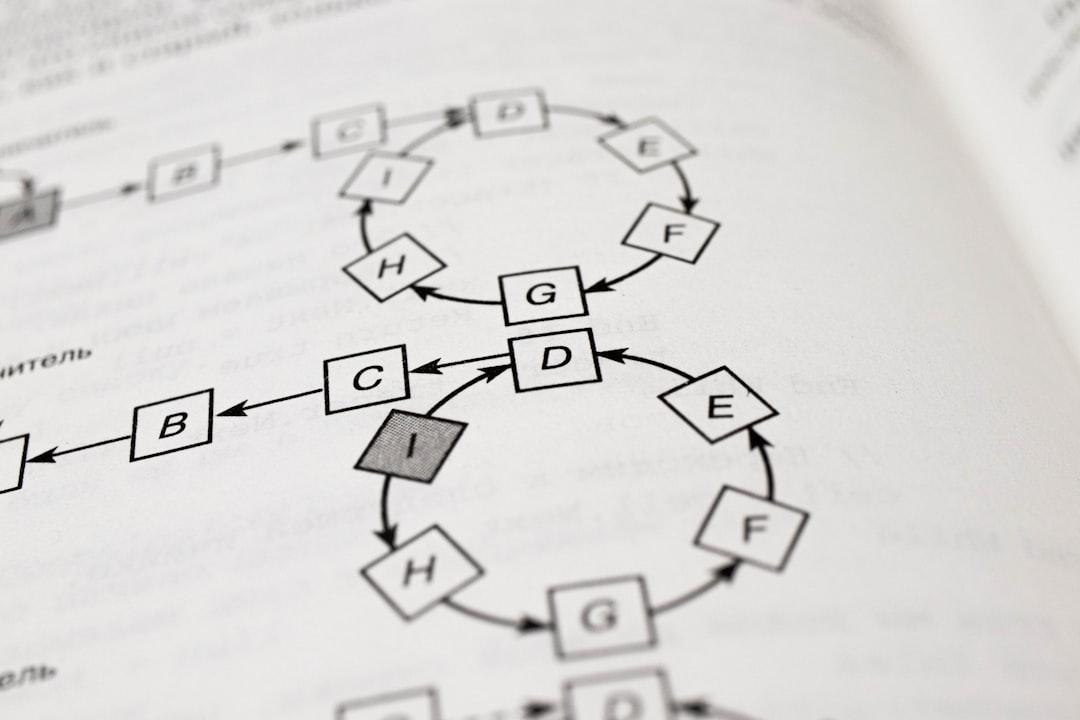
This cyclical flow ensures that ideas do not stagnate and that execution remains aligned with original intent.
Structured Productivity Techniques
Productivity within the Cadibara System is driven by intentional structure rather than micromanagement. The system introduces lightweight constraints that reduce decision fatigue.
Key productivity techniques include:
- Time boxing with purpose, where work sessions are linked to clear outcomes.
- Priority layering, separating urgent tasks from strategically important ones.
- Daily anchors, which are non-negotiable actions that maintain momentum.
Instead of long to-do lists, practitioners focus on a limited number of high-impact commitments each day, making progress measurable and visible.
Innovation Through Visual Thinking
Innovation in the Cadibara System is heavily supported by visual tools. Complex ideas are externalized through diagrams, maps, and canvases, allowing patterns and gaps to emerge.
Common visual artifacts include:
- Problem maps that show relationships between constraints and opportunities.
- Idea clusters that group concepts by theme or potential impact.
- Execution boards that translate abstract ideas into concrete steps.
This approach aligns with the system’s belief that seeing work is essential to improving it.

Feedback Loops and Iteration
A defining characteristic of the Cadibara System is its emphasis on feedback loops. Work is never considered final; it is always open to refinement based on results and insights.
Feedback occurs at multiple levels:
- Personal reflection at the end of each cycle.
- Peer review within teams to challenge assumptions.
- Outcome evaluation based on predefined success metrics.
These loops encourage learning without assigning blame, fostering a culture of continuous improvement.
Application in Individual Work
For individuals, the Cadibara System offers clarity and focus in environments filled with distractions. Freelancers, researchers, and independent creators often use it to manage multiple projects without burnout.
Personal implementation usually begins with:
- Establishing a single trusted capture system.
- Defining weekly creative and execution goals.
- Conducting brief end-of-week reviews.
This lightweight structure helps individuals maintain autonomy while benefiting from systematic thinking.
Application in Team and Organizational Settings
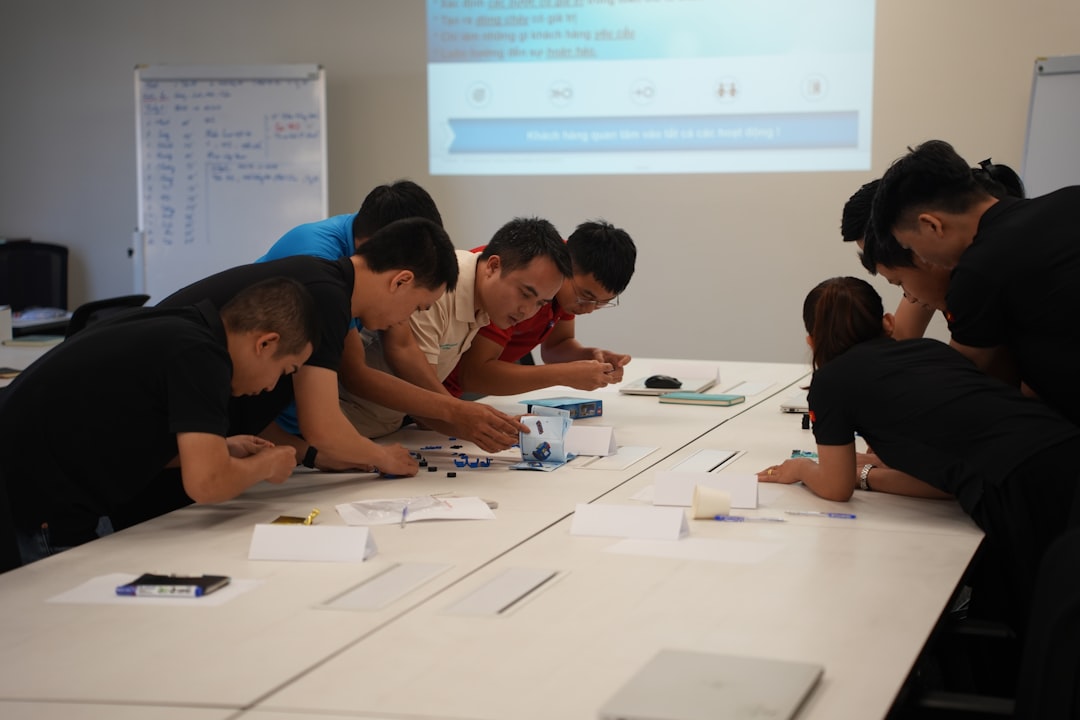
Within teams, the Cadibara System acts as a shared language for work. It aligns diverse roles around common goals and transparent processes.
Organizations often apply it by:
- Standardizing planning and review rituals.
- Using shared visual dashboards.
- Encouraging cross-functional collaboration during the creation phase.
The system is particularly effective for knowledge-based teams where outputs are intangible and difficult to measure through traditional metrics.
Balancing Flexibility and Discipline
One of the most notable strengths of the Cadibara System is its balance between flexibility and discipline. While the structure is clearly defined, users are encouraged to adapt tools and sequences.
This adaptability prevents the system from becoming dogmatic. Teams can scale it up for complex initiatives or simplify it for routine tasks, maintaining relevance across changing conditions.
Common Challenges and Misconceptions
Despite its benefits, the Cadibara System is sometimes misunderstood. A common misconception is that it adds overhead or slows creativity. In reality, the initial setup requires effort, but the long-term gains often outweigh the costs.
Challenges may include:
- Resistance to visible workflows.
- Inconsistent review practices.
- Over-customization that dilutes core principles.
Successful adoption depends on commitment and gradual integration rather than abrupt transformation.
The Long-Term Impact of the Cadibara System
Over time, the Cadibara System tends to shift how people think about work. Productivity becomes less about doing more and more about doing what matters. Innovation becomes a repeatable process rather than an occasional breakthrough.
By fostering clarity, alignment, and learning, the system supports sustainable performance in fast-changing environments.
Frequently Asked Questions
- What type of work is the Cadibara System best suited for?
It is best suited for knowledge work, creative projects, and complex problem-solving tasks. - Can the Cadibara System replace existing productivity tools?
It is designed to integrate with tools rather than replace them, providing a framework for their use. - How long does it take to see results?
Many users report improved clarity within weeks, with deeper benefits emerging over several months. - Is the system rigid or customizable?
The core principles remain consistent, but tools and workflows are intentionally adaptable. - Does it require training or facilitation?
While facilitation can help teams adopt it faster, individuals can implement it independently with guidance.