

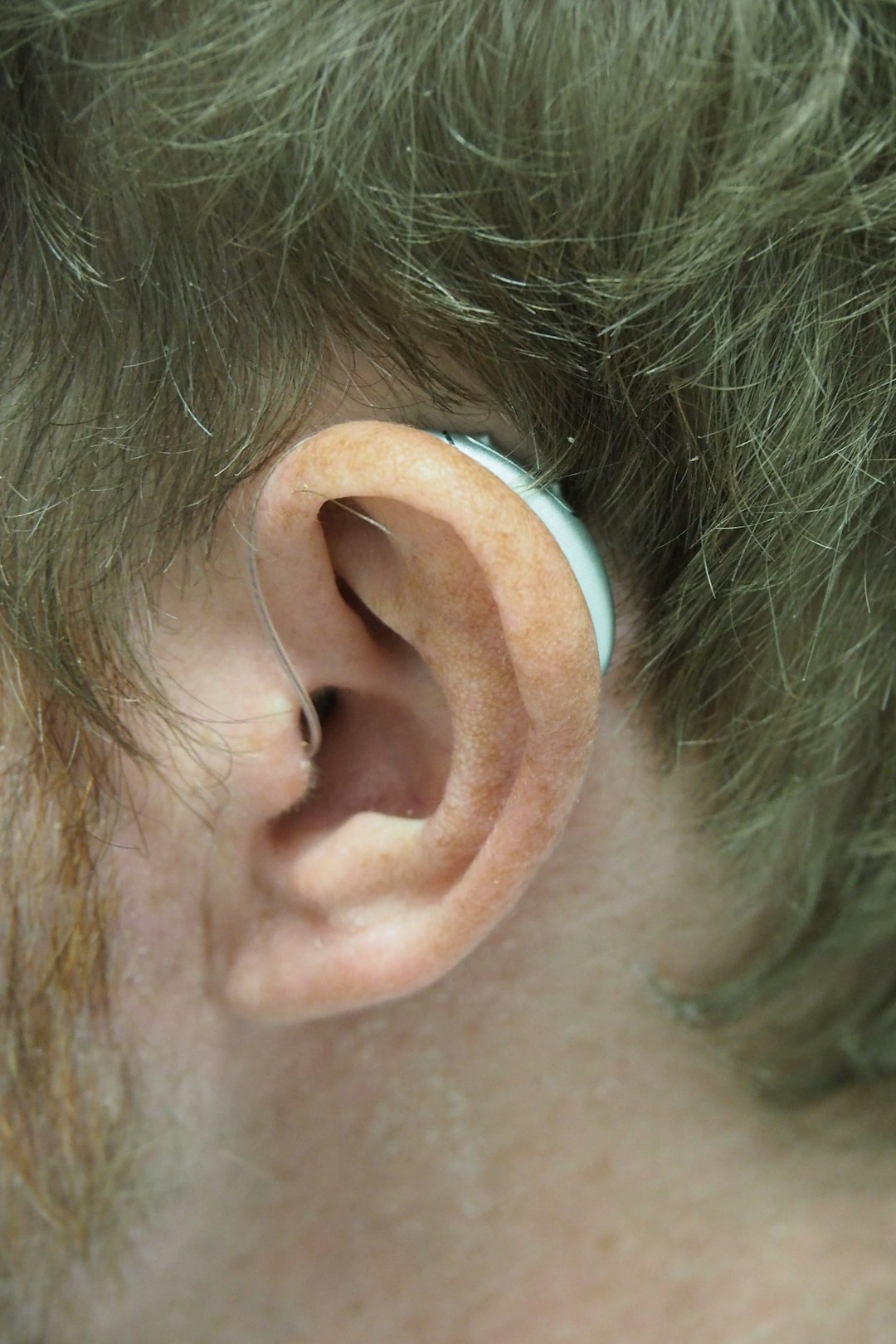
Choosing the right hearing aid in 2025 can be overwhelming due to the wide range of options now available. As technology has advanced rapidly, hearing aids have evolved from basic amplification devices to sophisticated tools that offer seamless integration with smartphones, AI-powered sound adjustments, and even health-tracking features. Whether you’re new to hearing aids or looking for an upgrade, this comprehensive buyer’s guide will help you understand the top options and key features to look for in this year’s hearing aid market.
Top Hearing Aids of 2025
These are the most recommended hearing aids in 2025, based on expert reviews, user feedback, and technological innovation:
- Phonak Audéo Lumity – Best Overall
- Jabra Enhance Plus – Best for Discreet Design
- Oticon Real – Best for Speech Clarity
- Resound Nexia – Best for Connectivity
- Eargo 7 – Best for First-Time Users
1. Phonak Audéo Lumity
The Phonak Audéo Lumity continues to lead the industry in overall performance. This model enhances speech understanding in various environments using SmartSpeech™ technology and offers Bluetooth connectivity for both Android and iOS devices. It features universal connectivity, allowing users to pair with multiple devices simultaneously. The hearing aid is also rechargeable, providing a full day of listening on a single charge.

2. Jabra Enhance Plus
Designed for users looking for a blend of style and functionality, the Jabra Enhance Plus doubles as a discreet earbud and a hearing aid. It’s an ideal solution for those with mild to moderate hearing loss and who are also frequent users of wireless earbuds. This model is FDA-cleared and emphasizes a discreet form factor without compromising on audio quality.
3. Oticon Real
The Oticon Real features advanced AI technology capable of mimicking natural brain hearing, thanks to its Deep Neural Network (DNN). This enables the hearing aid to process sound in real time, delivering more accurate speech and environmental sounds. It’s especially useful in noisy environments where distinguishing voices can be challenging. Oticon’s BrainHearing™ technology allows for a more personalized listening experience.
4. Resound Nexia
The Resound Nexia emphasizes excellent wireless connectivity and sound personalization. This model supports Bluetooth LE Audio, a new standard that improves power efficiency and sound stability. Key highlights include an ultra-fit design, smoother user interface, and a companion app that offers real-time adjustments and environmental focus modes.
5. Eargo 7
The Eargo 7 is a great option for first-time hearing aid users. Its completely-in-canal design ensures near invisibility while retaining the latest in hearing tech. It uses self-fitting technology, allowing users to complete their hearing test via an app and get customized results instantly. The rechargeable batteries and waterproof design make it a user-friendly option for everyday use.
Key Features to Look for in 2025 Hearing Aids
Choosing the right hearing aid means understanding which features best suit your lifestyle and hearing needs. In 2025, advancements in AI, connectivity, and user-centric design make these features particularly valuable:
- AI-Powered Sound Processing: Adapts automatically to ambient noise levels and voice frequencies.
- Rechargeability: Most modern hearing aids are rechargeable, eliminating the need for disposable batteries.
- Bluetooth Connectivity: Allows streaming music, phone calls, and TV audio directly to the device.
- Directional Microphones: Help isolate specific sounds, like human speech in noisy environments.
- Health Monitoring: Some models now track heart rate, physical activity, and sleep patterns.
- Companion Apps: Offer customization, real-time adjustments, and remote support.
Types of Hearing Aids
Hearing aids are available in several styles, and understanding the differences is crucial for a comfortable fit and optimal performance:
- Behind-the-Ear (BTE): Most powerful type, suitable for severe hearing loss. Easier to maintain.
- Receiver-in-Canal (RIC): Popular due to its comfort and range of features. Stylish and less visible.
- In-the-Ear (ITE): Custom-molded and fits entirely in the ear. More discreet but slightly less powerful.
- Completely-in-Canal (CIC): Nearly invisible but typically recommended for mild to moderate hearing loss.
Cost and Insurance Considerations
The cost of hearing aids in 2025 varies widely, from $800 to $6000 per pair, depending on features and customization. Many advanced models offer value-added services like remote tuning, AI-powered diagnostics, and lifetime support.
Insurance coverage is still limited, though some private insurers and Medicare Advantage plans are expanding their support for hearing health. Over-the-counter (OTC) options are increasingly popular for individuals with mild to moderate hearing loss, offering a more affordable path to better hearing.
Tips for First-Time Buyers
If you’re considering a hearing aid for the first time, keep the following tips in mind:
- Consult an Audiologist: Always start with a professional hearing exam to understand your specific needs.
- Try Before You Buy: Many providers offer trial periods on devices. Use this time to test comfort and sound quality.
- Check for Smartphone Compatibility: Make sure the model you choose works well with your mobile operating system.
- Consider Your Lifestyle: Athletes, office workers, retirees—each lifestyle benefits from different features.
- Read Reviews and Compare: Look for user testimonials and expert reviews before making your final decision.

FAQ: Best Hearing Aids in 2025
- Q: Are hearing aids covered by insurance in 2025?
- A: Some insurance plans and Medicare Advantage programs provide partial coverage. However, traditional Medicare still does not cover hearing aids. Check with your provider for details.
- Q: Can I buy hearing aids over-the-counter?
- A: Yes, OTC hearing aids are widely available for those with mild to moderate hearing loss. These are more affordable but may lack the customization of prescription models.
- Q: How long do hearing aids last?
- A: Most hearing aids last 3 to 7 years depending on care, usage, and technology updates. Rechargeable battery models may require battery replacement after 2-3 years.
- Q: Are there waterproof hearing aids?
- A: Yes, several models in 2025, like the Eargo 7 and Phonak Lumity, offer water-resistant or waterproof features. However, submersion is not recommended unless specifically stated by the manufacturer.
- Q: What’s the best hearing aid for noisy environments?
- A: Devices like the Oticon Real and Phonak Lumity excel in noisy environments due to advanced speech recognition algorithms and directional microphones.
Choosing the right hearing aid in 2025 is easier than ever thanks to technological advancements and greater accessibility. From invisible designs to AI-enhanced auditory processing, this year’s top hearing aids empower users to regain clarity and confidence across all aspects of life. Consider your specific hearing needs, lifestyle, and budget to choose the best solution for a more vibrant, connected future.