

Managing rental properties has evolved far beyond collecting checks and responding to maintenance calls. Today’s landlords and property managers face complex accounting requirements, regulatory compliance issues, tenant screening responsibilities, and the growing expectation of digital convenience. Property management software like Buildium has emerged as a comprehensive solution designed to centralize, automate, and streamline the many moving parts involved in handling rentals and tenants.
TLDR: Property management software like Buildium helps landlords and property managers streamline rent collection, maintenance tracking, accounting, tenant communication, and reporting in one centralized platform. It reduces administrative workload, improves accuracy, and enhances tenant satisfaction through automation and online tools. For growing portfolios, such software is no longer optional but essential for maintaining compliance, efficiency, and profitability.
Whether you manage a handful of units or an extensive portfolio, the right system provides structure, transparency, and measurable control over operations. In a competitive rental market, the difference between organized efficiency and operational chaos often comes down to the tools you use.
Why Modern Property Managers Need Specialized Software
Traditionally, landlords relied on spreadsheets, paper files, and manual ledger entries. While manageable for a single property, this approach quickly becomes inefficient and error-prone as portfolios grow. Modern property management software offers a centralized digital hub that integrates accounting, leasing, communication, and maintenance workflows.
Key challenges that software addresses include:
- Accurate financial tracking across multiple properties
- Automated rent collection with online payment options
- Maintenance coordination and vendor management
- Lease management with digital document storage
- Regulatory compliance support and reporting
By combining these functions, property managers reduce redundancy and human error while gaining real-time insight into performance metrics.
Core Features That Drive Operational Efficiency
Property management platforms like Buildium are designed to handle the entire rental lifecycle—from listing vacancies to lease termination. Below are the essential components that make these systems indispensable.
1. Online Rent Collection
One of the most impactful features is automated online rent payments. Tenants can pay via bank transfer, credit card, or other digital methods, while landlords receive funds directly into designated accounts.
Benefits include:
- Reduced late payments through automated reminders
- Elimination of manual deposit processing
- Clear digital payment records
- Improved tenant convenience
This automation not only saves time but also improves cash flow predictability.
2. Robust Accounting Tools
Financial management is arguably the most critical component of rental operations. Advanced property management systems include built-in accounting frameworks tailored specifically to real estate.
Typical accounting capabilities include:
- General ledger and chart of accounts
- Expense tracking by property or unit
- Automated bank reconciliation
- Security deposit tracking
- Comprehensive financial reporting
Instead of exporting data into separate accounting software, managers can generate profit and loss statements, balance sheets, and owner reports from a single platform.
3. Maintenance Tracking and Vendor Coordination
Maintenance management often determines tenant satisfaction. Digital systems allow tenants to submit requests online, attach photos, and monitor the repair status.

For managers, this creates a traceable workflow:
- Request submission
- Assignment to a vendor
- Status updates and documentation
- Invoice tracking and payment
This process ensures accountability while maintaining an organized service history for each property.
4. Tenant Screening and Leasing
Filling vacancies efficiently is essential for maintaining revenue. Integrated tenant screening tools can include credit checks, background reports, income verification, and rental history analysis.
Once approved, lease agreements can be generated and signed electronically. Digital lease storage ensures easy access and protects critical documentation from loss.
Enhancing Tenant Experience Through Digital Tools
Modern tenants expect seamless online interaction. Property management software supports this expectation through dedicated tenant portals, where residents can:
- Pay rent electronically
- Submit maintenance requests
- Access lease documents
- Receive announcements
- Review payment history
Providing this level of convenience builds trust and fosters long-term tenancy. In competitive rental markets, digital accessibility has shifted from being a luxury to a baseline expectation.
Happy tenants tend to renew leases, reducing vacancy rates and turnover costs.
Portfolio Scalability and Growth Management
As portfolios expand, complexity grows proportionally. What works for ten units may collapse under fifty. Property management software supports scalable growth through:
- Centralized dashboards across multiple properties
- Role-based access for team members
- Automated recurring tasks
- Data-driven performance tracking
Instead of hiring additional administrative staff at every growth stage, automation absorbs much of the increased workload. This enables property managers to scale efficiently without significantly inflating overhead costs.
Data-Driven Decision Making
Beyond task management, sophisticated systems provide valuable operational data. Customizable reports help managers evaluate:
- Occupancy rates
- Revenue trends
- Maintenance expenses
- Delinquency rates
- Return on investment per property
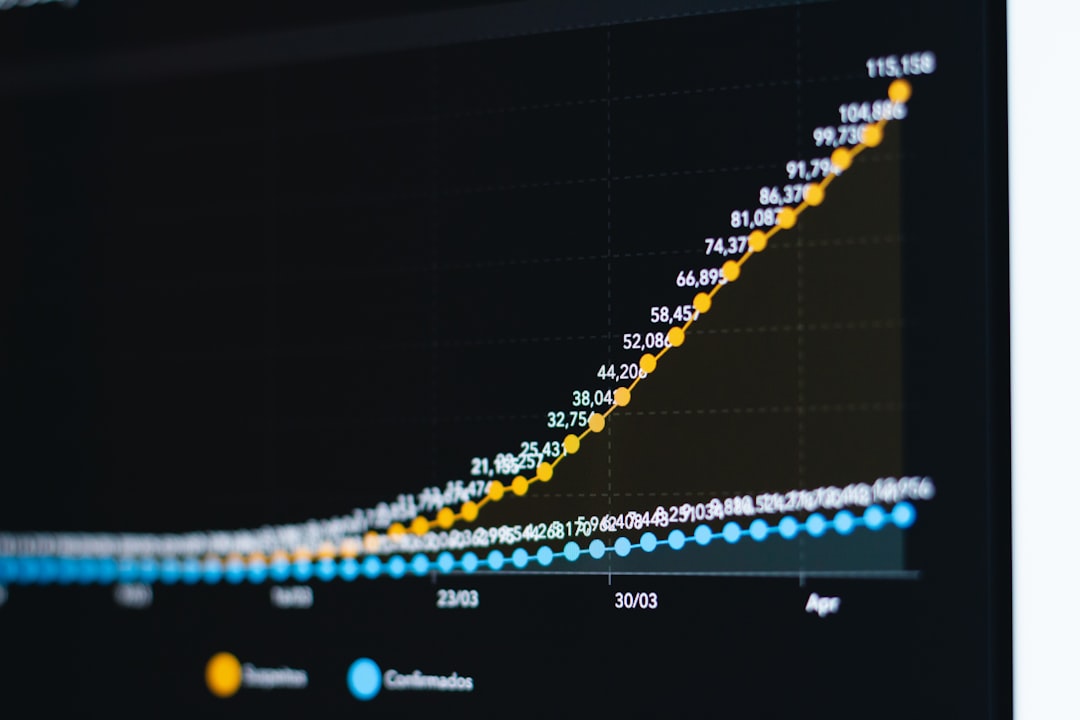
With accurate metrics readily available, property managers can identify underperforming units, adjust rental pricing strategies, or allocate maintenance budgets more strategically. Data removes guesswork and enables informed decisions.
Compliance and Risk Reduction
Rental regulations vary across jurisdictions and are frequently updated. Property management software assists with compliance by:
- Documenting communication history
- Maintaining digital audit trails
- Tracking lease expirations and renewals
- Recording security deposit handling
Having organized documentation can be critical during disputes or legal proceedings. A well-maintained digital record demonstrates professionalism and protects against costly litigation risks.
Security and Data Protection
Handling sensitive tenant information requires strong data security measures. Reputable property management systems employ encryption, secure payment processing, and user authentication controls.
This protects:
- Personal identification data
- Banking information
- Lease agreements
- Financial records
Entrusting information to secure, cloud-based infrastructure typically provides greater protection than local storage or paper filing systems.
Time Savings and Administrative Automation
The cumulative time saved through automation is substantial. Consider the repetitive administrative tasks eliminated:
- Manual rent reminders
- Paper invoice processing
- Physical lease storage
- Spreadsheets for expense categorization
With automation in place, managers can focus on higher-value activities such as portfolio expansion, marketing strategy, or capital improvement planning. Efficiency directly contributes to profitability.
Return on Investment
While property management software represents an operational expense, its return on investment becomes clear when evaluating:
- Reduced vacancy periods
- Lower administrative labor costs
- Improved rent collection rates
- Fewer accounting errors
- Enhanced tenant retention
In many cases, even a slight improvement in occupancy rates can offset the software subscription cost. Moreover, accurate financial oversight prevents costly mistakes that can accumulate over time.
Choosing the Right Platform
When evaluating options similar to Buildium, property managers should prioritize:
- Ease of use: An intuitive interface reduces training time.
- Comprehensive features: Avoid fragmented systems requiring multiple tools.
- Scalability: Ensure the platform supports future growth.
- Customer support: Reliable assistance is crucial for operational continuity.
- Transparent pricing: Understand subscription tiers and transaction fees.
Conducting thorough due diligence prevents costly software transitions later.
Conclusion
Property management software like Buildium has fundamentally transformed how rental operations are conducted. By integrating accounting, leasing, maintenance, communication, and reporting into a centralized platform, it replaces fragmented systems with cohesive structure. This not only improves efficiency but elevates professionalism and tenant satisfaction.
For landlords seeking long-term sustainability and growth, investing in reliable property management technology is no longer optional—it is strategic. The complexity of modern rental management demands automation, transparency, and data-driven oversight. Those who adopt comprehensive systems position themselves for stable cash flow, reduced risk, and scalable success in an increasingly competitive housing market.