
Nonprofit organizations increasingly rely on online fundraising to sustain their missions, expand their outreach, and respond quickly to community needs. As digital engagement becomes the norm, tools that simplify and optimize online giving have become essential. Platforms like Donorbox and similar nonprofit donation tools provide user-friendly, secure, and flexible systems that enable organizations to accept donations efficiently while building stronger relationships with supporters.
TLDR: Nonprofit donation tools like Donorbox help organizations accept secure online donations, manage donor relationships, and grow recurring contributions. These platforms offer customizable forms, payment integrations, and reporting features that simplify fundraising. By using modern donation software, nonprofits can increase conversion rates, streamline operations, and build long-term donor loyalty. Choosing the right platform depends on budget, integration needs, and fundraising goals.
The Growing Importance of Online Donation Tools
Digital transformation has reshaped the way donors interact with causes they care about. Instead of mailing checks or attending in-person events, many supporters prefer fast, secure, and mobile-friendly ways to give. Nonprofit donation tools fill this gap by providing seamless donation experiences that align with modern expectations.
Organizations that fail to offer convenient online donation options risk losing potential contributors. Research consistently shows that donors are more likely to complete a gift when the process is simple, visually clear, and optimized for mobile devices. This is where platforms like Donorbox excel: they remove friction from the giving process.

Key Features of Platforms Like Donorbox
While different tools offer varying capabilities, most reputable nonprofit donation platforms share several core features designed to help organizations maximize contributions and manage data effectively.
1. Customizable Donation Forms
Donation forms are the gateway to online giving. Modern platforms allow nonprofits to:
- Create branded donation forms that match their website design
- Add suggested giving amounts
- Enable one-time and recurring donations
- Customize fields for donor information
A well-designed form not only strengthens credibility but also improves conversion rates by making the process intuitive.
2. Recurring Donation Management
Recurring donations provide stable, predictable revenue. Platforms like Donorbox emphasize monthly giving programs that allow supporters to automate their contributions. These features often include:
- Automated billing cycles
- Easy donor self-management portals
- Automated receipts and acknowledgments
By encouraging recurring donations, nonprofits can build sustainable fundraising strategies rather than relying solely on one-time campaigns.
3. Multiple Payment Options
To accommodate diverse preferences, effective donation platforms integrate with major payment processors and methods such as:
- Credit and debit cards
- Bank transfers
- Digital wallets
- International currencies
Offering flexibility increases the likelihood that donors will complete their transactions.
4. Security and Compliance
Trust is essential in nonprofit fundraising. Donation tools incorporate robust security standards such as encryption, fraud detection, and compliance with data protection regulations. This reassures donors that their personal and financial information is handled responsibly.
Advantages of Using Dedicated Donation Software
Although some organizations attempt to process donations manually or through generic payment tools, dedicated nonprofit platforms offer distinct advantages.
Improved Donor Experience
A smooth user experience reduces abandonment rates. Features like progress bars, mobile responsiveness, and streamlined checkout processes encourage completion.
Automated Administrative Tasks
Manual record-keeping consumes valuable staff time. Donation tools automate:
- Email receipts
- Tax documentation
- Data entry and syncing with CRM systems
- Recurring billing notifications
This automation allows nonprofit teams to focus on relationship-building rather than paperwork.
Data and Reporting Insights
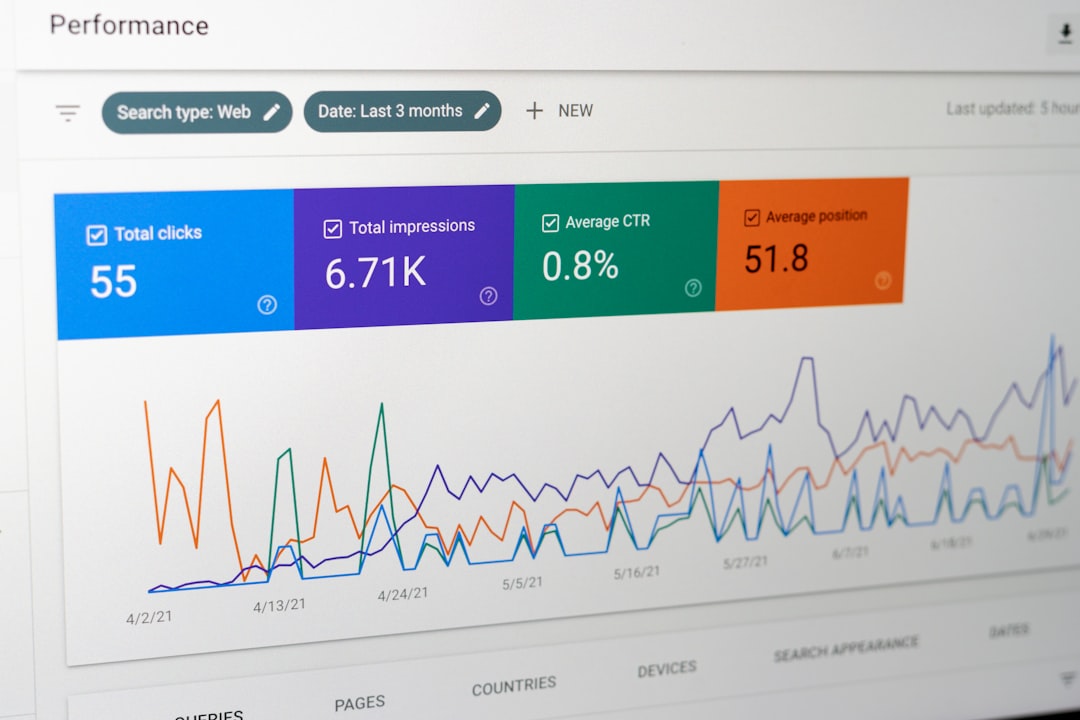
Access to detailed analytics enables organizations to evaluate campaign performance, identify donor trends, and optimize strategies. Reports may include:
- Total funds raised
- Donation frequency
- Average gift amount
- Donor retention rates
With actionable insights, nonprofits can make informed decisions to increase impact.
Integration with Websites and Marketing Tools
One of the defining strengths of tools like Donorbox is seamless integration. Nonprofits can embed donation forms directly into their websites, ensuring supporters never need to navigate away to complete a gift.
Additionally, many platforms integrate with:
- Email marketing software
- Customer relationship management systems
- Event registration tools
- Accounting software
This interconnected ecosystem streamlines operations and preserves data accuracy across systems.
Enhancing Fundraising Campaigns
Beyond standard donations, modern tools often provide features tailored to campaigns and events. These may include:
- Peer-to-peer fundraising pages
- Goal meters and thermometers
- Text-to-give functionality
- Crowdfunding options
Visual indicators like progress bars motivate donors by showing how close a campaign is to reaching its goal.

Mobile Optimization and Accessibility
With a significant percentage of donors using smartphones or tablets, mobile optimization is no longer optional. High-performing donation tools ensure:
- Responsive design for all devices
- Fast-loading pages
- Accessible navigation for users with disabilities
Accessibility compliance not only broadens audience reach but also reflects a nonprofit’s commitment to inclusivity.
Cost Considerations and Pricing Models
When evaluating platforms like Donorbox, nonprofits must weigh costs against benefits. Pricing structures commonly include:
- Percentage-based transaction fees
- Monthly subscription fees
- Premium plans with advanced features
While fees are inevitable, the increased revenue generated through optimized donation processes often offsets these costs. Transparent pricing and scalability are important factors when selecting a platform.
How to Choose the Right Donation Tool
Selecting the most suitable software requires careful consideration of organizational needs. Key criteria include:
- Ease of Use: Staff and volunteers should understand the system with minimal training.
- Customization: The ability to reflect brand identity builds donor trust.
- Integration Capabilities: Compatibility with existing systems prevents data silos.
- Support Services: Reliable customer support ensures smooth implementation.
- Scalability: The tool should grow alongside the organization.
Testing demos or free trials can help nonprofits assess functionality before committing.
Common Challenges and Solutions
Despite their advantages, implementing online donation tools may present challenges such as:
- Technical setup difficulties
- Staff learning curves
- Integration hiccups
These obstacles can often be mitigated through onboarding resources, support documentation, and consulting services provided by the platform. Proper planning and internal training ensure a smoother transition.
The Future of Online Giving Platforms
As technology evolves, nonprofit donation tools continue to innovate. Trends shaping the future include:
- Artificial intelligence for donor insights
- Enhanced personalization of donation experiences
- Expanded international payment support
- Improved data visualization tools
Organizations that adopt modern, adaptable platforms position themselves to thrive in an increasingly digital fundraising landscape.
Conclusion
Nonprofit donation tools like Donorbox play a pivotal role in modern fundraising. By offering customizable forms, recurring donation management, secure payment processing, and valuable reporting features, these platforms empower organizations to operate efficiently and grow sustainably. As donor expectations continue to shift toward digital convenience, nonprofits that invest in robust online donation systems will be better equipped to fulfill their missions and expand their impact.
Frequently Asked Questions (FAQ)
-
What are nonprofit donation tools?
Nonprofit donation tools are software platforms that allow organizations to accept and manage online donations securely while providing features such as recurring payments, reporting, and donor management. -
Are platforms like Donorbox secure?
Reputable donation platforms use encryption, secure payment gateways, and compliance standards to protect donor data and financial information. -
Can small nonprofits benefit from using donation software?
Yes, small nonprofits often benefit significantly because these tools automate administrative tasks and help increase online giving without requiring extensive technical expertise. -
Do these tools support recurring donations?
Most modern platforms strongly emphasize recurring giving and provide automated billing and donor management features. -
How much do nonprofit donation tools typically cost?
Costs vary depending on the platform and features, but most charge transaction fees and may offer optional subscription plans for advanced functionality. -
Can donation forms be embedded into an existing website?
Yes, many platforms allow organizations to embed customizable donation forms directly into their websites for a seamless user experience.