
Modern fleet operations are no longer managed with clipboards, spreadsheets, and scattered phone calls. Today’s transportation, logistics, and service companies rely on sophisticated fleet management systems like Samsara to track vehicles, monitor drivers, reduce costs, and improve safety in real time. As industries face rising fuel costs, tighter regulations, and growing customer expectations, these digital platforms have become essential tools for efficient operations.
TLDR: Fleet management systems like Samsara combine GPS tracking, telematics, AI-powered dashcams, and real-time analytics to give companies full visibility into their vehicles and drivers. They help reduce fuel costs, improve driver safety, streamline maintenance, and ensure regulatory compliance. By turning vehicle data into actionable insights, these platforms make fleets more efficient, safer, and more profitable. For businesses operating multiple vehicles, modern fleet technology is no longer optional—it’s a competitive necessity.
What Is a Fleet Management System?
A fleet management system is a digital platform that allows businesses to monitor, track, and manage their vehicles and drivers through connected hardware and cloud-based software. Systems like Samsara use GPS tracking devices, vehicle telematics, dash cameras, and mobile apps to gather real-time data.
This data can include:
- Vehicle location and route history
- Speed and driving behavior
- Fuel usage and engine diagnostics
- Idle time and harsh braking events
- Maintenance alerts and fault codes
All of this information is sent to a centralized dashboard where fleet managers can monitor operations across dozens, hundreds, or even thousands of vehicles.
Real-Time GPS Tracking and Visibility
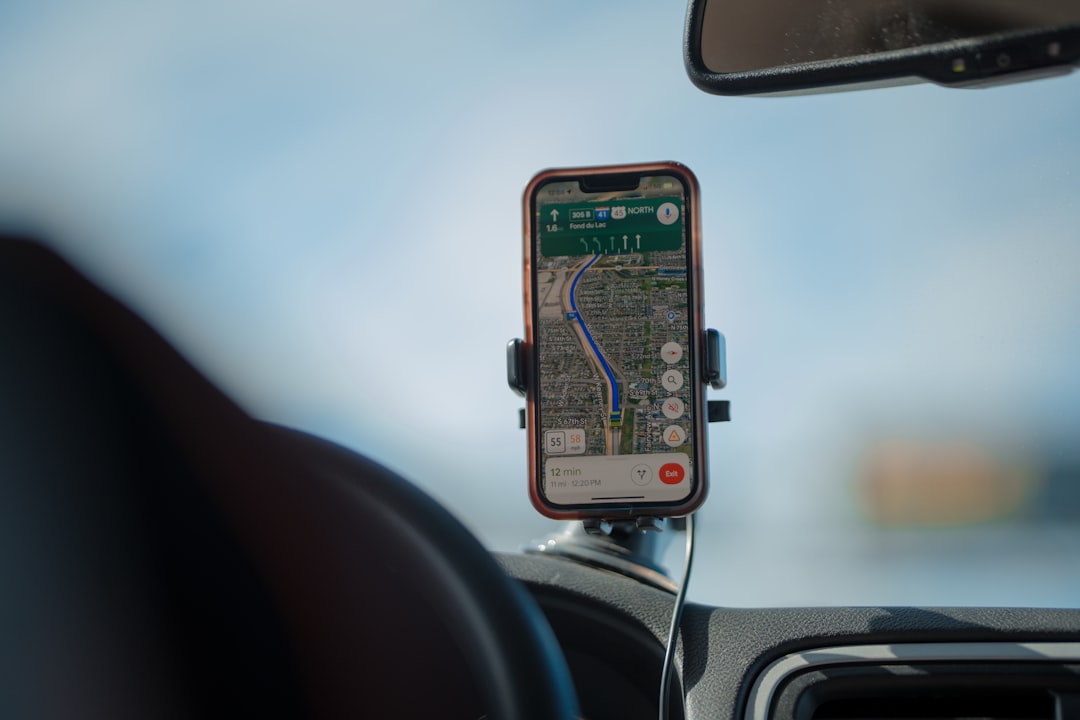
One of the most recognizable features of platforms like Samsara is live GPS tracking. Managers can see exactly where every vehicle is at any moment. This transforms dispatching, job coordination, and customer communication.
Instead of calling drivers for status updates, dispatchers can:
- Assign jobs based on proximity
- Provide accurate ETAs to customers
- Reroute drivers around traffic congestion
- Respond quickly to delays or emergencies
Live tracking also increases accountability. If a customer reports a missed delivery or service visit, managers can verify routes and timestamps instantly.
Improving Driver Safety with AI and Telematics
Driver safety is one of the most important challenges in fleet operations. Accidents are costly—not only financially but also in terms of reputation and employee well-being. Systems like Samsara integrate AI-powered dash cams and advanced telematics to monitor risky behavior and coach drivers proactively.
These platforms detect behaviors such as:
- Harsh braking or acceleration
- Distracted driving
- Speeding
- Tailgating
- Failure to wear seatbelts
Rather than relying solely on reactive accident reports, fleet managers receive real-time alerts. Video footage paired with driving data provides context for incidents, helping distinguish between risky behavior and unavoidable situations.
Over time, managers can use driver scorecards and safety reports to coach individuals and reward improvements. Many businesses see measurable reductions in accidents within months of adopting these systems.

Fuel Efficiency and Cost Control
Fuel is often one of the largest operational expenses for fleets. Even small inefficiencies can scale into significant losses across dozens of vehicles.
Fleet management platforms help reduce fuel consumption by identifying:
- Excessive idling
- Inefficient routes
- Aggressive driving habits
- Unauthorized vehicle usage
With detailed reporting, managers can take specific actions—such as training drivers to reduce idle time or optimizing delivery routes using historical data. Some systems also integrate with fuel cards to detect fraud or unusual spending patterns.
The result? Lower fuel bills, reduced emissions, and a more sustainable operation.
Predictive Maintenance and Reduced Downtime
Unexpected vehicle breakdowns disrupt schedules and increase repair costs. Fleet management systems address this issue by providing predictive maintenance insights.
By connecting directly to the vehicle’s onboard diagnostics (OBD-II or similar systems), telematics devices collect engine fault codes, mileage data, and performance metrics. The system then alerts managers when:
- Scheduled service intervals are approaching
- Engine fault codes appear
- Battery health is declining
- Tires or brakes may require inspection
This proactive approach minimizes unplanned downtime and extends vehicle lifespan. Instead of reacting to breakdowns, businesses can plan maintenance during off-hours or slow periods.
Ensuring Regulatory Compliance
For industries such as trucking and logistics, regulatory compliance is complex and mandatory. Systems like Samsara offer integrated Electronic Logging Devices (ELDs) to track Hours of Service (HOS) and ensure drivers adhere to federal regulations.
Compliance features often include:
- Automated driver logs
- Inspection reporting tools
- DVIR (Driver Vehicle Inspection Reports)
- Secure digital documentation storage
By digitizing paperwork and automating reporting, fleet management systems significantly reduce administrative burdens while minimizing the risk of costly fines.
Data-Driven Decision Making
Perhaps the most transformative benefit of fleet management systems is data centralization. Instead of guessing or relying on anecdotal feedback, managers can make decisions backed by measurable performance indicators.
Advanced analytics dashboards allow businesses to:
- Compare driver performance across the fleet
- Identify seasonal demand trends
- Track cost per mile
- Measure on-time delivery rates
- Analyze asset utilization
Over time, these insights help companies optimize staffing, upgrade vehicles strategically, and scale operations efficiently.
Enhancing Customer Service
Fleet technology does not only benefit internal operations—it directly impacts customer satisfaction.
Real-time tracking enables businesses to:
- Send accurate arrival notifications
- Provide proof of delivery with timestamps
- Respond quickly to service changes
- Resolve disputes using documented route history
Customers increasingly expect transparency similar to consumer package tracking. Fleet management software allows businesses to meet—and often exceed—those expectations.
Scalability for Growing Businesses
As companies expand, operational complexity increases. New vehicles, additional drivers, wider service areas, and higher compliance demands can overwhelm manual systems.
Cloud-based fleet platforms are highly scalable. Adding a new vehicle typically requires installing a tracking device and activating it within the dashboard. The centralized software then automatically incorporates it into reports and analytics.
This flexibility allows small businesses to start with a handful of vehicles and scale confidently without rebuilding their operational infrastructure.
Integration With Broader Technology Ecosystems
Modern fleet management systems rarely operate in isolation. Many platforms integrate with:
- Payroll systems
- Dispatch and routing software
- Enterprise resource planning (ERP) tools
- Maintenance management systems
- Customer relationship management (CRM) platforms
These integrations create a seamless digital ecosystem where vehicle data automatically supports accounting, scheduling, and customer service workflows.
Challenges and Considerations
While the benefits are significant, implementing a fleet management system requires thoughtful planning. Common challenges include:
- Driver privacy concerns: Clear communication is essential to explain safety and operational goals.
- Upfront investment: Hardware and subscriptions require budgeting, though ROI is often strong.
- Training needs: Staff must understand how to interpret data and use dashboards effectively.
Successful adoption depends on company culture, transparent policies, and consistent follow-through in using the collected insights.
The Future of Fleet Management
The future of fleet management is driven by artificial intelligence, automation, and electrification. AI models are becoming more advanced in predicting accidents, identifying mechanical failures, and optimizing routes dynamically.
As electric vehicle (EV) fleets grow, fleet platforms will play an even larger role in:
- Monitoring battery health
- Managing charging schedules
- Tracking energy consumption
- Planning charging infrastructure deployment
Autonomous driving technology may further transform how fleet data is used, shifting focus from driver behavior to system diagnostics and software performance monitoring.
Conclusion
Fleet management systems like Samsara represent a major evolution in how companies oversee vehicles and drivers. By combining GPS tracking, telematics, AI-driven safety tools, and detailed analytics, these platforms provide real-time visibility and actionable insights that improve safety, lower costs, and strengthen customer service.
In an increasingly competitive and technology-driven world, businesses that leverage fleet data gain a clear operational advantage. Whether managing a delivery service, a construction fleet, or a nationwide logistics operation, adopting a robust fleet management system can turn vehicles from simple transportation assets into intelligent, connected components of a highly efficient ecosystem.
Ultimately, fleet technology is not just about tracking where vehicles are—it’s about understanding how they operate, how drivers perform, and how every mile can be optimized for safety, efficiency, and profitability.