
Modern agriculture is no longer driven by instinct alone. Today’s most successful farms rely on data, software platforms, and connected technologies to improve yields, control costs, and respond quickly to changing field conditions. As margins tighten and environmental pressures grow, farm managers must adopt tools that provide clarity, traceability, and actionable insights. Agricultural farm management platforms such as Granular and similar systems have become essential in helping producers monitor crops, manage labor, track inputs, and optimize operations with precision.
TLDR: Farm management tools like Granular help farmers monitor crops, manage labor, track inputs, and improve operational efficiency. These platforms centralize data, provide real-time insights, and support better financial and agronomic decisions. From precision agriculture systems to satellite imagery and inventory tracking software, digital tools are transforming how modern farms operate. Adopting the right solutions can significantly increase productivity, reduce waste, and strengthen long-term profitability.
1. Granular: Whole-Farm Management and Financial Visibility
Granular is widely recognized as a comprehensive farm management platform designed to give operators full visibility into both agronomic and financial performance. It brings together field-level data, operational metrics, and accounting insights into one integrated dashboard.
Key capabilities typically include:
- Field-level profit analysis to determine which crops and plots generate the strongest returns.
- Scenario planning tools to evaluate planting strategies and cost assumptions.
- Labor and equipment tracking to monitor productivity.
- Input cost management for seed, fertilizer, and chemical applications.
By consolidating operational and financial information, platforms like Granular reduce guesswork. Farm managers can make informed decisions based on historical performance, not just seasonal expectations. This is especially critical for multi-location operations that require clear reporting across diverse teams and assets.
The core strength of comprehensive farm management tools lies in their ability to connect agronomy with profitability.
2. Climate FieldView: Precision Agriculture and Real-Time Field Monitoring
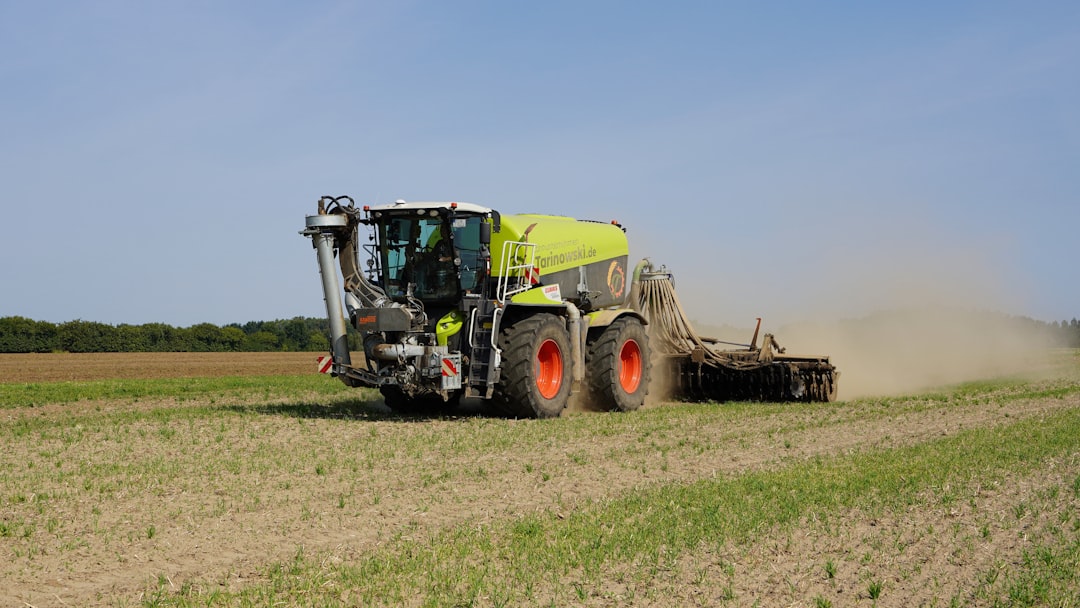
Precision agriculture platforms such as Climate FieldView allow farmers to visualize planting, spraying, and harvesting data in real time. These systems integrate with compatible machinery to collect operational data directly from tractors and combines.
Key advantages include:
- Yield mapping that highlights variability across fields.
- Seeding population tracking to analyze performance by hybrid or variety.
- Application maps for fertilizer and crop protection inputs.
- Weather overlay data for contextual decision-making.
With detailed field maps, managers can identify underperforming zones and adjust practices accordingly. Rather than treating an entire field uniformly, precision tools support site-specific management. This reduces input waste and can significantly improve yield consistency.
In regions prone to variable rainfall or soil differences, these insights are particularly valuable. Data-driven adjustments mid-season can prevent small issues from becoming widespread losses.
3. Trimble Ag Software: Integrated Fleet and Resource Management
Trimble Ag Software offers a robust suite of tools for managing field operations, equipment fleets, and agronomic records. Its strength lies in integrating hardware with data platforms, allowing operators to monitor machinery performance alongside crop development.
Important features often include:
- GPS-guided field operations for increased accuracy.
- Autosteering and guidance systems that reduce overlap.
- Asset tracking to monitor equipment usage and maintenance needs.
- Compliance documentation for regulatory reporting.
Reducing overlap during planting or spraying minimizes wasted seed and chemicals. Over time, small efficiency improvements across hundreds or thousands of acres create substantial cost savings. At the same time, automated recordkeeping ensures compliance with environmental and industry standards.
For large operations with multiple machines running simultaneously, real-time fleet visibility is critical to maintaining productivity during short planting and harvest windows.
4. John Deere Operations Center: Data-Driven Decision Making
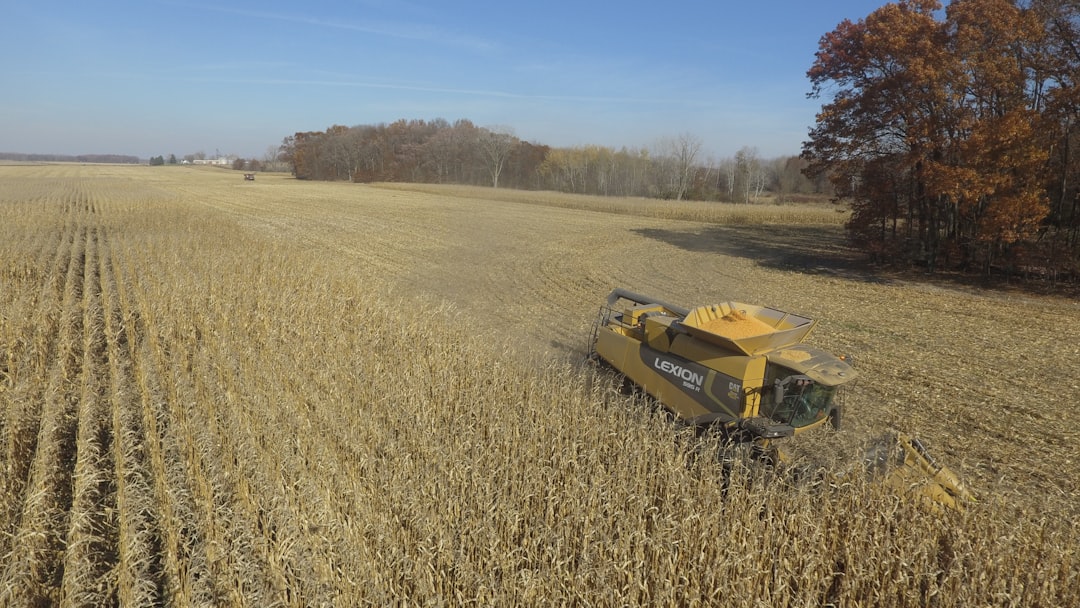
John Deere Operations Center is another widely adopted platform in modern agriculture. It centralizes machine data, field records, and agronomic insights into a cloud-based system accessible across devices.
The platform commonly supports:
- Automatic data syncing from connected machinery.
- Detailed yield analysis across seasons.
- Remote equipment diagnostics to reduce downtime.
- Collaboration tools that allow agronomists and consultants to access field data.
Downtime during harvest or planting can be extremely costly. Remote diagnostics enable quicker service responses, minimizing operational disruptions. Meanwhile, multi-season yield comparisons help identify long-term field trends.
Because agriculture depends heavily on timing, platforms that improve scheduling and predictive maintenance deliver both operational resilience and financial protection.
5. Satellite and Drone Imaging Platforms: Visual Intelligence from Above
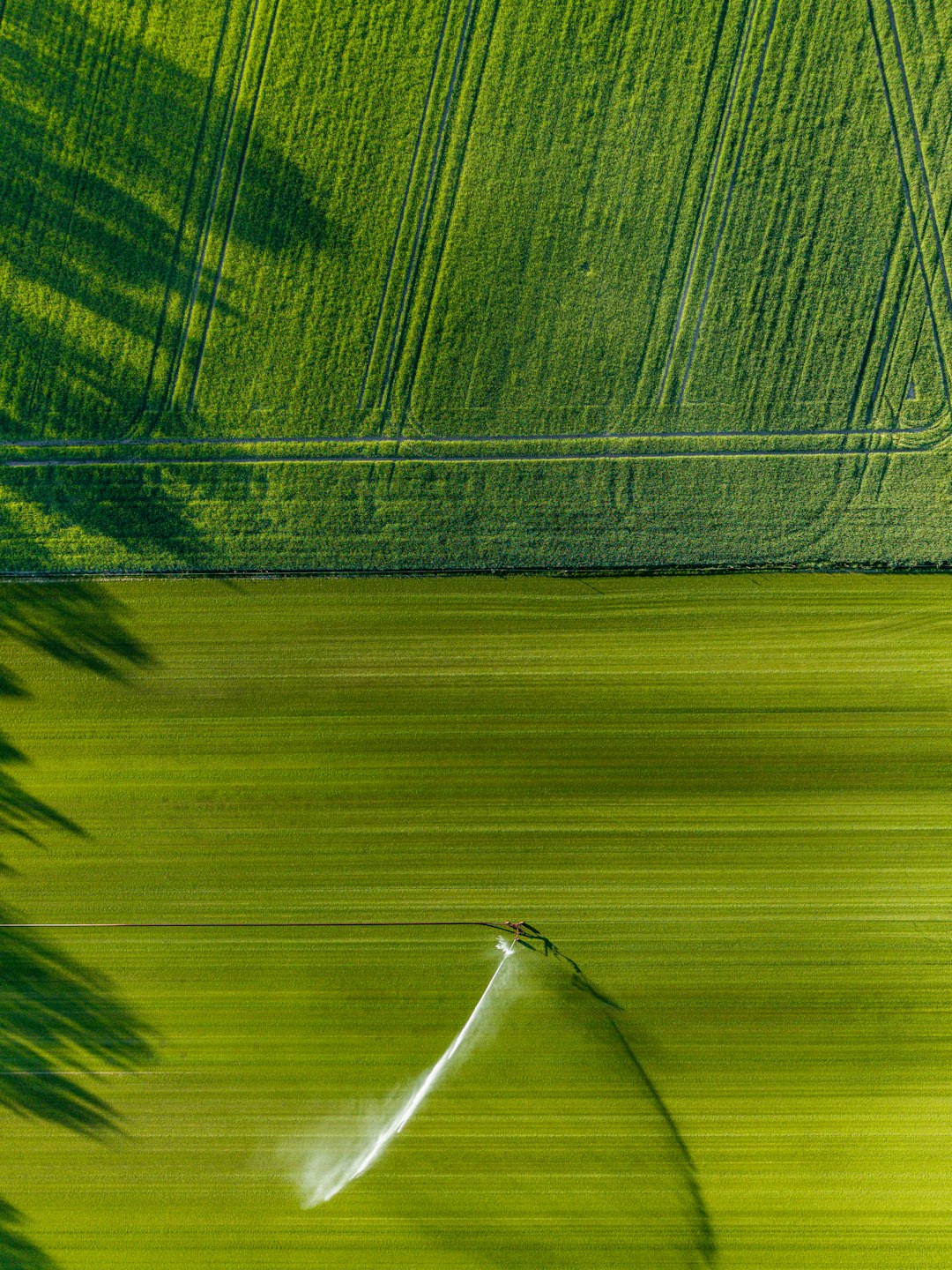
Satellite and drone-based imaging tools provide a different but equally important form of monitoring: visual crop health analysis. These platforms use multispectral imagery and vegetation indices such as NDVI (Normalized Difference Vegetation Index) to detect stress patterns invisible to the naked eye.
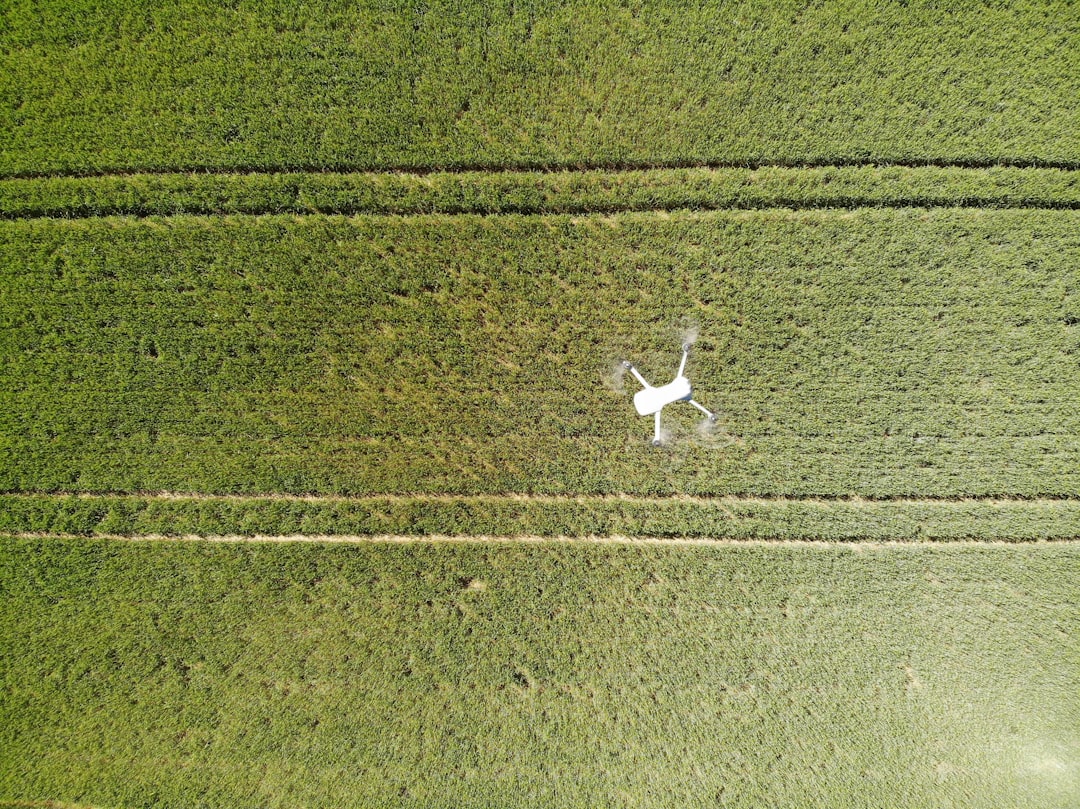
Their value lies in early detection. Farmers can identify:
- Nutrient deficiencies before visible symptoms spread.
- Pest infestations in isolated zones.
- Water stress areas due to irrigation inconsistencies.
- Disease outbreaks requiring targeted treatment.
Instead of applying inputs across entire fields, managers can treat only affected zones. This targeted approach reduces chemical use, lowers costs, and supports sustainability initiatives.
In large-scale operations, walking every acre is impossible. Satellite and drone data act as a force multiplier, allowing managers to prioritize scouting efforts where attention is most needed.
6. Farm Inventory and Input Management Systems
Often overlooked, inventory and input management tools are critical to profitability. These systems track seed stock, chemical supplies, fertilizer inventory, fuel usage, and spare parts.
Common capabilities include:
- Real-time inventory tracking across multiple storage locations.
- Automated reorder alerts to prevent shortages.
- Batch tracking and lot traceability for compliance.
- Cost allocation by field or crop.
When input prices fluctuate significantly, accurate tracking becomes financially essential. Even small discrepancies can compound into thousands of dollars in unaccounted expenses.
Additionally, traceability requirements are increasing in many markets. Keeping detailed records of chemical usage and fertilizer applications not only improves internal management but also protects market access.
Why Integrated Systems Deliver the Greatest Value
While each of these tools offers standalone benefits, their true power emerges when integrated. Interoperability between machinery data, crop monitoring, satellite imaging, and financial reporting creates a comprehensive operational picture.
An integrated approach allows farm managers to:
- Link yield results directly to input decisions.
- Compare labor productivity across fields.
- Measure return on investment for specific hybrids or treatments.
- Forecast next-season performance with stronger confidence.
Data without interpretation has limited value. Structured analysis transforms raw information into strategic advantage.
Practical Considerations Before Adoption
Before implementing new farm management tools, producers should evaluate:
- Compatibility with existing machinery and hardware.
- Ease of use for employees and agronomists.
- Data ownership and security policies.
- Support and training availability.
- Return on investment timeline.
Technology adoption requires culture change as much as software installation. Teams must be trained not only to input data accurately but also to interpret it meaningfully. Without consistent usage, even the most advanced platform will fail to deliver measurable benefits.
The Future of Farm Monitoring and Operations
Agricultural technology continues to evolve rapidly. Artificial intelligence models are being integrated into crop forecasting systems. Machine learning algorithms are enhancing pest prediction. Autonomous machinery is gradually reducing labor pressures.
Farm management tools will likely become more predictive rather than reactive. Instead of simply reporting what has happened, platforms will increasingly recommend optimal planting windows, ideal nutrient timing, and risk mitigation strategies based on historical and real-time data inputs.
As global demand for food continues to rise, farms must produce more with fewer resources. Digital monitoring platforms are no longer experimental enhancements; they are operational necessities.
In conclusion, tools like Granular and comparable farm management systems provide the transparency, efficiency, and strategic insight needed to navigate modern agricultural challenges. From financial analytics and fleet management to satellite imaging and inventory control, each technology plays a distinct role in strengthening operational performance. Farms that leverage these integrated tools position themselves not only for higher yields but also for long-term sustainability and profitability.