

Wearable technology has evolved rapidly over the past decade, but few devices have challenged traditional health tracking formats as convincingly as the RingConn Gen 2. Designed to deliver comprehensive wellness insights in a discreet and comfortable form, this smart ring represents a significant step forward in personal health monitoring. Rather than strapping on a watch or charging a bulky device every day, users can now access advanced biometric data through a sleek ring that integrates seamlessly into daily life.
TLDR: The RingConn Gen 2 is a powerful smart ring that offers advanced wellness tracking in a compact and comfortable form. It monitors sleep, heart rate, stress, recovery, and activity with impressive accuracy while maintaining long battery life. With improved sensors, refined algorithms, and a user-friendly app, it delivers detailed insights without overwhelming the wearer. For users seeking a minimalist yet serious health-tracking solution, it stands out as one of the most compelling options available.
The growing interest in wellness has shifted consumer expectations. People want actionable data—not just step counts. The RingConn Gen 2 addresses this demand with a refined sensor suite and sophisticated analytics designed to provide deeper physiological understanding without demanding constant attention.
A New Standard in Smart Ring Design
The RingConn Gen 2 builds upon the foundation of earlier smart rings but introduces meaningful improvements in both hardware and functionality. At first glance, it appears minimalistic and elegant. However, beneath its polished exterior lies a tightly integrated collection of sensors engineered for precision.
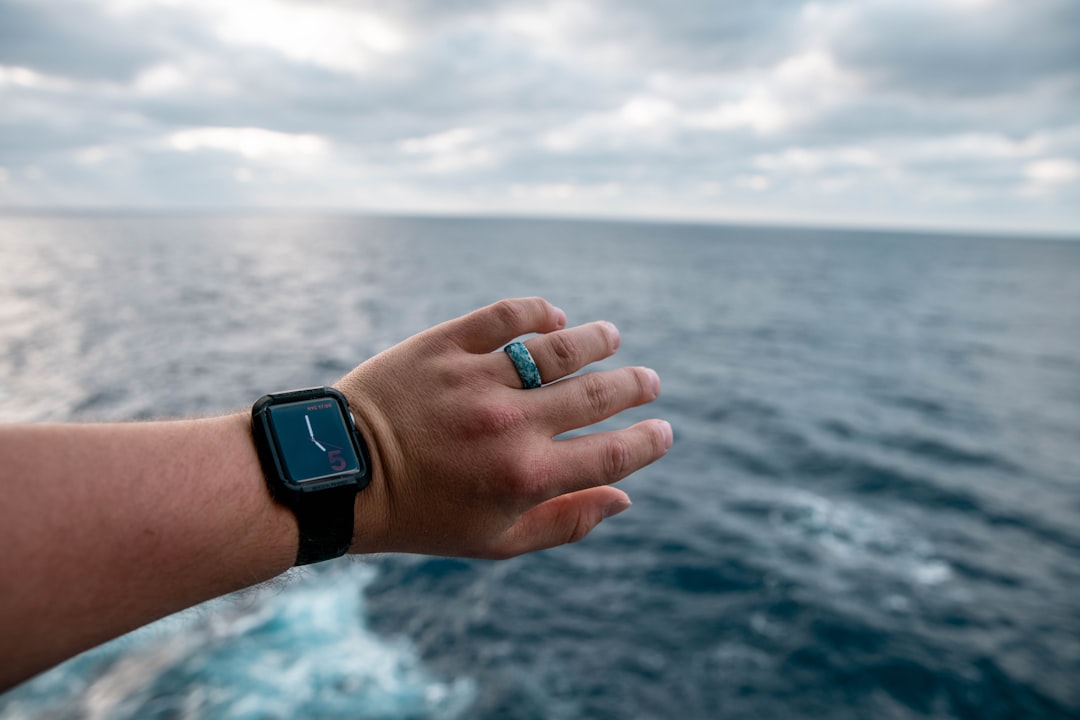
Key physical characteristics include:
- Lightweight construction that ensures all-day and overnight comfort.
- Medical-grade materials designed to minimize skin irritation.
- Water resistance suitable for daily activities, including showering and light swimming.
- Extended battery life that exceeds many wrist-based competitors.
The design philosophy is deliberate: unobtrusive wellness tracking. Unlike watches that can feel cumbersome during sleep, a ring sits naturally on the finger, often becoming unnoticed after a short adjustment period.
Advanced Sleep Tracking and Recovery Insights
Sleep remains one of the most critical pillars of health, and RingConn Gen 2 treats it accordingly. The device tracks multiple sleep stages, including light, deep, and REM sleep, while analyzing heart rate variability (HRV), respiration patterns, and nighttime movement.
What distinguishes the Gen 2 from basic trackers is its interpretation layer. The accompanying mobile application does not merely display raw numbers. Instead, it provides:
- Sleep quality scores based on duration and efficiency.
- Recovery indicators informed by overnight HRV and resting heart rate trends.
- Personalized recommendations that adapt to long-term data patterns.
HRV tracking is particularly noteworthy. Often associated with professional athletic training, HRV offers insight into nervous system balance and recovery status. By integrating HRV analysis into daily metrics, the RingConn Gen 2 makes performance-level data accessible to general users.
Continuous Heart Rate and Stress Monitoring
Another standout feature is its continuous heart rate monitoring. Rather than sampling sporadically, the ring tracks heart rate trends throughout the day and night. This continuous data stream allows for more meaningful pattern recognition.
Stress measurement is calculated using a combination of physiological indicators, particularly HRV and heart rate variability trends across time. Users can monitor:
- Baseline stress levels
- Daily fluctuations linked to work or activity
- Long-term stress adaptation patterns
The benefit of a ring form factor is improved sensor contact. Because the finger contains a rich network of blood vessels, the optical sensors can often achieve strong signal clarity. This contributes to consistent and reliable readings.
Activity Tracking Without the Bulk
While the RingConn Gen 2 emphasizes recovery and overall wellness, it does not neglect physical activity. It tracks steps, calorie expenditure, and movement intensity, providing a well-rounded picture of daily exertion.

Unlike sport-focused wearables loaded with buttons and training modes, this device maintains a streamlined approach. It prioritizes:
- Automatic activity detection
- Sedentary reminders
- Balanced activity versus recovery scoring
This makes it particularly appealing to users who want reliable tracking without feeling tethered to a performance device. It encourages consistency rather than competition.
Enhanced Sensor Technology in Gen 2
The transition from the first generation to RingConn Gen 2 brought improvements in sensor sensitivity and algorithm refinement. These advancements enhance:
- Blood oxygen trend monitoring
- Temperature variation tracking
- Movement differentiation during sleep
Temperature trend monitoring, in particular, can provide early indicators of illness or physiological changes. While the device is not a medical diagnostic tool, its ability to detect deviations from personal baselines adds meaningful context to daily wellness data.
The Gen 2 model also refines its data filtering processes. Motion artifacts and environmental disturbances can compromise wearable readings. Improved algorithms mitigate these issues, resulting in more stable measurements over time.
Battery Life and Charging Efficiency
Battery performance is a frequent criticism in wearable technology. RingConn Gen 2 directly addresses this concern with multi-day battery capacity that reduces charging frequency. For many users, this means less interruption and more continuous data capture.
The compact charging case enhances convenience, enabling easy recharging at home or during travel. Because the device does not require daily charging, users are less likely to miss overnight tracking sessions—crucial for accurate sleep and recovery insights.
User Experience and Data Interpretation
Data alone does not create value; interpretation does. The RingConn companion app offers a structured interface that balances clarity with detail. Instead of overwhelming users with complex charts, it organizes insights into categories such as:
- Sleep
- Readiness
- Activity
- Stress
Each section contextualizes metrics within personal trends. For example, a lower readiness score is accompanied by explanations that may reference reduced HRV or shortened deep sleep duration. This encourages informed decision-making rather than guesswork.
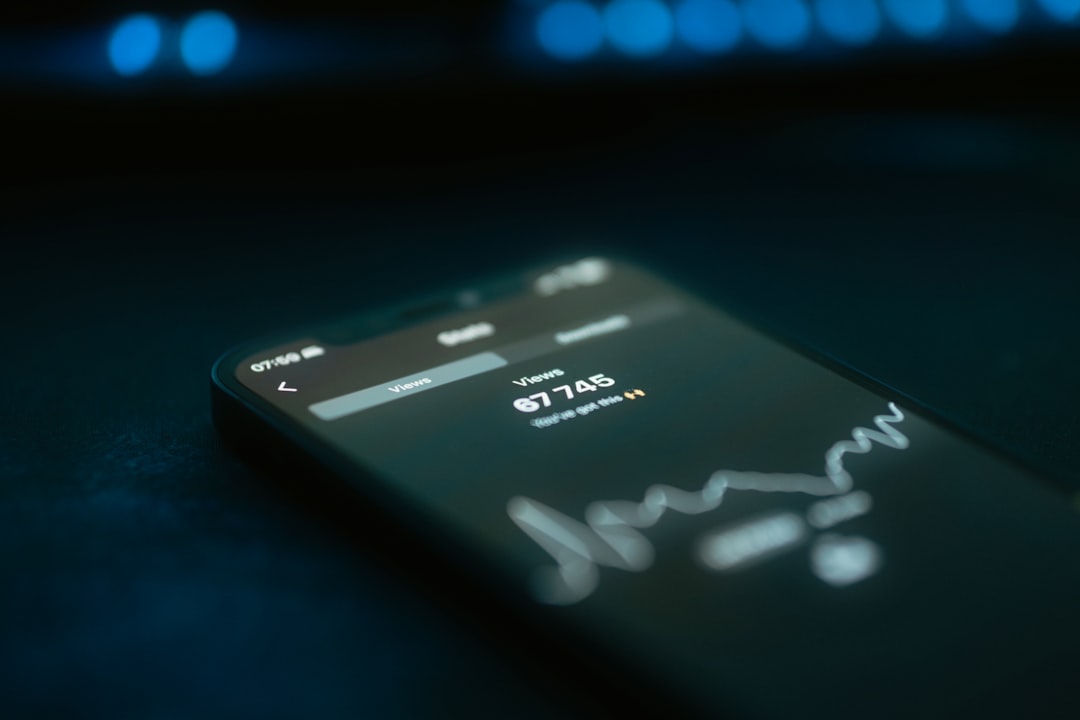
The interface also supports long-term trend analysis, helping users identify patterns over weeks and months. Such longitudinal insight is critical for sustainable lifestyle improvement.
Privacy and Data Responsibility
In an era where personal data is highly sensitive, responsible handling of biometric information is essential. RingConn emphasizes secure data storage and encrypted transmission protocols. Users maintain control over their information within the ecosystem.
Trustworthy wellness devices must combine accurate sensing with transparent policies. The Gen 2 positions itself as a serious health companion rather than a novelty gadget, and its privacy framework reflects this stance.
Who Should Consider the RingConn Gen 2?
This smart ring is especially suitable for:
- Professionals seeking subtle health tracking during work hours.
- Individuals focused on improving sleep quality.
- Fitness enthusiasts interested in recovery optimization.
- Users who dislike wearing bulky watches at night.
It may not replace specialized sports devices for elite training analytics, but for the vast majority of users, it offers a balanced and credible health overview.
The Broader Impact on Wearable Wellness
The introduction of devices like the RingConn Gen 2 signals a broader shift in the wearable industry. Consumers are increasingly valuing comfort, accuracy, and actionable interpretation over flashy screens or constant notifications.
A ring-based tracker represents an evolution toward passive health intelligence—technology that works quietly in the background. By minimizing interruption and maximizing continuous monitoring, it aligns with a more sustainable approach to personal data collection.
Moreover, as sensor capabilities improve, the potential applications expand. Early detection of stress overload, improved sleep interventions, and deeper recovery guidance could significantly influence preventative health strategies.
Conclusion
The RingConn Gen 2 stands as a compelling example of how wearable technology can mature beyond novelty. Its compact design conceals a sophisticated system capable of tracking sleep stages, heart rate variability, stress levels, activity balance, and temperature trends with impressive consistency.
By focusing on comfort, data accuracy, battery longevity, and user-friendly interpretation, it addresses many of the limitations that have restricted earlier wearables. The result is a smart ring that integrates effortlessly into daily routines while delivering serious wellness insights.
For individuals committed to understanding and improving their health without sacrificing convenience, the RingConn Gen 2 offers a well-engineered, trustworthy solution that genuinely redefines what wellness tracking can look like.