
Running a startup is exciting. It is fast. It is chaotic. One day you are hiring your second employee. The next day you are onboarding ten more. In the middle of all that growth, you still need to know who is working on what, how long tasks take, and where time (and money) goes. That is where employee tracking software steps in.
TLDR: Employee tracking software helps startups stay organized, productive, and profitable. It shows how time is spent, improves accountability, and makes remote work easier to manage. It also helps with payroll, project planning, and spotting problems early. For growing businesses, it turns guesswork into smart decisions.
Let’s break down the six key benefits in a simple and fun way.
1. Clear View of Where Time Goes
Time is money. Especially in a startup.
When your team is small, you can easily see what everyone is doing. But as you grow, things get blurry. Meetings multiply. Projects overlap. Deadlines get tight.
Employee tracking software shows you the full picture.
- Who is working on which task
- How long projects actually take
- Where time gets wasted
- Which tasks eat up the most hours
This visibility is powerful. It helps founders and managers answer big questions.
Are we underpricing our services?
Are we spending too much time on small tasks?
Do we need more staff for a specific project?
Instead of guessing, you know.
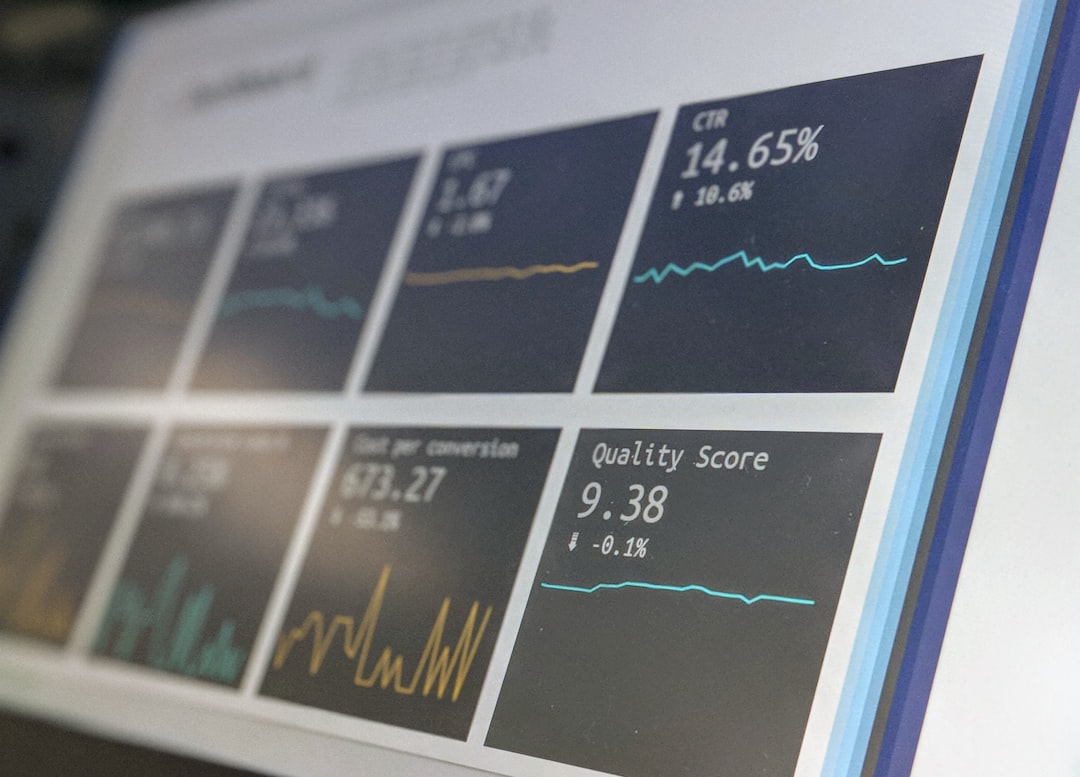
For example, imagine your design team logs 15 hours on a project you estimated at 8. That is a red flag. Now you can adjust your pricing or timelines before it hurts your margins.
Startups survive on smart decisions. Data makes those decisions easier.
2. Boosted Productivity (Without Micromanaging)
Let’s clear up a myth.
Employee tracking software is not about spying. It is about clarity.
When employees know their time is tracked, something interesting happens. They become more focused. Not because they are scared. But because they are aware.
It is like going to the gym with a fitness tracker. You naturally try a bit harder.
Here is how tracking tools boost productivity:
- They reduce time spent on distractions
- They encourage better task planning
- They highlight bottlenecks in workflows
- They promote ownership of tasks
Plus, many tools show employees their own performance data. This creates transparency. People can see how they are doing. They can improve on their own.
For startups, this is gold. You want self-motivated teams. You want builders. Not babysitting sessions.
The right tracking software supports that culture. It builds accountability without constant check-ins.
3. Easier Remote and Hybrid Work Management
Remote work is no longer a trend. It is normal.
Startups especially love remote teams. You can hire talent from anywhere. You save on office costs. You scale faster.
But remote work has one big challenge: visibility.
When your team is spread across cities or even continents, you cannot just walk over to someone’s desk.
Employee tracking software solves that problem.
- It shows login and logout times
- It tracks active work hours
- It monitors progress on shared projects
- It keeps communication aligned

Now you can manage results instead of faces in an office.
This is especially important for growing businesses. As the team expands, coordination gets harder. Tracking tools create a digital command center. Everything is visible in one place.
And the best part? You do not need to constantly ask, “Hey, where are we on this?”
The system already tells you.
4. Simple and Accurate Payroll
Payroll mistakes are expensive. And awkward.
Overpay someone? That hurts your budget.
Underpay someone? That hurts trust.
Startups often start with manual timesheets. Spreadsheets. Messages in Slack. Notes in random documents. It works for a while. Then it becomes messy.
Employee tracking software automates this process.
- Hours are recorded in real time
- Overtime is calculated automatically
- Leave and breaks are logged
- Reports are ready for payroll processing
No more chasing employees for timesheets. No more last-minute corrections.
For service-based startups, this is even more powerful. You can track billable vs non-billable hours. That means accurate client billing.

The result? Fewer errors. Faster payments. Happier employees.
And when employees trust payroll, they trust leadership more.
5. Smarter Project Planning and Resource Allocation
Growing businesses face one big puzzle: resource allocation.
Who should work on what?
Do we have enough capacity?
Are we overloading certain team members?
Without real data, planning is just educated guessing.
Employee tracking software gives you historical insights. You can see:
- How long past projects took
- Which employees handle tasks fastest
- Where delays usually happen
- When workloads spike
This helps you plan better future projects.
For example, if marketing campaigns consistently take 30% longer than expected, you can adjust timelines. Or assign more people. Or refine your workflow.
You also protect your team from burnout. Tracking tools can show if someone is logging excessive hours week after week. That is an early warning sign.
Happy teams perform better. Burned-out teams quit.
For startups, employee retention is critical. Every person matters.
6. Better Decision-Making with Real Data
Startups move fast. Decisions are constant.
Should we hire another developer?
Should we raise our prices?
Should we drop a certain service?
Employee tracking software gives you numbers to support those decisions.
Let’s say:
- Your team is consistently at 95% capacity
- Overtime hours are rising
- Project deadlines are getting tighter
That data clearly signals it is time to hire.
Or maybe you discover that a certain type of client requires double the average support hours. Now you know to raise rates for that segment.
Data removes emotion from tough calls.
It also helps during investor conversations. Investors love metrics. When you can show productivity trends, efficiency improvements, and utilization rates, you look organized and scalable.
That builds confidence.
Common Concerns (And Why They Are Manageable)
Some founders worry about trust issues. They think tracking tools may feel intrusive.
That depends on how you use them.
Here are a few best practices:
- Be transparent. Explain why you are using the tool.
- Focus on improvement, not punishment.
- Track work, not personalities.
- Share insights with the team.
When employees understand the goal is efficiency and fairness, not spying, acceptance rises quickly.
Culture always matters more than software.
Why Startups Benefit More Than Big Corporations
Large corporations have layers of management. Big budgets. Dedicated HR teams.
Startups do not.
Every wasted hour hits harder. Every payroll mistake matters more. Every bad hire is expensive.
That is why employee tracking software is especially valuable for growing businesses. It acts like a silent operations manager. It keeps things organized while you focus on strategy and growth.
It also scales with you. What works for a 5-person team can still work at 50 or even 200 employees.
You build strong systems early. That prevents chaos later.
Bringing It All Together
Let’s recap the six big benefits:
- Clear visibility into time usage
- Improved productivity without micromanaging
- Smooth remote work management
- Accurate payroll and billing
- Better project planning
- Smarter data-driven decisions
All of these add up to one thing: control.
Not control in a strict way. But control in a smart way.
You understand your business better. You spot problems earlier. You fix inefficiencies faster.
And in the startup world, speed matters.
Final Thoughts
Growth is exciting. But it can also be overwhelming.
Employee tracking software gives you clarity in the chaos. It replaces guesswork with facts. It supports accountability. It encourages productivity. And it keeps your team aligned as you scale.
Used correctly, it does not hurt culture. It strengthens it.
For startups and growing businesses, that combination of visibility, fairness, and smart planning can be the difference between surviving and thriving.
In short, when you track wisely, you grow wisely.