


The explosion of AI-powered video creation has dramatically reshaped the motion graphics landscape. What once demanded hours inside complex timelines now happens in minutes with text prompts, automated rotoscoping, and generative fills. While Runway has become one of the most recognizable platforms in this space, it is far from the only serious contender. A growing ecosystem of competitors is pushing the boundaries of what creators, agencies, and studios can do with artificial intelligence and video editing.
TL;DR: Several powerful platforms now compete directly with Runway in AI-driven motion graphics and video editing. Pika Labs, Adobe Firefly with Premiere Pro, Kaiber, and Descript each offer unique strengths—from cinematic generative video to AI-driven editing workflows. Your ideal choice depends on whether you prioritize creative experimentation, professional pipelines, storytelling tools, or social-ready content production. Understanding their feature sets can help you choose the right platform for your needs.
Below, we explore four standout Runway competitors that are redefining the AI video editing space, breaking down their strengths, ideal user profiles, and distinguishing features.
1. Pika Labs
Pika Labs has rapidly gained attention for its focus on high-quality AI-generated video from text and image prompts. Originally starting as a Discord-based tool, Pika has evolved into a powerful web platform that appeals to both indie creators and professional motion designers.
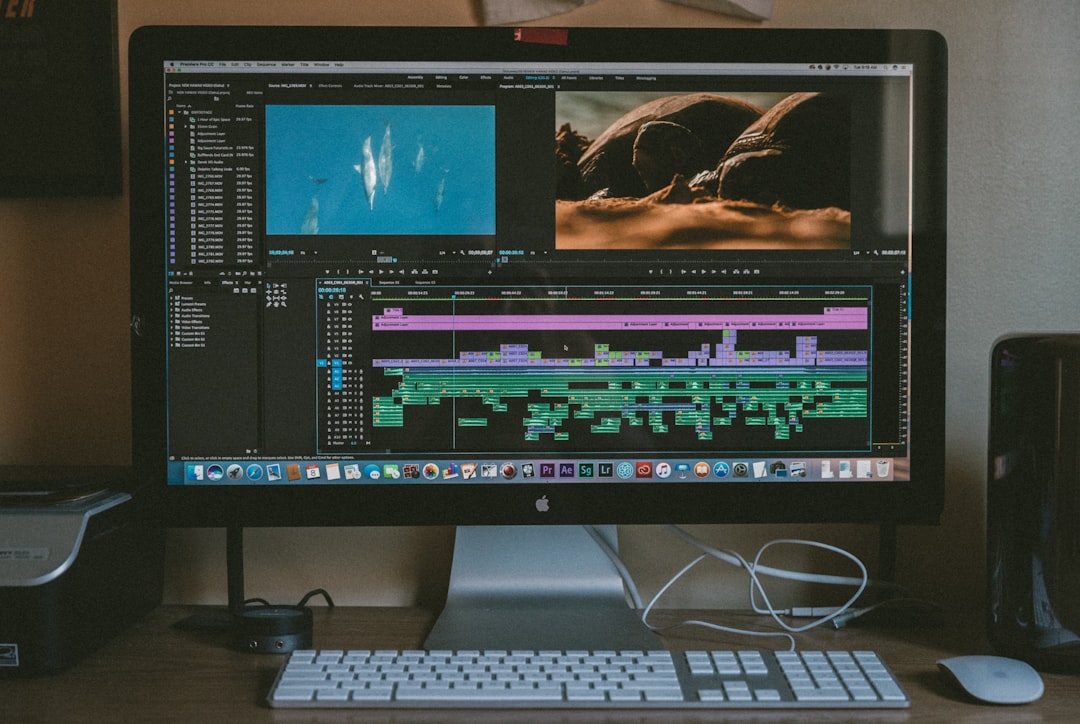
What Makes Pika Stand Out?
- Text-to-video generation with stylistic controls
- Image-to-video animation for concept art and marketing assets
- Strong cinematic rendering capabilities
- Intuitive user interface designed for rapid iteration
Pika emphasizes creativity and experimentation. Users can input detailed prompts and generate short, high-impact clips suitable for social media, product teasers, music visuals, or short narratives. Unlike traditional editing software, Pika is less about timeline manipulation and more about idea generation and visual exploration.
Best for:
- Creative agencies
- Concept artists
- Social media marketers
- Indie filmmakers prototyping scenes
Where it competes with Runway most directly is in generative video synthesis. However, Pika tends to focus more on artistic styles and short-form outputs rather than comprehensive editing pipelines.
2. Adobe Firefly + Premiere Pro
Adobe has strategically integrated Firefly AI capabilities into its flagship tools, including Premiere Pro and After Effects. This combination makes Adobe one of the most formidable competitors to Runway—particularly in professional environments.
Core AI Features
- Generative Extend to lengthen clips naturally
- AI-based object removal and scene cleanup
- Automatic captioning and transcription
- Text-based editing inside Premiere Pro
- Advanced rotoscoping with Rotobrush AI
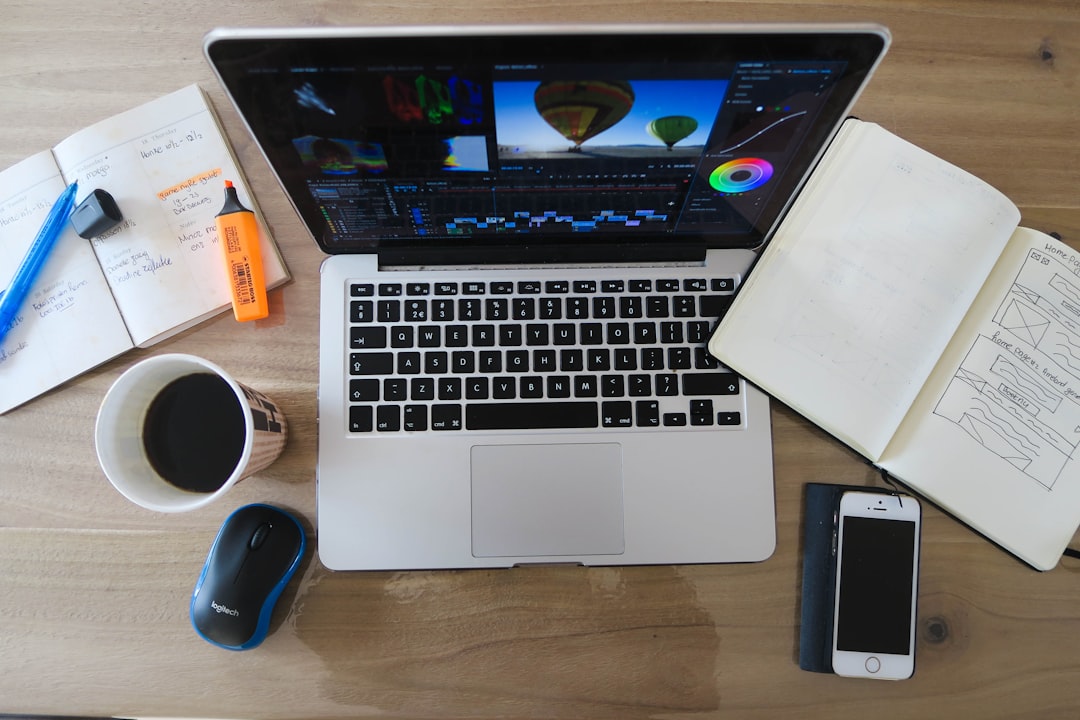
Unlike standalone AI platforms, Adobe integrates these capabilities directly into existing workflows. For motion designers and editors already embedded in Creative Cloud ecosystems, this offers a seamless transition into AI-enhanced productivity.
Why it’s powerful:
- No need to export to external tools
- Enterprise-grade collaboration tools
- Broadcast-quality output standards
- Deep customization and third-party plugin support
Although Adobe’s generative video models may not always match the experimental flair of purpose-built AI startups, they excel in precision, reliability, and compatibility. For studios working on commercials, documentaries, or branded content, this reliability often outweighs bleeding-edge novelty.
Best for:
- Professional editors
- Post-production houses
- Corporate content teams
- Broadcast studios
3. Kaiber
If your focus leans toward stylized visuals and music-driven content, Kaiber is an exciting Runway alternative. The platform is especially popular among musicians, digital artists, and creators producing visually dynamic short videos.
Key Capabilities
- Audio-reactive AI visuals
- Style transfer tools for consistent aesthetics
- Storyboard-based scene planning
- Simplified prompt guidance
Kaiber thrives in the space between motion graphics and music visualization. It allows users to connect sound with generative animation in a way that feels cohesive rather than random.
Advantages over Runway:
- More intuitive for music-driven projects
- Strong visual coherence for stylized outputs
- Streamlined creative pipeline for short-form visuals
However, Kaiber is not designed as a comprehensive editing suite. Instead, it acts as a creative engine for striking, AI-enhanced clips that can later be brought into traditional editors.
Best for:
- Music video creators
- Experimental artists
- Social-first content producers
- VJs and live event designers
4. Descript
While Descript may not immediately appear to compete with Runway at first glance, its AI-powered editing system makes it a major player in video transformation workflows. Descript takes a text-first approach to video editing.
Game-Changing Features
- Editing video by editing a transcript
- AI voice cloning (Overdub)
- Automatic filler word removal
- Multi-track podcast and video editing
- Screen recording with AI polishing tools
Descript excels at simplifying long-form content editing. Instead of scrubbing through a timeline, users simply modify text—and the underlying media adjusts automatically. For marketers, educators, and podcasters, this dramatically speeds up workflow.
Why it competes with Runway:
- AI-driven automation
- Generative speech capabilities
- Faster production cycles
Though Descript lacks high-end generative animation features, it dominates in content reformatting, dialogue editing, and scalable video production.
Best for:
- Podcast creators
- YouTubers
- Marketing teams
- Online educators
Feature Comparison Chart
| Platform | Generative Video | Timeline Editing | Best For | Ease of Use | Professional Output |
|---|---|---|---|---|---|
| Pika Labs | Advanced text to video | Limited | Creative experimentation | High | Moderate to High |
| Adobe Firefly + Premiere | Integrated AI tools | Full professional suite | Studio production | Moderate | Very High |
| Kaiber | Stylized music visuals | Minimal | Music and short-form content | High | Moderate |
| Descript | Limited generative visuals | Transcript-based editing | Dialogue and long-form content | Very High | High for digital platforms |
Choosing the Right Platform
No single platform fully replaces Runway across every use case. Instead, each competitor excels in different creative and production scenarios.
Ask yourself:
- Do you need high-quality generative visuals? → Pika Labs
- Are you working in professional post-production? → Adobe
- Is your focus music visualization? → Kaiber
- Do you edit interviews, podcasts, or webinars? → Descript
In many modern workflows, creators combine multiple tools. For example:
- Generate visuals in Pika or Kaiber
- Refine and composite in Premiere Pro
- Edit dialogue and structure in Descript
This modular approach represents the future of AI video production—specialized tools working together rather than one monolithic platform doing everything.
The Bigger Picture: AI’s Role in Motion Graphics
The rise of Runway and its competitors signals a broader transformation in motion graphics. AI is not replacing artists—it is augmenting them. Tasks that once required deep technical skills, such as rotoscoping or scene cleanup, are becoming automated. This frees creatives to focus on storytelling, direction, and aesthetics.
We are witnessing a shift from manual execution to creative orchestration. The most successful professionals are those who understand how to guide AI effectively rather than those who rely solely on automation.
As generative models mature, expect:
- Longer, more stable AI-generated clips
- Improved character consistency
- Integrated 3D environment generation
- Deeper collaboration between tools
Final Thoughts
Runway may have pioneered accessible AI video editing, but competitors are rapidly closing the gap—and in some cases, surpassing it in specialized areas. Whether you’re crafting stylized music visuals with Kaiber, generating cinematic clips with Pika, refining professional edits in Adobe, or streamlining dialogue with Descript, you now have more creative power at your fingertips than ever before.
The future of motion graphics is no longer just about mastering timelines and keyframes. It is about mastering prompts, workflows, and creative direction. And with these four platforms in the mix, the possibilities are expanding faster than ever.