
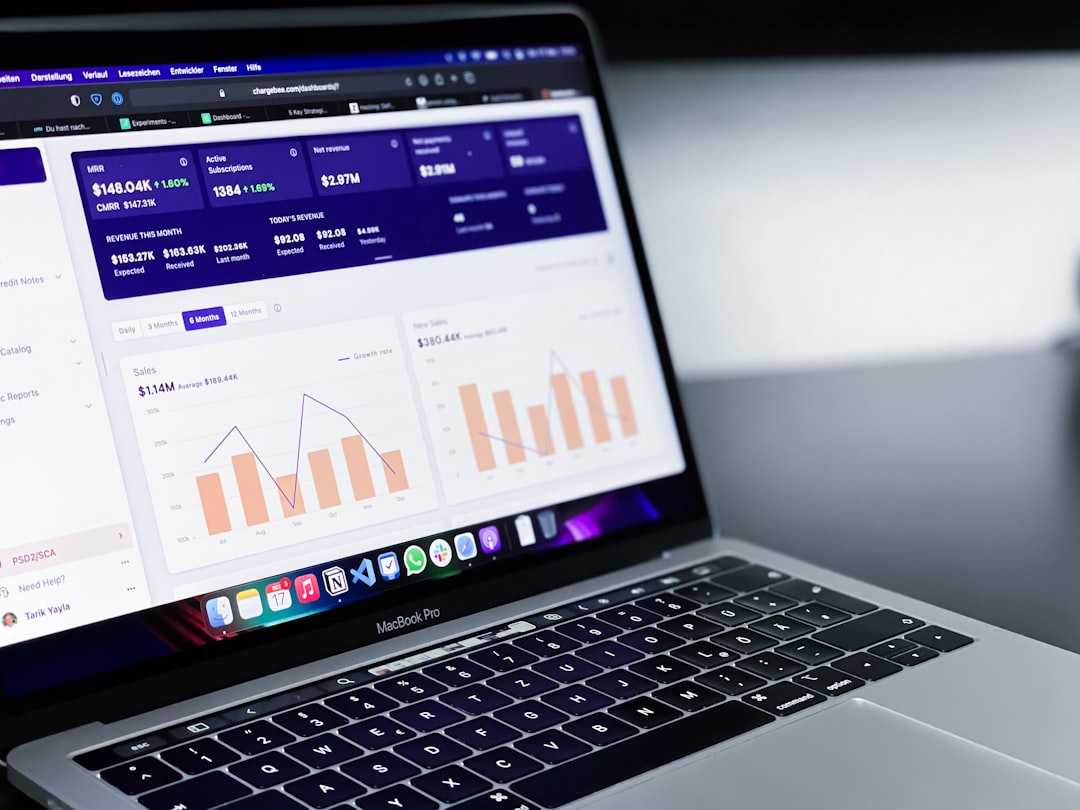
In the fast-moving world of ecommerce, data is everything. From browsing behavior and purchase history to email engagement and customer support interactions, modern brands collect vast amounts of information every day. The challenge is not collecting data—it’s unifying it in a way that creates a single, actionable customer view. That’s where Customer Data Platform (CDP) software tools step in.
TLDR: Customer Data Platforms help ecommerce businesses unify customer data from multiple sources into a single view. This unified data powers personalized marketing, smarter segmentation, and better customer experiences. In this article, we explore four leading CDP tools for ecommerce—Segment, Bloomreach, Salesforce Data Cloud, and Klaviyo CDP—and compare their features, strengths, and ideal use cases.
Ecommerce brands today operate across countless channels: websites, mobile apps, social media, marketplaces, email platforms, payment systems, and more. Without a centralized approach, these data streams remain siloed, leading to inconsistent messaging and missed revenue opportunities. A Customer Data Platform aggregates, cleans, and synchronizes this information into a single customer profile—transforming disconnected data into growth-driving insights.

What Makes a Great CDP for Ecommerce?
Before diving into the tools, it’s important to understand what ecommerce businesses should look for in a CDP. Not all platforms are built the same. The best options typically include:
- Data Integration: Seamless connections to ecommerce platforms like Shopify, WooCommerce, and Magento.
- Real-Time Data Processing: Immediate customer profile updates based on behavior.
- Identity Resolution: Matching multiple data points to a single customer profile.
- Advanced Segmentation: Creating dynamic, behavior-based audiences.
- Activation Capabilities: Sending unified data directly to marketing channels.
With those criteria in mind, here are four powerful CDP software tools transforming ecommerce data unification.
1. Twilio Segment
Best for: Data-first teams and businesses with complex tech stacks.
Segment has earned a reputation as one of the most flexible and developer-friendly CDPs on the market. It acts as a central data hub, collecting information from websites, mobile apps, cloud services, and offline sources, then routing that data wherever it needs to go.
Key Features:
- Extensive integration library (300+ tools)
- Real-time customer data streaming
- Advanced identity resolution
- Data governance and privacy controls
For ecommerce companies with multiple marketing tools and custom applications, Segment simplifies data orchestration. Instead of building numerous custom integrations, brands can connect everything to Segment and manage data flow from one centralized location.
Strength: Exceptional flexibility and scalability.
Consideration: May require technical expertise to implement effectively.
2. Bloomreach Engagement
Best for: Ecommerce brands focused on personalization and AI-driven marketing.
Bloomreach Engagement combines a CDP with marketing automation and AI-powered personalization. It’s specifically tailored to ecommerce businesses, making it particularly strong in product recommendations and behavior-based campaigns.

Key Features:
- AI-powered product and content recommendations
- Omnichannel campaign orchestration
- Predictive analytics and segmentation
- Built-in email and SMS automation
Bloomreach doesn’t just unify data—it activates it. By analyzing shopping patterns and predicting future behavior, it helps brands deliver highly relevant experiences across email, mobile, web, and ads.
Strength: Strong ecommerce-specific AI capabilities.
Consideration: Can be more expensive for smaller retailers.
3. Salesforce Data Cloud
Best for: Enterprises already invested in the Salesforce ecosystem.
Salesforce Data Cloud (formerly Salesforce CDP) brings unified customer data directly into the Salesforce environment. For enterprise ecommerce operations using Salesforce Commerce Cloud, Marketing Cloud, or Service Cloud, the integration is seamless.
Key Features:
- Deep integration with Salesforce products
- Real-time identity resolution
- AI insights powered by Salesforce Einstein
- Enterprise-grade scalability and security
This platform excels in connecting commerce, service, and marketing data at scale. Brands benefit from a unified CRM-driven approach, ensuring sales, marketing, and customer support all operate from the same data foundation.
Strength: Enterprise integration and robust analytics.
Consideration: Most suitable for mid-size to large organizations.
4. Klaviyo CDP
Best for: Growing ecommerce brands focused on email and SMS marketing.
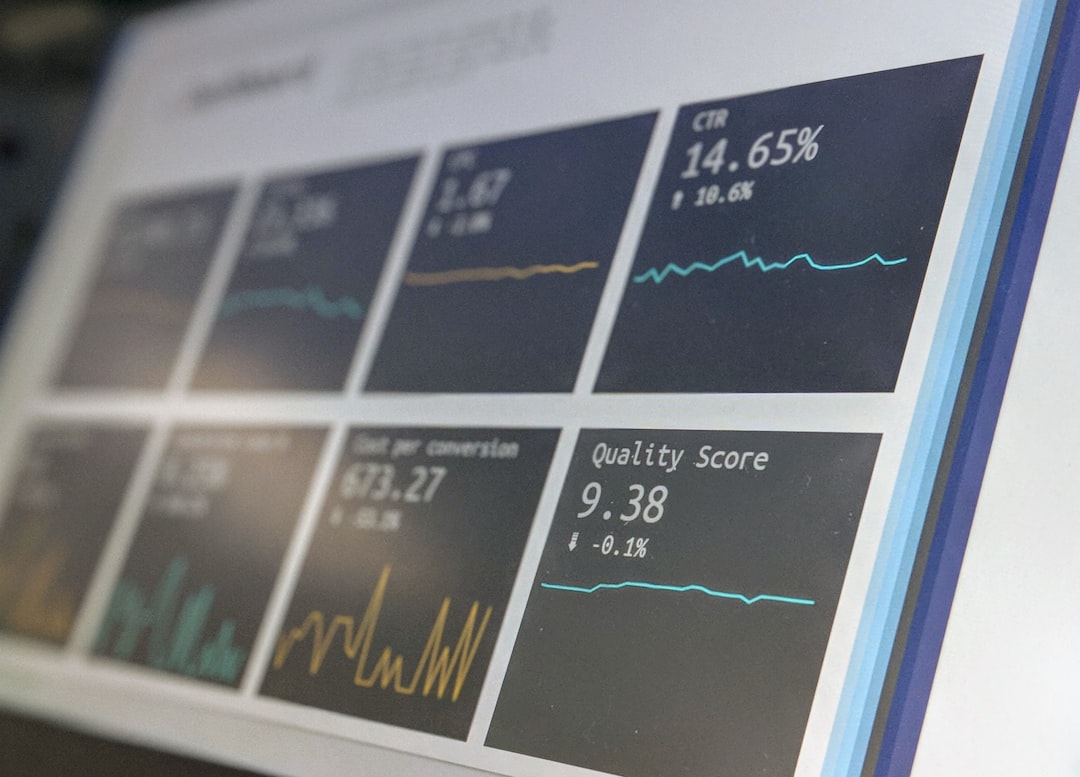
Klaviyo has long been known for email automation in ecommerce, but it has expanded into a powerful CDP. Its built-in data unification capabilities are particularly effective for Shopify and WooCommerce merchants.
Key Features:
- Native ecommerce platform integrations
- Behavioral segmentation
- Email and SMS campaign automation
- Predictive lifetime value analytics
Klaviyo’s strength lies in simplicity and usability. Marketing teams can easily create data-driven campaigns without needing extensive technical support.
Strength: User-friendly with powerful ecommerce insights.
Consideration: Less suitable as a standalone enterprise-wide CDP.
Comparison Chart: Top Ecommerce CDP Tools
| Feature | Segment | Bloomreach | Salesforce Data Cloud | Klaviyo CDP |
|---|---|---|---|---|
| Primary Strength | Data orchestration | AI personalization | Enterprise CRM integration | Email and SMS marketing |
| Ease of Use | Moderate to advanced | Moderate | Advanced | Beginner-friendly |
| Ecommerce Focus | High (flexible) | Very high | High (enterprise) | Very high |
| Real-Time Data | Yes | Yes | Yes | Yes |
| Best For | Custom tech stacks | Personalized campaigns | Large enterprises | SMBs and scaling brands |
How to Choose the Right CDP for Your Ecommerce Business
Choosing the right CDP isn’t about selecting the “most powerful” tool—it’s about selecting the right fit. Consider these factors:
- Business Size: Smaller brands may prioritize ease of use, while enterprises need scalability.
- Existing Tech Stack: Look for native integrations with your ecommerce and marketing tools.
- Internal Expertise: Some CDPs require developer resources for full implementation.
- Primary Goals: Are you focused on personalization, operational efficiency, or enterprise-wide unification?
It’s also wise to evaluate the platform’s approach to data privacy and compliance. With growing global regulations, your CDP must support GDPR, CCPA, and other data protection standards.
The Strategic Advantage of Data Unification
Unified customer data unlocks powerful benefits:
- Improved Personalization: Tailored product recommendations increase average order value.
- Consistent Omnichannel Messaging: Customers receive coherent communications across all touchpoints.
- Smarter Retention Campaigns: Predict churn and proactively engage at-risk shoppers.
- Stronger Analytics: Make data-driven decisions with complete visibility.
In today’s competitive ecommerce landscape, personalization is no longer optional. Customers expect brands to understand their preferences and provide seamless experiences across every interaction. A robust CDP forms the backbone of this capability.
Final Thoughts
Ecommerce growth increasingly depends on how well brands can unify and activate their customer data. Twilio Segment excels in data orchestration flexibility. Bloomreach Engagement stands out for AI-driven personalization. Salesforce Data Cloud delivers enterprise-scale CRM integration. Klaviyo CDP empowers growing brands with intuitive marketing automation.
No matter which platform you choose, the ultimate goal remains the same: transform fragmented customer information into a single, dynamic profile that fuels smarter decisions and richer experiences. With the right CDP in place, ecommerce brands don’t just collect data—they turn it into a competitive advantage.