


Marketing today is like running a relay race. Your customers don’t just click one ad and buy. They scroll on Instagram. They search on Google. They read emails. They might even see a billboard. Then, days later, they finally convert.
So who gets the credit for that sale?
That’s where marketing attribution software comes in. It tracks the entire customer journey across channels. It shows you what’s working. And what’s wasting your budget.
TLDR: Marketing attribution tools help you track customer journeys across multiple channels like ads, email, social, and search. They show which touchpoints actually drive sales. In this article, we break down seven of the best attribution platforms, how they work, and who they’re best for. If you want clearer ROI and smarter ad spending, these tools can help.
Let’s keep it simple. Below are seven powerful marketing attribution platforms that track cross-channel performance and turn messy data into clear insights.
1. HubSpot Marketing Hub
HubSpot is a big name. And for good reason. It combines CRM, marketing automation, and attribution in one place.
This makes it ideal for companies that want everything under one roof.
What it does well:
- Tracks customer journeys across email, social, ads, and website
- Offers multi-touch attribution models
- Connects directly to CRM data
- Easy-to-read dashboards
HubSpot shines for B2B companies. Especially those with longer sales cycles.
You can see how each blog post, email, or ad contributes to revenue. Not just clicks.
Simple. Clean. Powerful.
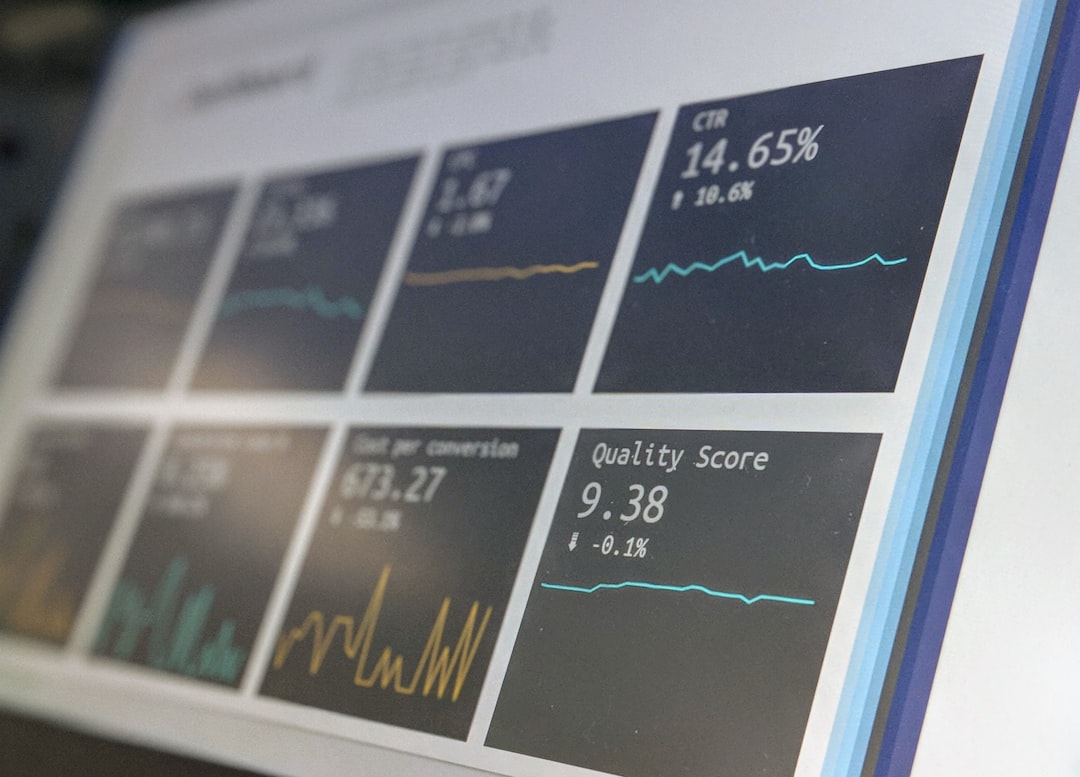
2. Google Analytics 4 (GA4)
GA4 is free. That alone makes it attractive.
But it’s also much smarter than the old Universal Analytics.
Google built GA4 for a world where users jump between devices and platforms.
Why marketers like GA4:
- Tracks cross-device behavior
- Offers data-driven attribution
- Strong integration with Google Ads
- Event-based tracking model
The learning curve? A bit steep.
But once you understand it, you can see how paid search, organic traffic, and referrals work together.
If you already invest heavily in Google Ads, GA4 is a must.
3. Adobe Marketo Measure (Bizible)
This one is built for serious marketers.
Adobe Marketo Measure, formerly Bizible, focuses on B2B attribution.
It connects deeply with CRM systems like Salesforce.
Top features:
- Granular multi-touch attribution
- Advanced revenue tracking
- Custom attribution models
- Enterprise-level reporting
This tool answers big questions.
Like: Which campaign influenced pipeline? Which ads create real revenue, not just leads?
It’s powerful. But it’s not cheap. Best for mid-size to enterprise companies.
4. Dreamdata
Dreamdata is built specifically for B2B revenue teams.
It connects marketing, sales, and revenue data into one clean system.
It doesn’t just show first click or last click. It shows the full story.
Why it stands out:
- Automatic data collection from multiple platforms
- Connects ad spend directly to revenue
- Built-in B2B attribution models
- Account-based marketing support
If your sales team complains that marketing takes too much credit, this tool brings clarity.
Everyone sees the same revenue data.

5. Ruler Analytics
Leads don’t magically turn into revenue.
Ruler Analytics tracks the full journey. From anonymous visitor to closed deal.
It’s especially good for companies that rely on phone calls or offline conversions.
Key strengths:
- Call tracking and attribution
- Connects marketing data with CRM revenue
- Works with Google Ads, Facebook Ads, and more
- Closed-loop reporting
Many attribution tools stop at the lead stage.
Ruler goes further. It ties revenue directly back to the original traffic source.
That’s powerful for service businesses.
6. AppsFlyer
If you’re in the mobile app world, AppsFlyer is huge.
It tracks attribution across mobile apps, web, and even offline sources.
Mobile journeys are complicated. Users jump between devices and install from app stores.
AppsFlyer makes sense of that chaos.
What makes it special:
- Deep mobile attribution tracking
- Fraud protection tools
- Strong integrations with ad networks
- Real-time analytics
Best for mobile-first companies. Or brands running heavy app campaigns.
7. Triple Whale
Triple Whale has exploded in popularity with eCommerce brands.
It’s designed to give Shopify stores a simple, clear view of performance.
iOS privacy changes made tracking harder. Triple Whale helps fill the gaps.
Why eCommerce brands love it:
- Blends multiple attribution models
- Easy visual dashboards
- Tracks Facebook, Google, TikTok, and more
- Built specifically for online stores
You log in. You instantly see what’s profitable.
No complicated setup. No messy spreadsheets.

Quick Comparison Chart
| Platform | Best For | Main Strength | Pricing Level |
|---|---|---|---|
| HubSpot | B2B & SMB | All-in-one CRM + attribution | Mid to High |
| GA4 | All businesses | Free cross-channel tracking | Free |
| Adobe Marketo Measure | Enterprise B2B | Advanced revenue attribution | High |
| Dreamdata | B2B revenue teams | Account-level journey tracking | Mid to High |
| Ruler Analytics | Lead gen & service brands | Closed-loop revenue tracking | Mid |
| AppsFlyer | Mobile apps | Mobile-first attribution | Mid to High |
| Triple Whale | eCommerce | Shopify-focused dashboards | Mid |
What Makes Great Attribution Software?
Here’s what to look for.
- Multi-touch models – Not just first or last click.
- Cross-channel tracking – Ads, email, organic, social.
- CRM integration – Revenue matters more than clicks.
- Easy reporting – Clear dashboards save time.
- Privacy compliance – Cookie changes are real.
The best tool depends on your business type.
B2B companies need deep CRM connections.
eCommerce brands need fast ad clarity.
Mobile apps need install-level precision.
Why Cross-Channel Attribution Matters More Than Ever
Customer journeys are no longer straight lines.
They are zigzags.
A person might:
- See a Facebook ad
- Search your brand on Google
- Read reviews
- Click an email days later
- Convert after a retargeting ad
If you only credit the last click, you miss the bigger picture.
And you might shut off campaigns that are actually working.
That’s expensive.
Final Thoughts
Marketing attribution used to be optional.
Now it’s essential.
Ad costs are high. Privacy rules are stricter. Budgets are watched closely.
You need to know what drives revenue. Not guesses. Not gut feelings.
The good news? There’s a platform for every business size and model.
Whether you’re running a B2B SaaS company, scaling an eCommerce brand, or launching a mobile app, one of these tools can help connect the dots.
Track smarter. Spend smarter. Grow faster.
That’s the power of true cross-channel marketing attribution.