

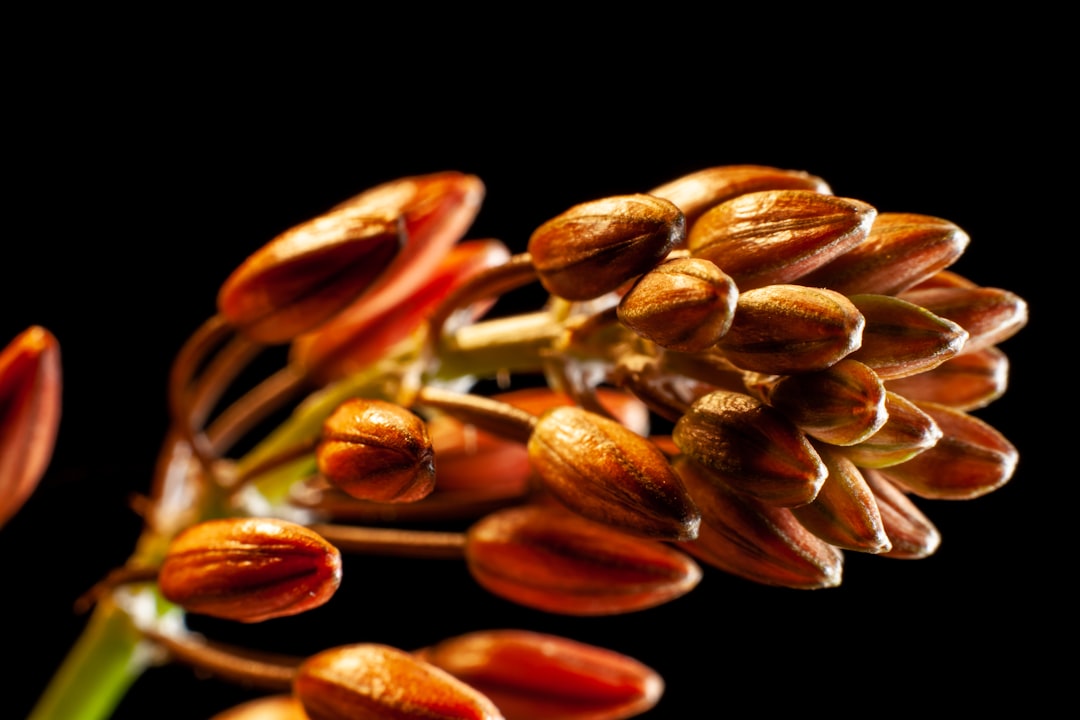
As wellness continues to rise in priority for individuals in 2026, natural and time-tested remedies like fenugreek have gained renewed attention. Known for its impressive range of health benefits and culinary diversity, fenugreek—a humble herb native to South Asia and the Mediterranean—offers powerful support for a wide array of daily needs, from hormonal balance to digestive health.
TLDR (Too Long, Didn’t Read)
Fenugreek is a nutrient-packed herb with a rich history in both traditional medicine and cuisine. In 2026, it’s recognized for helping regulate blood sugar, support lactation, improve digestion, and promote hormonal balance. Whether taken as a supplement, used in cooking, or brewed as a tea, it’s an accessible way to enhance everyday wellness. Safe for most people when used correctly, it can be a cornerstone of a natural health regimen.
What is Fenugreek?
Fenugreek (Trigonella foenum-graecum) is a small green plant with light green leaves and small white flowers. The seeds, which are the most commonly used part, have a slightly bitter taste and a distinctive maple syrup-like aroma. Traditionally used in Ayurvedic and Chinese medicine, modern research is now validating many longstanding claims associated with fenugreek.
Top Health Benefits of Fenugreek in 2026
1. Blood Sugar Management
Fenugreek is particularly effective in regulating blood sugar levels, making it a powerful ally for those managing type 2 diabetes and insulin resistance. Research in the past few years, including 2025 clinical trials, has shown that its high fiber content slows down carbohydrate digestion and sugar absorption, which helps stabilize blood glucose spikes.
2. Lactation Support
An age-old remedy for increasing breast milk production, fenugreek is still widely recommended by healthcare professionals for nursing mothers. Its galactagogue properties help stimulate milk ducts, often producing results in as little as 24–72 hours after taking it.
3. Hormonal Balance
Fenugreek may help balance estrogen and testosterone levels in men and women. Some new supplements on the 2026 market blend fenugreek with minerals like zinc and magnesium, further enhancing its hormone-regulating properties to support libido, mood, and overall vitality.
4. Weight Management
The natural fibers in fenugreek seeds help promote a feeling of fullness, which can reduce overall food intake. Added to smoothies, teas, or meals, fenugreek is now being recognized by nutritionists as a smart addition to weight loss and weight maintenance diets.
5. Digestive Wellness
Its mucilaginous (gel-like) fiber soothes the gastrointestinal tract and helps alleviate indigestion, constipation, and acid reflux. In 2026, many digestive health teas and snacks include ground fenugreek as a soothing agent.
6. Anti-Inflammatory and Antioxidant Properties
Rich in flavonoids and saponins, fenugreek exhibits strong anti-inflammatory and antioxidant functions. This helps protect cells from oxidative stress and reduces the risks of chronic illnesses such as heart disease and arthritis.
Common Uses of Fenugreek
Culinary: In many cultures, fenugreek seeds or leaves are used in curries, soups, and stews. Their slightly bitter, nutty taste pairs well with meat dishes, vegetables, and lentils.
Supplements: Capsules, extracts, and powders are convenient for targeted health benefits like hormone regulation or muscle strength enhancement.
Tea: Brewing fenugreek seeds into tea is a simple way to benefit from its anti-inflammatory and digestive-supportive effects.
Topical Uses: Fenugreek paste is increasingly used in 2026 as a natural skin treatment for acne, dry skin, and inflammation.
Homemade Remedies: Fenugreek is often mixed with honey, ginger, or lemon to create natural syrups for sore throats or coughs.
Tips for Integrating Fenugreek into Everyday Wellness Routines
- Add to morning smoothies: Half a teaspoon of fenugreek powder adds nutritional value and digestive ease.
- Start your day with fenugreek tea: Soak 1–2 teaspoons of seeds overnight and boil in the morning for a nutritious tonic that supports blood sugar balance.
- Include in cooking: Use whole seeds in rice or stir-fries, or sprinkle dried leaves (kasuri methi) into soups and sauces.
- Use topically: Make a face mask with fenugreek powder and yogurt to gently cleanse and nourish the skin.
- Monitor for reactions: Though safe for most, a small percentage may be allergic or sensitive, especially when using it topically or in high supplemental doses.
Who Should Use Fenugreek?
Fenugreek is generally considered safe for most adults when used appropriately. However, it’s particularly beneficial for:
- Individuals with type 2 diabetes or prediabetes
- Breastfeeding mothers requiring lactation support
- Men and women experiencing hormonal imbalances
- Those with digestive concerns such as bloating or indigestion
- People looking to improve cholesterol profiles and reduce inflammation

Precautions and Possible Side Effects
As with any natural remedy, moderation is key. Excessive intake of fenugreek can cause side effects such as:
- Digestive upset (gas, bloating, or diarrhea)
- Maple syrup-like odor in sweat and urine
- Allergic reactions, especially in people with peanut or legume allergies
- Possible interference with blood-thinning or diabetic medications
Pregnant women should consult a healthcare provider before using fenugreek, as it may stimulate uterine contractions in high doses.
Buying and Storing Fenugreek
In 2026, fenugreek is available in most health stores and online marketplaces in various forms—capsules, teas, powders, and whole seeds. When buying, choose organic and pesticide-free options for maximum purity.
Storage tips:
- Keep seeds and powders in a cool, dark place in an airtight container.
- Dried leaves should be stored away from moisture to prevent mold.
- Supplements should be used before the expiration date for optimal potency.
FAQ: Fenugreek Benefits and Usage
- Q: How long does it take to see results from fenugreek supplements?
- Most people begin to notice changes—especially in areas like lactation or digestion—within 2 to 5 days of consistent use.
- Q: Can I take fenugreek every day?
- Yes, daily use is generally safe for most individuals, but it’s best to follow dosage instructions on product labels or consult your healthcare provider.
- Q: Can fenugreek help with hair health?
- Yes, fenugreek seed powder mixed with coconut oil or yogurt can be used as a natural hair mask to reduce dandruff and promote shine.
- Q: Is it safe to take fenugreek with other medications?
- Discuss with your healthcare provider, especially if you’re on diabetic or anticoagulant medications, as fenugreek may interact with them.
- Q: What’s the best form of fenugreek to take in 2026?
- It depends on your needs—powders work well for smoothies, teas suit digestion, and capsules offer convenience for consistent dosing.
From morning tea rituals to powerhouse supplements, fenugreek has earned a significant place in the 2026 wellness landscape. With a growing body of research and centuries of use behind it, this small but mighty herb continues to prove its worth in modern health routines.