


Getting help for your mental health used to mean driving to an office, sitting in a waiting room, and hoping the therapist had a good chair. But not anymore! With telehealth therapy, you can get support from your couch, your car, or even your kitchen table. It’s therapy, reimagined for the digital age.
TLDR:
Telehealth therapy brings mental health support to your home (or wherever you are). It’s easier, faster, and often more affordable than traditional therapy. It breaks barriers and makes care accessible to more people. The future looks bright—and virtual!
What is Telehealth Therapy?
Telehealth therapy means talking to a licensed therapist using video calls, phone calls, or even texting. Instead of going to an office, sessions happen online or over the phone. All you need is a device and an internet connection.
Why is It So Popular?
There are many reasons people are turning to telehealth. Here are some of the big ones:
- Convenience: No commute. No waiting rooms. You can wear pajamas.
- Accessibility: Great for people in small towns or with limited transport.
- Flexibility: Easier to fit into lunch breaks or after bedtime routines.
- Affordability: Often cheaper than in-office visits.
Telehealth helps people who once thought therapy was out of reach. Whether you’re a busy parent, a shy teen, or someone without a local therapist nearby, it opens new doors.
Who Can Benefit Most from Telehealth Therapy?
Spoiler alert: almost everyone. But some groups benefit a little extra:
- Teens and young adults: They’re more comfortable online anyway!
- People with mobility issues: No need to travel or worry about accessibility.
- Rural communities: Avoid long drives to the nearest city clinic.
- People with anxiety: Being at home can make opening up easier.
Telehealth makes therapy less intimidating. When you feel safe and comfortable, it’s easier to connect and grow.
How Telehealth Improves the Therapy Process
Believe it or not, therapy through a screen can still be personal and powerful. Here’s how it levels up mental health care:
- More Consistency: Bad weather or car trouble won’t cancel your session.
- Choice of Provider: You can pick the therapist who fits you best—even if they’re hundreds of miles away.
- Private and Discreet: No one sees you walking into a clinic.
- Creative Tools: Therapists can use apps, whiteboards, or interactive exercises during sessions.
Some platforms even offer support between sessions. Journaling, goal-checking, and guided meditations are just a tap away.
Is Telehealth Therapy Effective?
Great question—and yes! Studies show telehealth therapy is just as effective as in-person care for many types of mental health issues, like:
- Anxiety
- Depression
- PTSD
- Stress management
- Relationship challenges
The key is finding a licensed, trained therapist and being willing to engage in the process.

How Safe and Private is It?
Very. Reputable platforms use strong encryption and HIPAA-compliant systems to keep your info safe. Therapists also set up private spaces to make sure your session stays confidential.
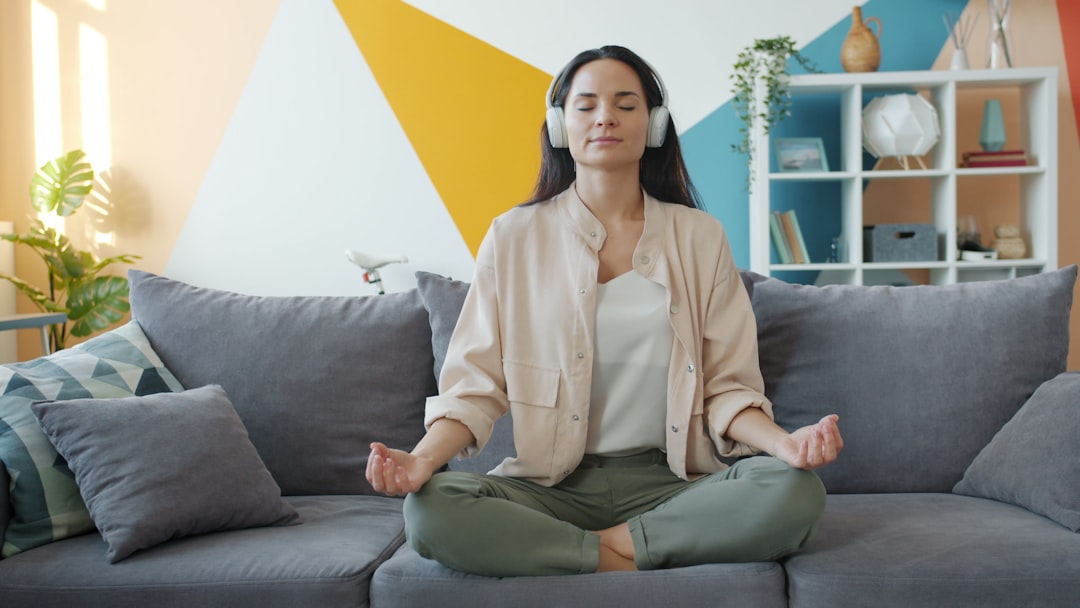
Tip: Make sure you have a quiet, private spot on your end too. Headphones can help!
Challenges to Consider
Of course, it’s not all sunshine and good Wi-Fi. Some things to think about:
- Tech issues: Glitchy connections can interrupt your session.
- Lack of body language: It can be harder to read non-verbal cues.
- Not ideal for all cases: Those with severe mental health conditions may need in-person support.
But for many, these are small trade-offs for the big benefits.
The Future of Telehealth Therapy
The growth of telehealth therapy isn’t slowing down. In fact, the pandemic showed it’s not only useful during emergencies—it’s a long-term solution. What’s coming next? Glad you asked!
Cool things on the horizon:
- Virtual reality sessions: Imagine doing guided meditation in a peaceful forest created by VR. Amazing!
- AI-assisted therapy tools: Chatbots and mood trackers can support your journey between sessions.
- Global access: Future platforms may offer multilingual, international therapy options at your fingertips.
As tech improves, so will the personalization and power of telehealth therapy.
Tips to Get Started
If you’re thinking about trying telehealth therapy, here are a few quick tips:
- Find a respected platform: Look for positive reviews and licensed professionals.
- Test your tech: Make sure your internet, camera, and microphone work smoothly.
- Create a cozy space: Pick a place where you feel relaxed and won’t be interrupted.
- Be honest: It’s okay to be nervous. Tell your therapist how you’re feeling about virtual therapy.
Starting therapy is a brave step no matter how you do it. Be proud of yourself!
Final Thoughts
Telehealth therapy is changing the way we think about mental health. It’s more accessible, more flexible, and totally modern. For many people, it’s the easiest and most comfortable way to start healing.
And the future? It looks even better. More tech, more options, and more care—right when and where you need it.
Whether it’s your first therapy session or your fiftieth, give virtual therapy a shot. Your mental health deserves that kind of support.