

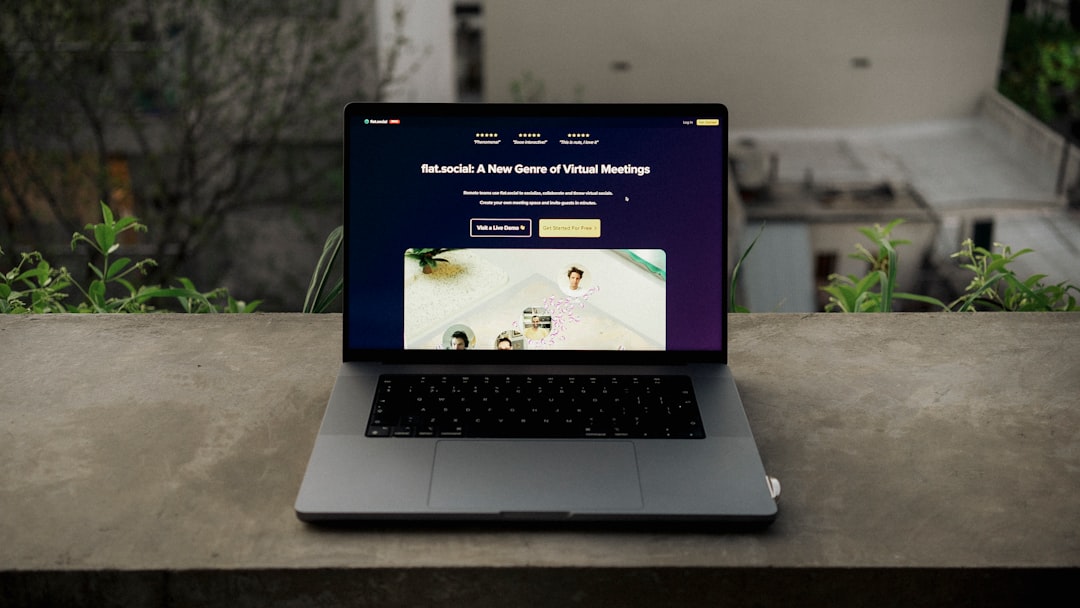
Creating a website for your small business has never been more essential — or more accessible. With numerous website building platforms available today, even business owners with no background in coding can establish professional and attractive websites. However, not all website builders are equally suited for small businesses, particularly those with tight budgets, limited time, and no technical background. That’s why it’s crucial to choose the right platform that balances ease of use, functionality, and value for money.
TLDR (Too Long; Didn’t Read)
Small business owners without coding skills can still build professional websites using modern website builders. Platforms like Wix, Squarespace, Shopify, and Weebly offer intuitive drag-and-drop interfaces, customizable templates, and built-in tools tailored for business needs. Each builder excels in different areas—ecommerce, design, or ease of use—so the best choice depends on your specific business goals. In this guide, we explore top platforms and what sets them apart to help you make an informed decision.
What to Look for in a Website Builder for Small Businesses
Not all website builders are created equal, and small businesses have unique needs. When choosing the right platform, consider the following criteria:
- Ease of Use: Drag-and-drop functionality and intuitive menus help those with no technical background build and customize a full site.
- Design and Templates: A wide selection of industry-specific, mobile-friendly templates is essential for a professional look.
- Pricing and Value: Consider what each tier actually includes—domain name, hosting, SSL certificates, and ecommerce features.
- SEO and Marketing Tools: Built-in SEO optimization, social media integration, and analytics help businesses grow online.
- Customer Support: Fast, reliable help via chat, email, or phone when you’re stuck is incredibly valuable.
Top Website Builders for Small Businesses with No Coding Skills
1. Wix – Most Versatile Option
Wix stands out for its flexibility and wide range of features. It’s ideal for small businesses that want full creative control without the need to touch code.
- Pros: Hundreds of customizable templates, a robust app market, and built-in tools for SEO, blogging, and ecommerce.
- Cons: Too many options can be overwhelming for some users. Once a template is selected, it’s hard to switch without redesigning.
Best For: Businesses that want an all-in-one solution with deep customization features.

2. Squarespace – Best for Design and Branding
Squarespace is known for its beautifully crafted templates and user-friendly interface, making it a popular choice among creatives and business owners who prioritize aesthetic appeal.
- Pros: High-quality templates, seamless design tools, and strong support for portfolios and product showcases.
- Cons: Limited third-party app integration compared to other builders and modest learning curve for certain tools.
Best For: Businesses focused on visual branding, such as photographers, designers, or boutique retailers.
3. Shopify – Best for Ecommerce
If your small business is primarily focused on selling products online, Shopify is hard to beat. It was built with ecommerce in mind and offers scalability along with ease of use.
- Pros: Powerful inventory management, scalable plans, and a wide range of ecommerce tools.
- Cons: Monthly fees can be higher, and certain advanced features may require additional apps or plugins.
Best For: Businesses whose primary function is ecommerce—whether local or global.

4. Weebly – Best for Simplicity
Owned by Square (formerly SquareSpace), Weebly is known for its simplicity and straightforward setup. It’s an excellent choice for business owners who want to get their website online quickly and without much hassle.
- Pros: Easy-to-use drag-and-drop interface, affordable pricing tiers, and solid ecommerce tools through Square integration.
- Cons: Limited design flexibility compared to Wix and Squarespace, and fewer advanced features.
Best For: Restaurants, local services, or any business needing a basic yet functional web presence.
5. GoDaddy Website Builder – Best All-in-One Business Tool
GoDaddy has improved significantly in recent years with its website builder offering. It emphasizes all-in-one functionality and fast publishing, which is especially useful for small businesses in a rush.
- Pros: Built-in marketing tools, email integration, simplified setup, and 24/7 customer support.
- Cons: Limited customization and design somewhat rigid when compared to more creative-oriented platforms.
Best For: Small businesses that prioritize speed and efficiency over in-depth customization.
Honorable Mentions
Zyro
Zyro is a newer builder gaining popularity for its AI-driven tools and incredibly affordable pricing. It’s still growing its feature set, but offers excellent value for basic business websites.
WordPress.com
The hosted version of WordPress offers a hybrid between simplicity and power. Though slightly more complex, WordPress.com can work well for content-heavy business sites.
Comparison Table
| Platform | Best For | Ease of Use | Price (Starting) | Key Feature |
|---|---|---|---|---|
| Wix | Custom, all-purpose websites | Moderate to Easy | $16/month | Design freedom and app integrations |
| Squarespace | Visual branding and design | Easy | $23/month | High-quality, responsive templates |
| Shopify | Online stores | Easy | $39/month | Advanced ecommerce functionality |
| Weebly | Basic business sites | Very Easy | $10/month | Drag-and-drop simplicity |
| GoDaddy | Quick setup | Very Easy | $11.99/month | All-in-one toolset |
Final Thoughts
In today’s digital-first market, small businesses can’t afford to lack a professional web presence. Fortunately, there’s no need to invest in custom development or spend weeks learning to code. These website builders empower business owners to take control of their online identity with minimal learning curve and maximum impact.
Choosing the right solution depends on the nature of your business and your growth goals. Whether you’re a retailer looking to expand into ecommerce, or a personal service provider needing a simple contact hub, there’s a platform to suit your needs.
Before you decide, take advantage of free trials, explore templates, and test ease-of-use to ensure the platform aligns with your business’s mission and brand.

The right website builder can help your business not just survive—but thrive—in a competitive online world.