

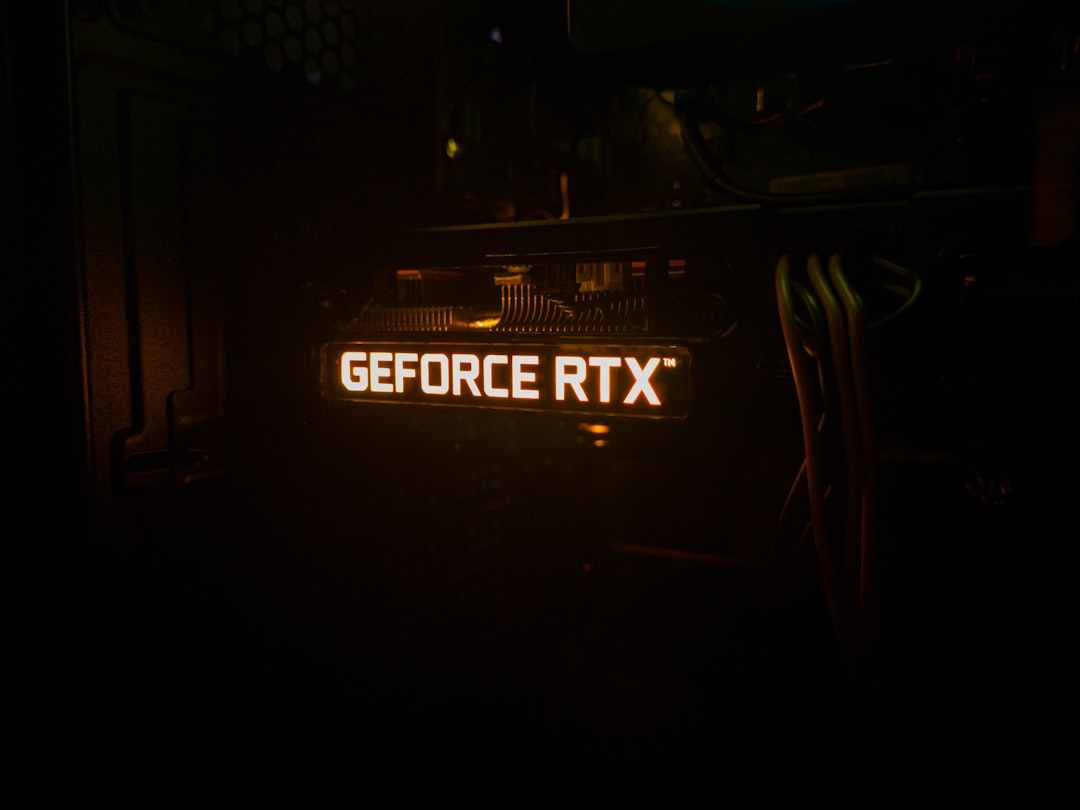
In 2007, a year defined by swift technological strides and increasing demand for powerful computing solutions, one company stood out from the crowd — NVIDIA. A major player in the graphics processing unit (GPU) industry, NVIDIA was named “Company of the Year” by Forbes for its numerous contributions to computer graphics, gaming, and emerging computing technologies like AI and parallel processing. This recognition didn’t come lightly. It was the culmination of visionary leadership, innovative product launches, and a knack for staying ahead of the curve in a rapidly evolving marketplace.
TL;DR (Too Long; Didn’t Read)
- In 2007, Forbes named NVIDIA “Company of the Year” for its exceptional innovation, market penetration, and strategic foresight.
- The company revolutionized the GPU market with its GeForce 8 series and CUDA architecture, appealing to not just gamers but also researchers and developers in AI and parallel computing.
- NVIDIA’s solid financial performance, doubling of its stock, and visionary leadership further cemented its place as a tech industry leader in 2007.
- This year marked the beginning of a transformation that would turn NVIDIA from a gaming-centric company into a computing powerhouse.
Innovation at Its Core
In 2007, NVIDIA not only led the GPU market — it reinvented it. At the heart of this transformation was the groundbreaking GeForce 8800 series, launched in late 2006 and sold throughout 2007. This product line was the first to support Microsoft’s DirectX 10, enabling richer, more immersive graphics for next-generation games.
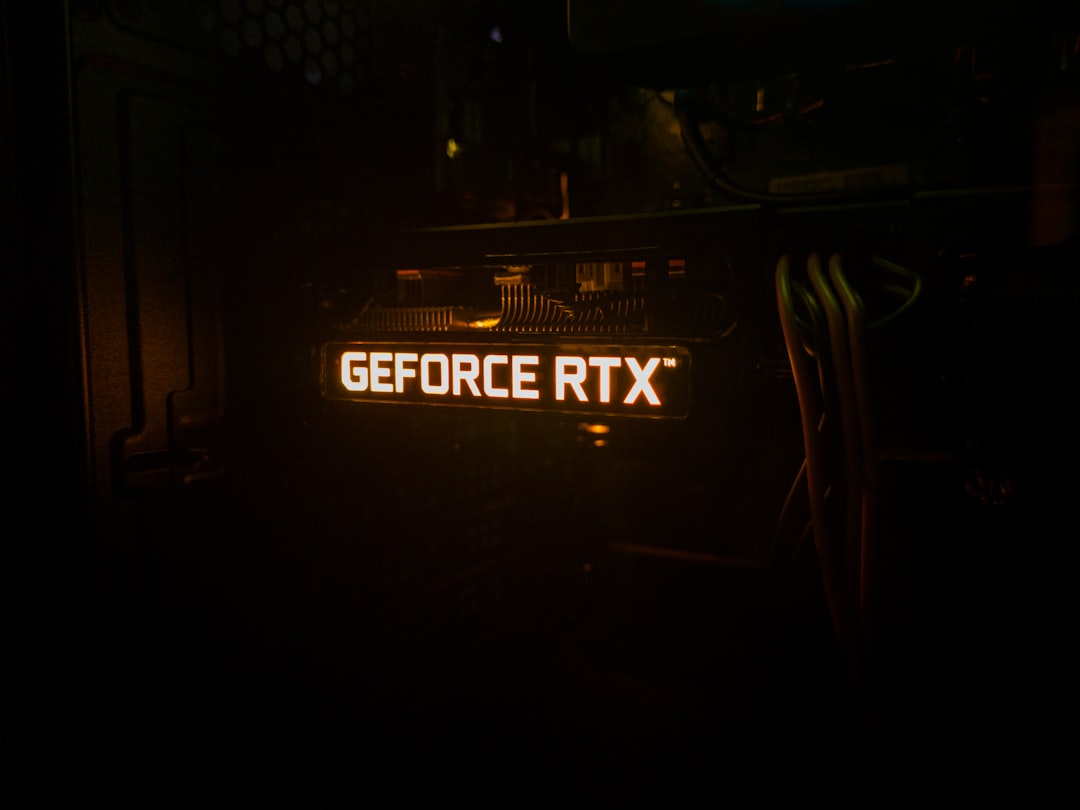
But what truly made this product exceptional was not just its raw performance. NVIDIA’s strategic decision to develop a unified shader architecture laid the foundation for its broader vision: enabling graphics processors to handle complex computational tasks beyond gaming.
In the words of then-CEO Jen-Hsun Huang, “We’re not a graphics company anymore. We’re a computing company.” This vision became a reality in 2007 when NVIDIA introduced CUDA (Compute Unified Device Architecture), a parallel computing platform enabling developers to use NVIDIA GPUs for general-purpose processing, or GPGPU. This was revolutionary and opened up new possibilities in science, medicine, finance, and artificial intelligence.
Expanding Influence Beyond Gaming
For years, NVIDIA had been synonymous with high-performance graphics for gamers, but 2007 marked the beginning of its evolution into a diversified tech leader. CUDA turned GPUs into versatile processors capable of accelerating applications far beyond video games. Universities and research institutions quickly adopted the technology to power high-performance computing.

In the growing fields of machine learning and data science, the ability to execute thousands of threads in parallel on a single chip proved invaluable. CUDA wasn’t just a new feature — it was a paradigm shift. It positioned NVIDIA as a key enabler of AI breakthroughs long before the rest of the tech industry fully realized the importance of GPU acceleration in deep learning.
Strategic Partnerships and Ecosystem Growth
NVIDIA’s rise in 2007 was further fueled by strategic partnerships across various industries. The company worked closely with Microsoft to optimize GeForce GPUs for the Windows Vista platform, capitalizing on Vista’s increased graphical requirements. It also partnered with Dell, HP, and other leading computer manufacturers, ensuring wide hardware distribution and efficient driver integration.
These alliances expanded NVIDIA’s market reach while reinforcing its technological relevance. The company wasn’t just in desktop GPUs anymore — it was also gaining traction in notebook graphics, data centers, and professional visualization markets through its Quadro and Tesla product lines.
A Year of Financial Triumph
NVIDIA’s stock price more than doubled in 2007, a testament to how well its innovations resonated within the market. The company ended its fiscal year with nearly $4.1 billion in revenue, a significant increase from $3.07 billion the previous year. Its net income also soared, supported by strong sales of GPUs and rapid adoption of its new technologies.
Wall Street took notice. At a time when many tech companies were struggling with saturating markets or rising competition, NVIDIA showed no signs of slowing down. Forbes spotlighted the company not only for its product innovation but for its business acumen and strong leadership.
Leadership That Looked Ahead
Much of NVIDIA’s success in 2007 can be attributed to the leadership of Jen-Hsun Huang, who co-founded the company in 1993. Known for his ambitious roadmap and long-term thinking, Huang successfully reoriented the company’s focus toward general-purpose computing without alienating its core gaming audience.
His philosophy was simple yet powerful: harness the full potential of graphics processors and open them up to the broader world of computing. This vision played out superbly over the next decade, but 2007 was the year people began to see its promise materialize.
Huang’s willingness to invest in CUDA, even before there was a clear market demand, showed a boldness not often seen in Silicon Valley. That boldness paid off handsomely, earning him accolades as one of the most forward-thinking CEOs in tech at the time.
Outpacing the Competition
Setting itself apart from rivals like AMD and Intel was no small feat, but NVIDIA’s execution in 2007 made it the GPU provider of choice across a wide swath of industries. While ATI (recently acquired by AMD) struggled with driver issues and less powerful alternatives to the GeForce 8 series, NVIDIA was already experimenting with next-gen architectures.
This head start gave it a crucial edge in performance and reputation. Developers and users alike began to see NVIDIA as the brand not just for gamers, but for anyone requiring high-performance computation. The company didn’t just exceed expectations — it redefined them.
Lasting Impact
The seeds NVIDIA planted in 2007 weren’t just for immediate gain — they shaped the tech landscape for years to come. CUDA would eventually become the backbone of modern AI frameworks like TensorFlow, PyTorch, and Caffe. The GeForce architecture evolved into core engines for everything from autonomous vehicles to robotic surgery tools.
By the end of 2007, it was clear that this was more than a great year for NVIDIA — it was the beginning of something greater. The company wasn’t just supplying the graphics industry; it was becoming a cornerstone of high-performance, AI-driven, and immersive computing experiences worldwide.
Conclusion
The accolade of “Company of the Year” was more than deserved for NVIDIA in 2007. Through game-changing technologies like the unified shader architecture, CUDA, and strong product lines such as GeForce and Quadro, the company demonstrated a rare combination of innovation, foresight, and business excellence. It positioned itself not only as a leader in gaming but as a force driving the future of computing as a whole.
FAQ: NVIDIA Named 2007 Company of the Year
-
Why was NVIDIA named Company of the Year in 2007?
NVIDIA earned the recognition for its groundbreaking innovations in GPU technology, its introduction of CUDA, and strong financial performance that year. -
What role did CUDA play in NVIDIA’s 2007 success?
CUDA enabled GPUs to handle general-purpose computation, allowing NVIDIA to expand into fields like AI, medical research, and data science. -
Which product was critically important in 2007?
The GeForce 8800 series revolutionized the gaming industry with its support for DirectX 10 and its pioneering unified shader architecture. -
What sectors benefited from NVIDIA’s tech in 2007?
In addition to gaming, sectors like scientific research, AI, finance, and professional visualization began adopting NVIDIA’s GPU technology. -
Who was the CEO of NVIDIA in 2007?
Jen-Hsun Huang, co-founder of NVIDIA, was the CEO and is credited with much of the company’s strategic vision and risk-taking.