


DJI drones are everywhere. You see them in parks, over sports events, and even helping farmers. They’re sleek, fast, and easy to fly. But did you know the U.S. Army once used them too?
That’s right. But not anymore. The Army grounded all DJI drones. Why? Let’s break it down and see what’s going on with DJI and military drone policy.
The Rise of DJI
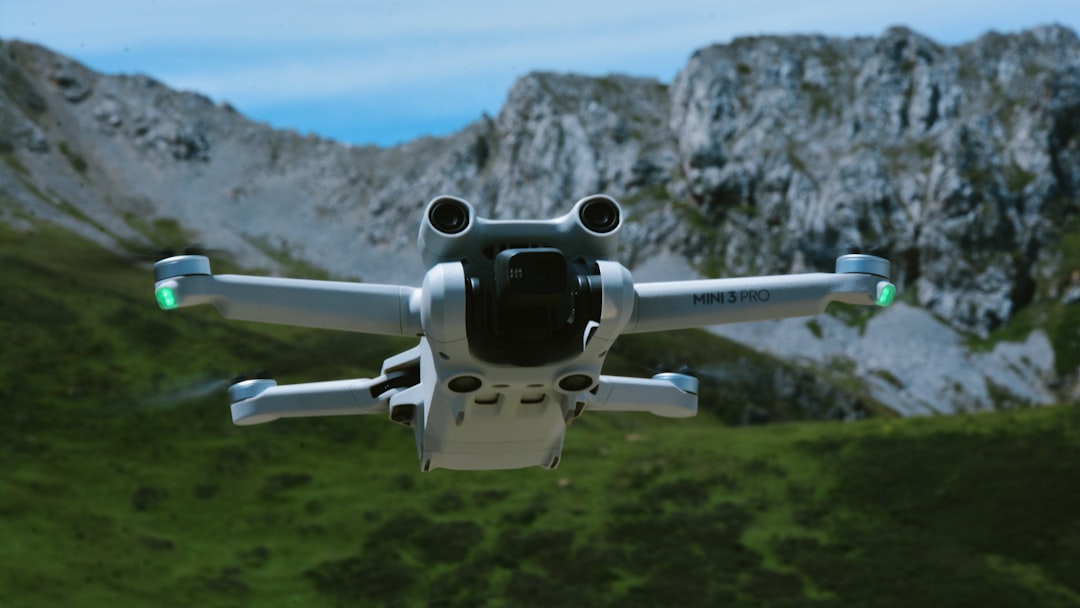
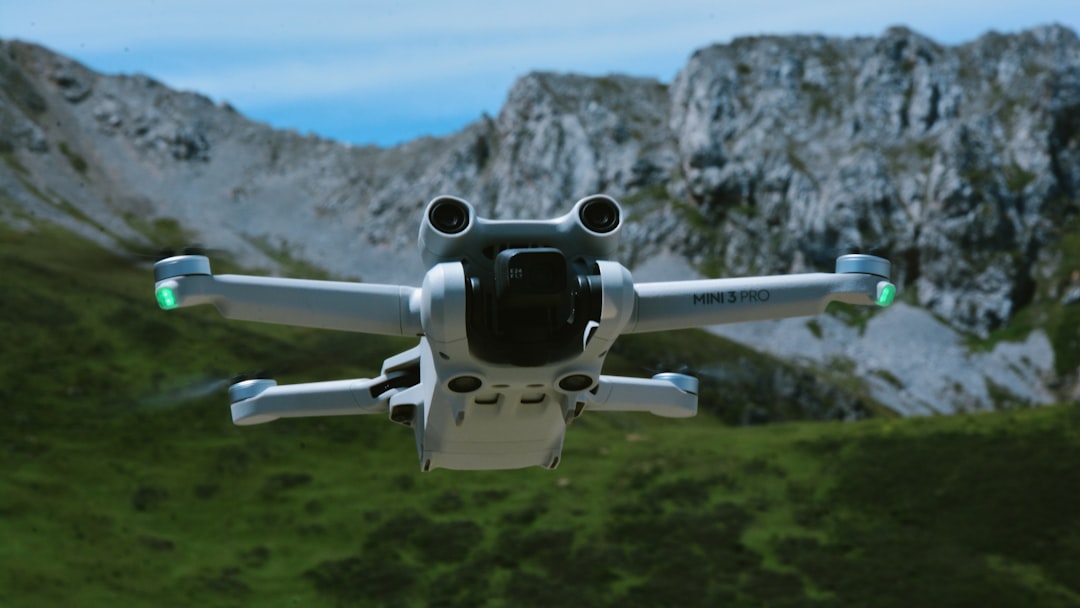
DJI is a Chinese company. It makes cool and affordable drones. Their tech is so good that even some military units used them—for a while. DJI drones have great cameras, long battery life, and are easy to control. That made them a top pick for many industries.
The Army liked them too. They used them for training, recon, and even in combat zones. Everything was going great—until red flags popped up.
So, What Happened?
In 2017, the U.S. Army sent out a special message. It said all units had to stop using DJI drones. Immediately. The reason? Cybersecurity concerns.
Officials were worried that DJI drones might send information back to China. Even if DJI didn’t mean to, the data could be at risk. That’s a big problem in military operations.
The Army’s memo was clear:
- Uninstall DJI apps
- Remove DJI batteries
- Stop all DJI drone use
Within weeks, DJI drones vanished from Army use. The military wanted safer, secure, American-made alternatives.
Drone Policy Basics
Why so strict? In simple words: data is power. Drones collect lots of it. That includes videos, GPS locations, and sensitive mission info. If this falls into the wrong hands, it can be dangerous.
So, here’s what the Army and other government agencies look for in drones:
- Secure communications: No “phoning home” to unknown servers
- Control over updates: No forced firmware changes from a foreign company
- Data encryption: Scramble the data so others can’t steal it
DJI said they don’t send data to China. They even made a “local data mode.” It stops drones from connecting to the internet. But the Army didn’t want to take any chances.
What is a “Trusted Drone”?
The U.S. government has created rules to define what drones are “safe” to use. A trusted drone should meet these goals:
- Made by vetted companies
- Built with safe parts and software
- No mystery code or tracking features
This is where “Blue UAS” comes in. It’s a special program supported by the Pentagon. It helps military teams find drones that meet national security standards.
Companies that meet the Blue UAS requirements can provide drones to federal agencies—no DJI allowed.
Not Just the Army
It’s not only the Army that banned DJI. Over time, other branches of the military and even some government agencies followed. The Department of Homeland Security and even NASA became cautious.
In fact, some new laws now ban using government money to buy DJI or other foreign-made drones. Entire cities and state departments have had to switch to U.S.-approved alternatives.
DJI’s Response
Drones are DJI’s business. So they weren’t happy. The company released many statements. They said they don’t collect sensitive data without permission. They said they care about user privacy.
DJI also hired lobbyists and met with lawmakers to explain their side. They even made special government editions of their drones. These were supposed to be extra secure. Still, the damage was done. Trust had been lost.
Why It Matters to You
You might not be in the Army. You may not even own a drone. But this story matters. It shows how tech can be both helpful and risky. Tiny flying machines can collect tons of private info.
By learning about these policies, we all get smarter. We understand what’s safe to use and what might not be. And this goes beyond drones. It’s about trusting the stuff we use every day—like phones, apps, and smart devices.
What’s Next?
America is building its own high-tech drone companies. They’re smaller than DJI for now. But with big investments and support from the government, they’re growing fast.
Also, the Department of Defense is working on even stricter rules. These rules will help U.S. forces avoid tech traps in the future. That means more local talent, secure designs—and a focus on data privacy.
Key Takeaways
Let’s keep it simple. Here’s what to remember:
- DJI drones are super popular—but not with the U.S. military
- The Army stopped using DJI in 2017 due to cyber worries
- New policies focus on “trusted” tech with better security
- Other agencies and governments are also being more careful
- Building secure drones at home is now a top priority
Things You Can Do
Want to stay informed and safe? Here are a few tips:
- Check where your drone is made
- Read reviews on how it handles data
- Keep firmware updates under control
- Use “local data” modes when possible
- Support drone companies that focus on security
Final Thoughts
Drones are fun and powerful. But power comes with responsibility. The U.S. Army learned that early with DJI. And now, the rest of the world is catching on. With the right rules, we can still enjoy amazing flying tech—without risking our secrets.
Fly smart. Stay safe. Know the policy before your drone takes off.