

Manufacturing organizations operate in an environment defined by tight margins, complex supply chains, and constant pressure to deliver faster without compromising quality. In this landscape, operational efficiency is not a luxury—it is a fundamental requirement for survival and growth. A well-implemented Manufacturing Enterprise Resource Planning (ERP) system serves as the backbone of modern production environments, bringing structure, visibility, and control to every layer of operations.
TLDR: Manufacturing ERP software improves operational efficiency by integrating production planning, inventory management, shop floor control, quality management, and real-time analytics into one cohesive system. These features eliminate data silos, reduce waste, and enhance decision-making with accurate, up-to-date information. When properly deployed, an ERP platform aligns people, processes, and resources for measurable performance improvements. Organizations that leverage these capabilities consistently achieve better productivity, lower costs, and stronger on-time delivery rates.
Below are five critical ERP features that directly contribute to improved operational performance and long-term resilience in manufacturing environments.
1. Advanced Production Planning and Scheduling (APS)
Production planning is the core of manufacturing operations. Without a systematic approach to scheduling and capacity planning, organizations face bottlenecks, delays, and costly downtime. Advanced Production Planning and Scheduling (APS) functionality within ERP systems addresses this complexity.
APS enables manufacturers to:
- Optimize resource allocation across machines, labor, and materials
- Reduce production bottlenecks through constraint-based planning
- Improve on-time delivery rates with realistic scheduling models
- Simulate what-if scenarios before executing changes
Rather than relying on spreadsheets or manual planning, APS systems use real-time data from inventory, orders, and shop floor operations to generate accurate schedules. This reduces guesswork and enhances responsiveness when unexpected disruptions occur.
Image not found in postmetaThe result is a smoother production flow and increased equipment utilization. When planning aligns with actual capacity and constraints, manufacturers avoid overpromising to customers and underutilizing assets. Over time, this translates into improved throughput and consistent operational performance.
2. Integrated Inventory and Materials Management
Excess inventory ties up capital. Insufficient inventory halts production. Managing this balance is one of the most challenging aspects of manufacturing operations. ERP software centralizes inventory management across warehouses, production sites, and distribution channels.
A robust materials management module offers:
- Real-time inventory visibility across locations
- Automated replenishment triggers based on demand forecasts
- Material Requirements Planning (MRP) to align supply with production schedules
- Lot and serial tracking for traceability and compliance
By integrating procurement, inventory control, and production planning, ERP systems eliminate the communication gaps that frequently cause stockouts or overstock situations. Procurement teams can make data-driven purchasing decisions, and planners can adjust production schedules based on actual inventory levels.
Operational efficiency improves when materials arrive exactly when needed—not too early and not too late. Carrying costs decline, warehouse space is optimized, and waste due to obsolescence is significantly reduced. Organizations also benefit from improved supplier coordination and clearer demand forecasts.
3. Real-Time Shop Floor Control and Data Collection
Many manufacturers struggle with limited visibility into what is actually happening on the shop floor. Delays in capturing production data can lead to reactive decision-making instead of proactive management. Modern ERP systems address this challenge by integrating shop floor control capabilities.
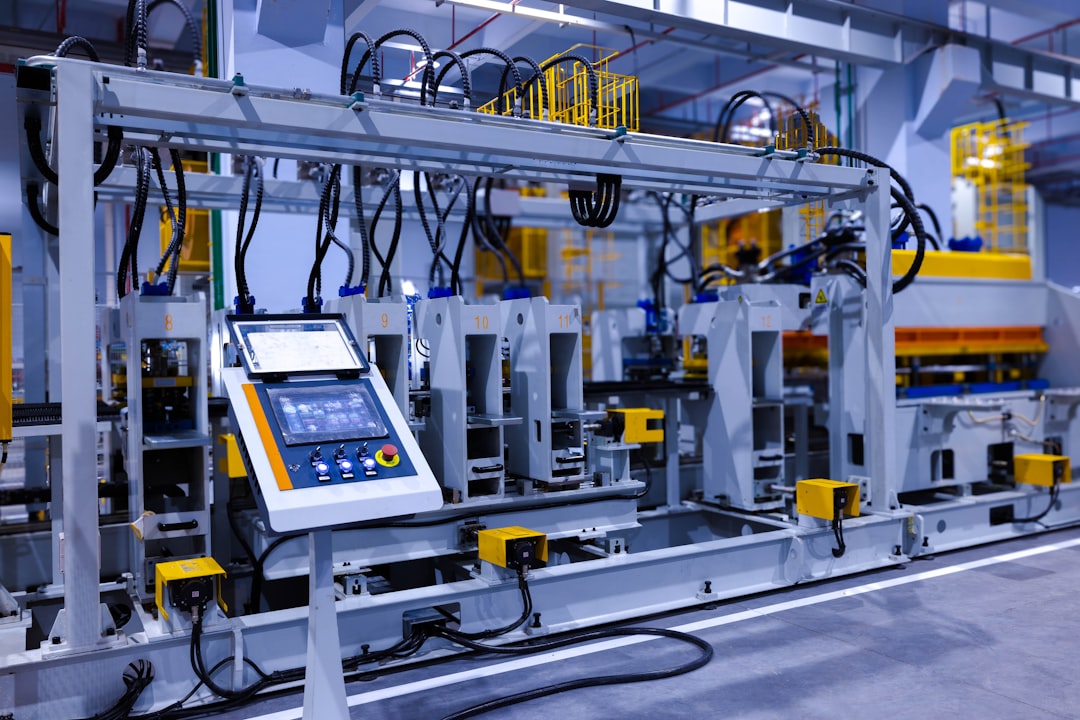
Through direct machine integration, barcode scanning, or operator input terminals, ERP platforms capture real-time production data such as:
- Machine uptime and downtime
- Labor hours and productivity rates
- Work order progress
- Scrap and rework quantities
This immediate data capture eliminates manual reporting delays and reduces errors caused by duplicate data entry. Supervisors gain instant insights into production performance and can respond quickly to deviations.
For example, if a machine experiences unexpected downtime, alerts can trigger maintenance interventions before delays cascade through the schedule. If scrap rates begin to increase, quality teams can investigate the root cause immediately.
Operational efficiency thrives on visibility. With real-time shop floor insights, decision-makers are no longer relying on end-of-day or end-of-week reports. Instead, they are empowered to act in the moment, minimizing disruption and maximizing productivity.
4. Quality Management and Compliance Control
Quality failures can erode customer trust, damage brand reputation, and generate significant financial losses. An integrated quality management module within ERP software ensures that quality is embedded into every stage of the manufacturing process.
Key capabilities typically include:
- Automated inspection workflows
- Non-conformance management
- Corrective and preventive action tracking (CAPA)
- Full product traceability
Rather than handling quality issues in isolated spreadsheets or separate systems, ERP platforms consolidate inspection results, production data, and supplier information in one environment. This unified approach simplifies audits and compliance reporting.
When quality data is directly tied to production processes, manufacturers can identify patterns and recurring defects. Preventive actions become systematic rather than reactive. This reduces scrap, rework, and warranty claims while improving first-pass yield.
In highly regulated industries—such as aerospace, automotive, food processing, and pharmaceuticals—traceability is not optional. ERP systems provide detailed historical records of materials, production batches, and inspections, helping organizations meet regulatory requirements confidently and efficiently.
Ultimately, embedding quality into the ERP framework strengthens operational discipline and lowers the total cost of poor quality.
5. Data Analytics and Executive Dashboards
Data has little value without actionable interpretation. Manufacturing ERP systems consolidate data from production, finance, procurement, and sales to generate comprehensive analytics and dashboards.
These analytical tools empower organizations to:
- Track key performance indicators (KPIs) such as Overall Equipment Effectiveness (OEE)
- Monitor cost variances and margin performance
- Identify trends in cycle times and lead times
- Forecast demand with greater accuracy
Instead of manually compiling reports, executives and operations managers can access customizable dashboards that provide real-time visibility into performance metrics. This transparency fosters accountability and strategic alignment across departments.
When a KPI deviates from target thresholds, decision-makers are alerted immediately. They can drill down into the underlying data to pinpoint root causes—whether related to material shortages, machine efficiency, or labor constraints.
Accurate data drives confident decisions. ERP analytics eliminate reliance on outdated or inconsistent information and establish a single source of truth across the organization. Over time, this improves forecasting reliability, cost control, and resource optimization.
How These Features Work Together
While each feature independently boosts efficiency, the true power of Manufacturing ERP software lies in integration. Production planning relies on accurate inventory data. Quality management depends on real-time shop floor input. Executive dashboards draw insights from every operational module.
This interconnected ecosystem produces several compounding benefits:
- Faster cross-department collaboration
- Reduced manual data entry and duplication
- Improved accountability through transparency
- Greater adaptability during disruptions
For example, if demand forecasts change, the ERP system can automatically adjust MRP calculations, update purchasing requirements, and re-sequence production schedules. That level of integration prevents isolated decision-making and ensures that every department operates from the same information base.
Operational efficiency becomes systemic rather than situational.
Conclusion
Manufacturing ERP software is not merely a digital record-keeping tool—it is a strategic platform that orchestrates the entire production ecosystem. By integrating advanced production planning, inventory management, shop floor control, quality management, and real-time analytics, ERP systems eliminate inefficiencies that traditionally hinder manufacturing performance.
Organizations that adopt these features thoughtfully and align them with well-defined processes achieve measurable results: reduced downtime, improved inventory turnover, higher product quality, and stronger financial control.
In a competitive manufacturing landscape defined by volatility and complexity, operational efficiency is a decisive advantage. A robust ERP system provides the visibility, discipline, and intelligence required to maintain that advantage over the long term.
The manufacturers that invest in integrated, data-driven systems today position themselves for sustained productivity, resilience, and growth tomorrow.