

Choosing the right restaurant management software is no longer optional in a competitive hospitality market. Modern diners expect seamless reservations, quick seating, and smooth service—whether they book online, walk in, or plan events in advance. For restaurant owners and operators, the right system must balance efficiency, visibility, and control across front-of-house operations.
TLDR: The best restaurant management software systems combine table management, reservation tools, POS integration, and real-time analytics. OpenTable, Toast, Resy, and Lightspeed stand out for their reliability, scalability, and feature depth. Each platform offers strong table and reservation management, but they differ in hardware integration, pricing structure, and marketing tools. Choosing the right solution depends on your restaurant’s size, service style, and growth plans.
Below is a detailed look at four trusted restaurant management systems that excel in table and reservation management, along with their key capabilities and ideal use cases.
What to Look For in Table and Reservation Management Software
Before comparing specific platforms, it is essential to understand what makes a system effective. Strong restaurant management software should offer:
- Real-time table tracking with visual floor plans
- Online reservations with automated confirmations and reminders
- Waitlist management with SMS notifications
- POS integration for seamless operations
- Guest profiles with visit history and preferences
- Reporting and analytics for occupancy and turnover insights
The following four platforms consistently meet these criteria while offering additional operational advantages.
1. OpenTable
Best for: Established restaurants focused on maximizing online reservation visibility.
OpenTable is one of the most recognized names in restaurant reservations. It combines powerful booking capabilities with table management features suitable for both independent restaurants and hospitality groups.

Key Features
- Comprehensive reservation management with web and app-based booking
- Table status tracking via interactive floor plans
- Automated guest reminders to reduce no-shows
- Guest database creation with dining preferences and visit frequency
- Integration with POS and marketing tools
OpenTable’s massive diner network provides built-in marketing exposure. Restaurants listed on the platform gain access to customers actively searching for dining options.
Strength: Brand recognition and strong customer acquisition pipeline.
Consideration: Per-cover fees can add up for high-volume establishments.
2. Toast
Best for: Restaurants seeking an all-in-one POS and management solution.
Toast is a cloud-based platform designed specifically for restaurants. While known primarily as a POS provider, it offers robust table management and reservations through integrated modules.
Key Features
- Visual table layout mapping with real-time updates
- Integrated waitlist and texting capabilities
- POS-native system for seamless order-to-table workflow
- Guest data tracking and loyalty program integration
- Advanced reporting on table turns and server performance
Because Toast controls both hardware and software environments, the system performs reliably under high-volume conditions. This makes it particularly useful for casual dining restaurants, bars, and multi-location businesses.
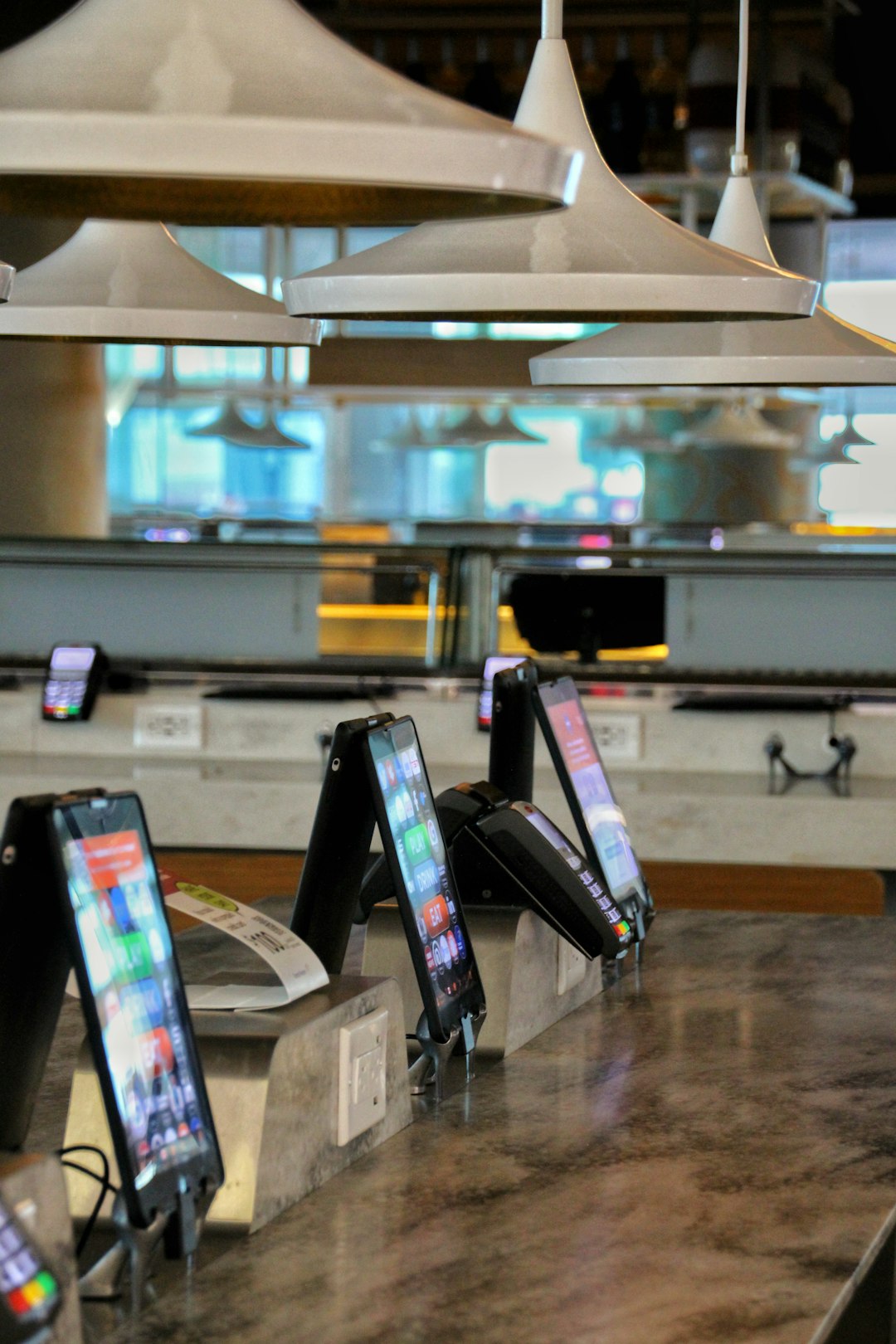
Strength: Deep operational control through POS integration.
Consideration: Requires Toast hardware, limiting flexibility for some operators.
3. Resy
Best for: High-end and experience-focused restaurants.
Resy has built a reputation for serving upscale and reservation-heavy establishments. The platform emphasizes guest experience, relationship management, and brand loyalty.
Key Features
- Dynamic floor plan management with pacing tools
- Customizable reservation settings including prepaid experiences
- Detailed guest tagging and visit tracking
- Two-way SMS guest communication
- Integration with CRM and marketing platforms
Resy allows restaurants to control booking windows, set minimum spends, and offer curated experiences. These features are especially valuable for fine dining concepts and chef-driven establishments.
Strength: Exceptional guest relationship management tools.
Consideration: Less focused on full POS replacement compared to Toast or Lightspeed.
4. Lightspeed Restaurant
Best for: Growing restaurants needing advanced analytics and scalability.
Lightspeed combines POS functionality with strong table-side and reservation management tools. It is particularly well-suited for operators looking to scale or optimize performance across multiple locations.

Key Features
- Customizable floor plans with drag-and-drop functionality
- Integrated reservations and waitlist management
- Comprehensive inventory tracking
- Multi-location reporting
- Cloud-based access for remote oversight
Lightspeed offers powerful back-office insights, including labor costs, table performance, and peak-hour analysis. This makes it particularly useful for optimizing seating strategies and improving turnover rates.
Strength: Strong analytics and multi-unit adaptability.
Consideration: May require more configuration for smaller, independent restaurants.
Comparison Chart
| Feature | OpenTable | Toast | Resy | Lightspeed |
|---|---|---|---|---|
| Reservation Management | Extensive network driven booking | Integrated module | High customization and experiences | Integrated system |
| Table Layout Tools | Interactive floor plans | Real time POS linked layout | Advanced pacing tools | Drag and drop customization |
| POS Integration | Third party integrations | Native POS system | Selective integrations | Native POS system |
| Guest Profiles | Comprehensive diner database | Loyalty and visit tracking | Deep guest tagging | Customer tracking |
| Best For | Visibility and discovery | All in one management | Premium dining | Growth focused restaurants |
Key Benefits of Implementing Table and Reservation Software
Restaurants that adopt modern management systems generally report measurable operational improvements. These include:
- Reduced no-show rates through automated reminders and deposits
- Faster table turnover with real-time monitoring
- Improved guest satisfaction via accurate seating and shorter wait times
- Better staff coordination between hosts and servers
- Data driven insights for profitability and capacity planning
In addition to direct operational gains, these systems provide long-term value by collecting actionable customer data. Restaurants can track repeat visits, favorite dishes, and spending behavior—information that supports personalized marketing and loyalty initiatives.
How to Choose the Right System
Selecting the right platform requires careful consideration of your operational model. Ask the following questions:
- Do you need a full POS replacement or only reservation management?
- What is your average daily cover count?
- Do you operate multiple locations?
- How important is integrated marketing exposure?
- Are prepaid experiences or deposits part of your concept?
Independent fine dining restaurants may benefit most from Resy’s customization tools. High-volume casual restaurants often prefer Toast for its hardware integration. Growth-oriented groups may lean toward Lightspeed for analytics. Meanwhile, restaurants seeking customer discovery frequently choose OpenTable.
Final Thoughts
Restaurant management software has evolved far beyond simple booking calendars. Today’s systems provide intelligent floor planning, customer profiling, operational analytics, and seamless POS integration. Investing in the right solution directly impacts guest satisfaction, staff efficiency, and revenue growth.
OpenTable, Toast, Resy, and Lightspeed each offer trustworthy, field-tested platforms with strong table and reservation management capabilities. The right choice ultimately depends on your establishment’s scale, positioning, and strategic direction.
For serious restaurateurs aiming to streamline operations and elevate guest experiences, adopting a comprehensive management platform is not just a technological upgrade—it is a strategic business decision.