

In creative industries like interior design and architecture, first impressions matter. One of the most critical visual elements that set the tone for your entire brand is your logo. It’s more than just an aesthetic choice—it communicates your design philosophy, attracts your ideal clients, and reflects the professionalism and creativity you bring to each project. Whether you’re just launching your business or it’s time to refresh your look, finding the right logo concept can be an exciting yet overwhelming challenge.
TLDR: A striking and memorable logo is essential for architects and interior designers who want to convey their design sensibility and establish a strong brand presence. This article explores 12 inspiring and practical logo ideas tailored for the design industry. From minimal monograms to abstract shapes and architectural lines, these concepts blend creativity with strategic branding. Read on to find design inspiration that aligns with your unique style and message.
1. Minimal Monogram
A clean, typographic monogram using your initials can communicate elegance and professionalism. This style is especially suited for designers who lean towards minimalism and want to emphasize clarity and sophistication. Use a high-end serif or modern sans-serif font to reflect your brand’s style.
Example: If your name is “Claire Bennett Interiors,” a stylized “CBI” with carefully proportioned spacing can create a sleek and memorable logo.
2. Architectural Line Art
Line-based artwork inspired by architectural drawings or blueprints naturally aligns with the profession. Straight, clean lines, geometric shapes, and technical flourishes can communicate precision and structure—perfect for architects who want to showcase the technical side of their work.
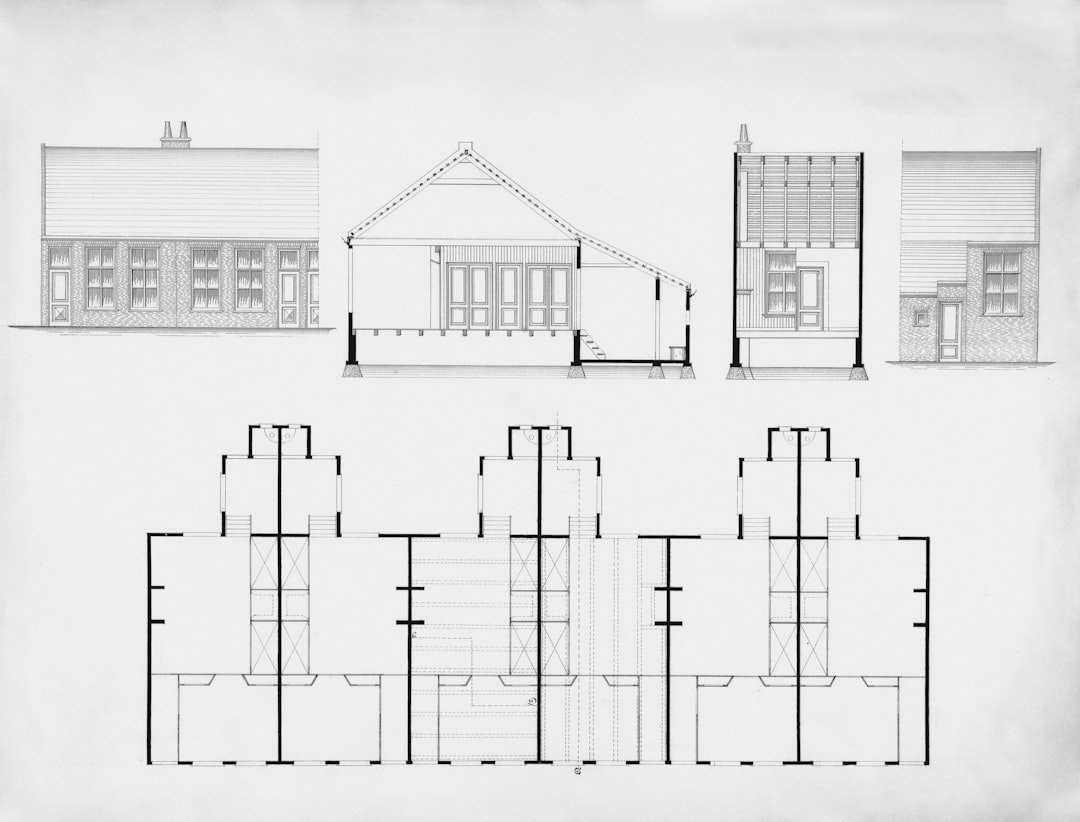
You might feature a wireframe sketch of a house, building, or column, stylized with a modern twist.
3. Negative Space Design
Logos that cleverly use negative space often leave a lasting impression. This approach plays with dual imagery—where the space around and within the letters or shapes subtly depicts another element like a floor plan, furniture piece, or window frame.
Think about intertwining the silhouette of a lamp within the letter “A” or using the spaces between letters to form the outlines of buildings.
4. Abstract Geometry
Abstract geometric shapes can be powerful design elements when composing logos for creative professionals. They allow for creative freedom and can be tailored to represent balance, contrast, and harmony—all key elements in good design.
Consider iconography based on triangles, polygons, or circular grids. These can convey structure without being too literal.
5. Floor Plan Inspired Icons
One of the most unique and relevant approaches is to use elements from actual floor plans as part of your logo. A simplified floor plan can be stylized into a meaningful symbol that makes your design-focused profession instantly recognizable.
This works especially well for interior designers who offer layout consultations or specialize in spatial planning. It’s subtle enough to be elegant, and specific enough to connect with your niche.
6. Modern Typography
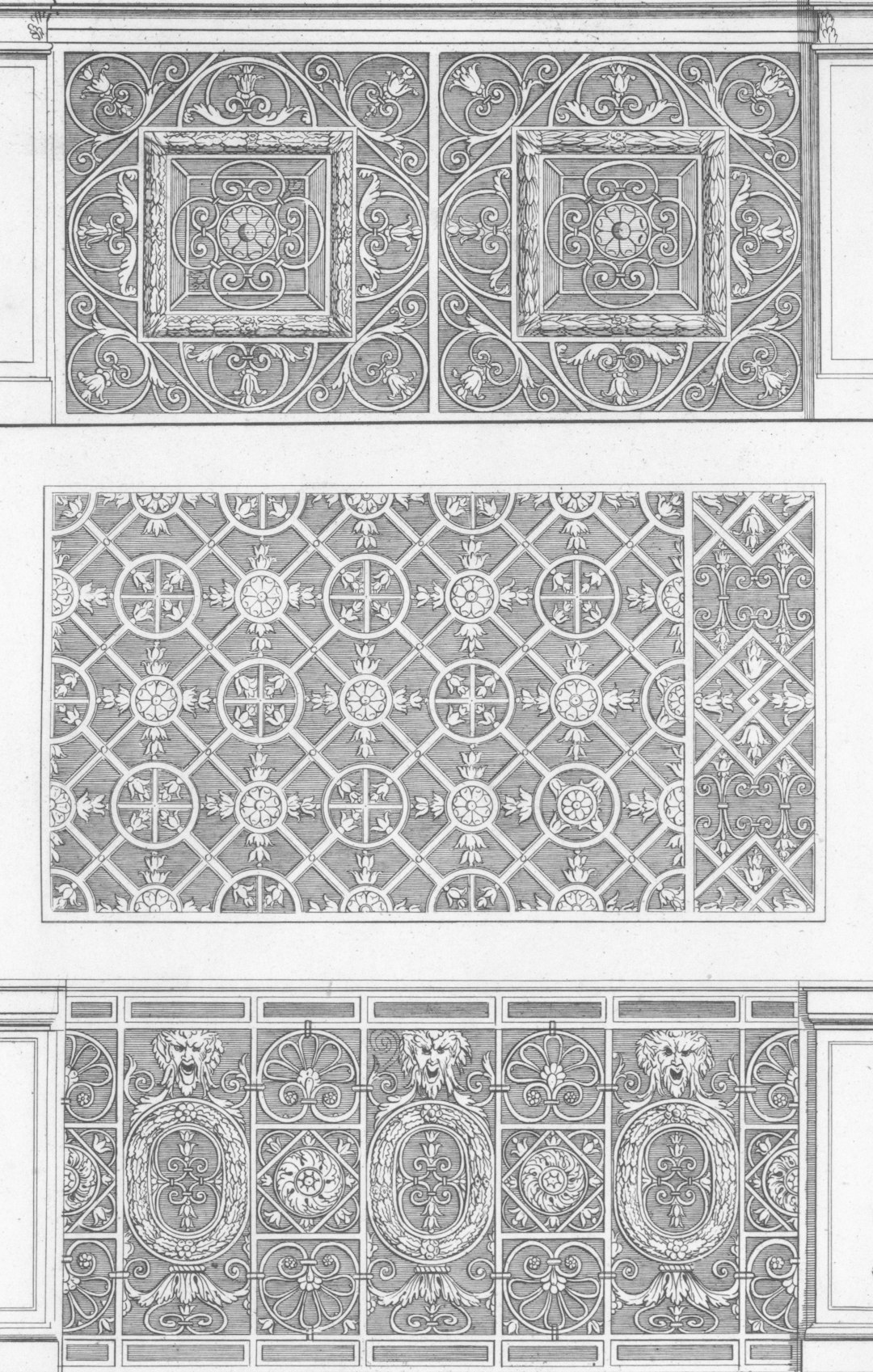
Typography-led logos can be extremely impactful when executed thoughtfully. You’ll want to select a modern typeface—or customize one—that aligns with your style. Combining upper- and lowercase creatively or adjusting letter spacing can turn basic text into an artistic identity.
Tip: Consider creating an ambigram or logotype that maintains its integrity when flipped or mirrored. This adds a level of design cleverness that clients will remember.
7. Organic and Natural Motifs
For designers who lean toward eco-conscious or biophilic design, incorporating organic shapes, plants, or textures into the logo can reinforce your brand’s natural aesthetic. Think leaves merged with a column, or a tree root system intertwined with your initials.
This style appeals to clients looking for harmony, sustainability, and a nature-driven approach to interiors or architectural forms.
8. Mid-Century Modern Influence
If your design aesthetic is heavily influenced by mid-century modern design, why not let that guide your logo too? Use era-specific fonts, color palettes (like mustard yellows, olive greens, and burnt orange), and abstract shapes inspired by the designs of the 1950s and 60s.
These retro-modern visuals convey a sense of curated timelessness and refined taste, especially appealing to vintage-loving clientele.
9. Black and White Silhouettes
Minimal silhouettes in black and white are versatile, elegant, and timeless. A stylized window frame, a silhouette of a chair, or the outline of a roofline can form simple yet compelling logos.
The simplicity helps these logos stand out on business cards, websites, signage, and branded merchandise.
10. Hand-Drawn Accents
A hand-drawn logo or one with hand-drawn elements suggests artistry, custom work, and attention to detail. If you frequently sketch your designs before executing them digitally, this type of logo can echo your process and passion.
Consider including hand-rendered initials, layouts, or structural sketches to add a warm, personal vibe to your branding.
11. Color Block Compositions
Inspired by elements of modern art and space planning, color block logos use contrasting rectangles or geometric segments to communicate structure and visual interest. Colors can also help segment information, suggest depth, or hint at specific interior styling (e.g., Scandinavian or contemporary).
This is excellent for designers who want to convey their flair for combining colors and spatial divisions.
12. Lettermark Fusion with Icon
Combine the best of word-based and icon-based design with a fusion logo. For example, integrate a stylized column into the letter “I” in your name, or make the “O” in your brand name resemble a blueprint compass. These hybrid logos are memorable, functional, and adaptable.
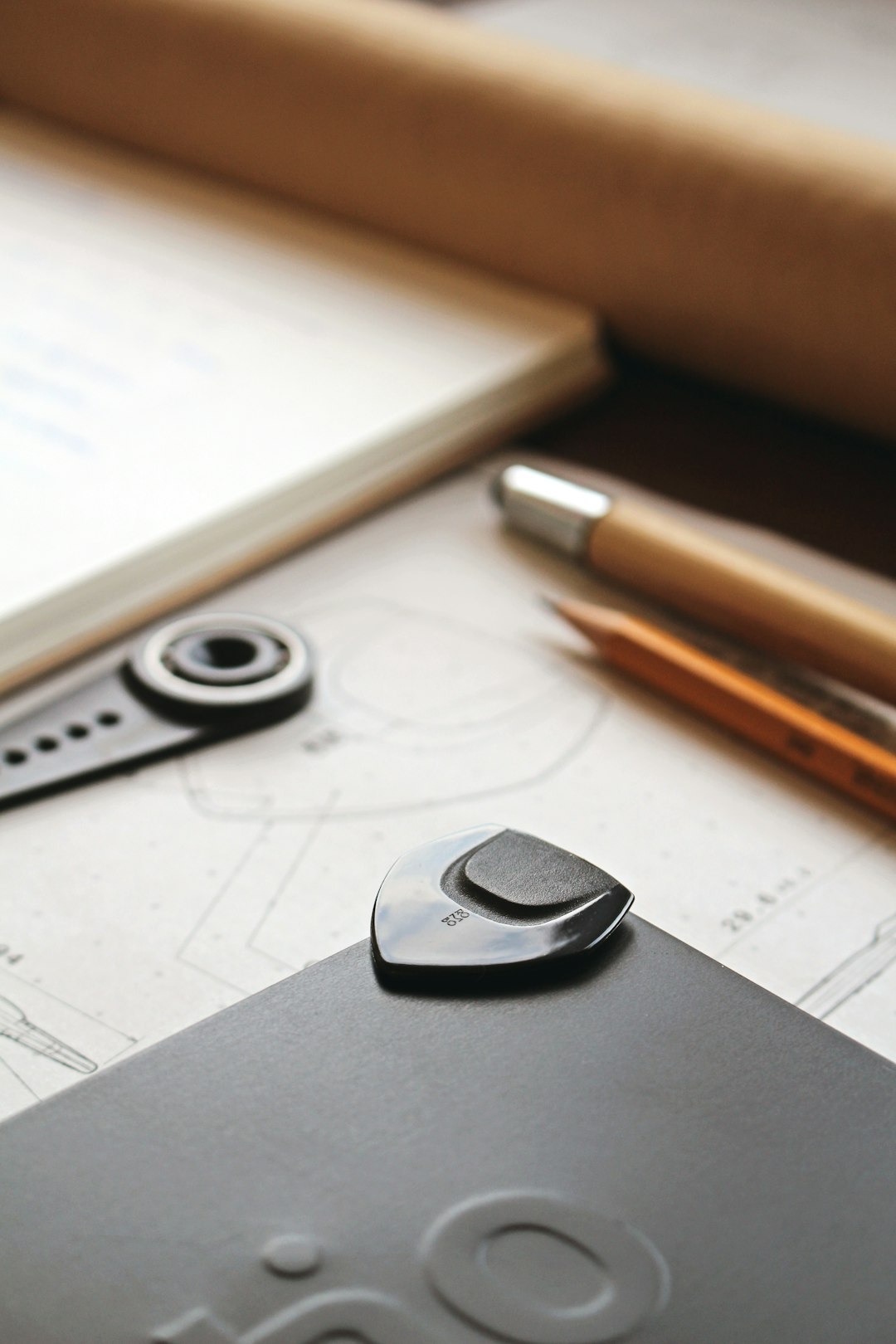
Plus, they scale well and look good in black and white or full color—important for business cards, social media, and architectural drawings alike.
Final Thoughts
Your logo is more than just a marker of your business—it’s a representation of your design philosophy, aesthetic judgment, and attention to detail. Whether you lean toward minimalism, structural compositions, or artistic flourishes, the key is consistency across all your brand touchpoints. Take time to explore what feels authentic to you and test various directions before committing. And whenever possible, work with a professional designer who can bring your vision to life with skill and creativity.
By choosing a logo that resonates with your brand substance and style, you’ll attract like-minded clients, differentiate yourself from competitors, and stand out in a competitive industry driven by taste and vision.