

Search engine optimization has evolved far beyond manual keyword research and backlink spreadsheets. Today, developers, digital agencies, and SaaS product teams rely heavily on APIs to automate rankings, extract search data at scale, monitor competitors, and build SEO features directly into their applications. Whether you’re creating a marketing dashboard, an SEO toolset, or enhancing a content platform, choosing the right SEO API can dramatically improve your workflow and product capabilities.
TL;DR: SEO APIs allow developers and businesses to automate keyword research, SERP tracking, backlink monitoring, and technical audits at scale. The best APIs offer reliable data, flexible endpoints, scalable pricing, and easy integration. In this article, we explore 12 of the top SEO APIs that power agencies, developers, and SaaS platforms in 2026. If you want accurate data and automation, these tools are leading the pack.
Below are the 12 best SEO APIs that stand out for their data quality, performance, flexibility, and value.
1. Google Search Console API
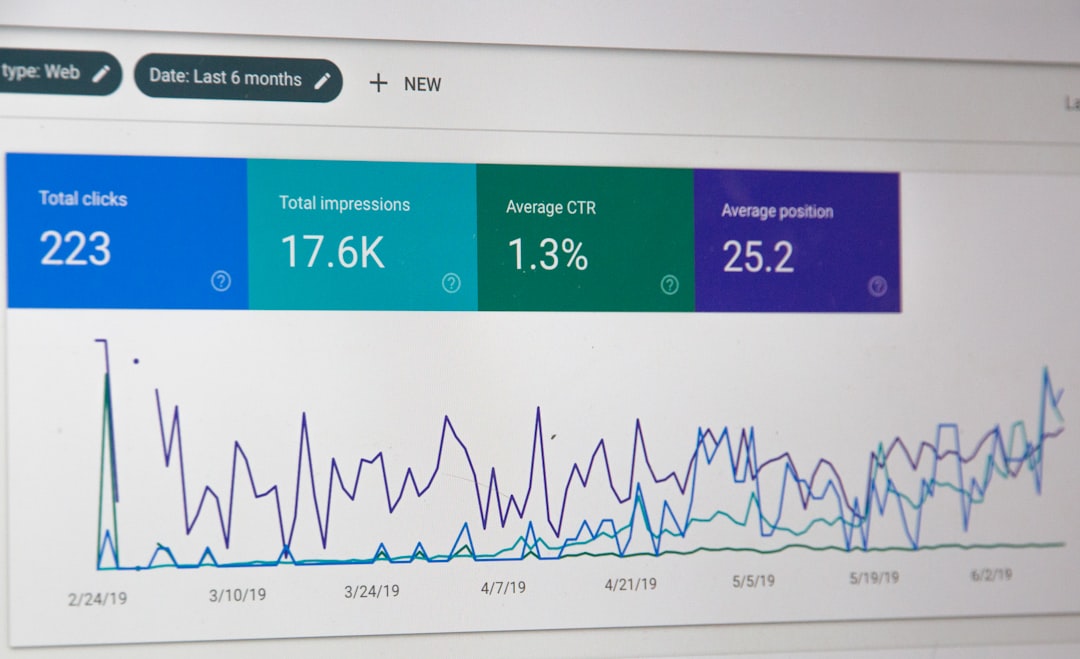
The Google Search Console API is a must-have baseline tool. It allows you to pull performance data directly from Google, including:
- Search queries
- Click-through rates
- Impressions
- Average position
For SaaS companies building reporting dashboards, this API is essential. While it doesn’t provide competitive research data, it delivers first-party insights straight from Google, making it one of the most reliable data sources available.
Best for: Internal performance tracking and client reporting.
2. Google PageSpeed Insights API
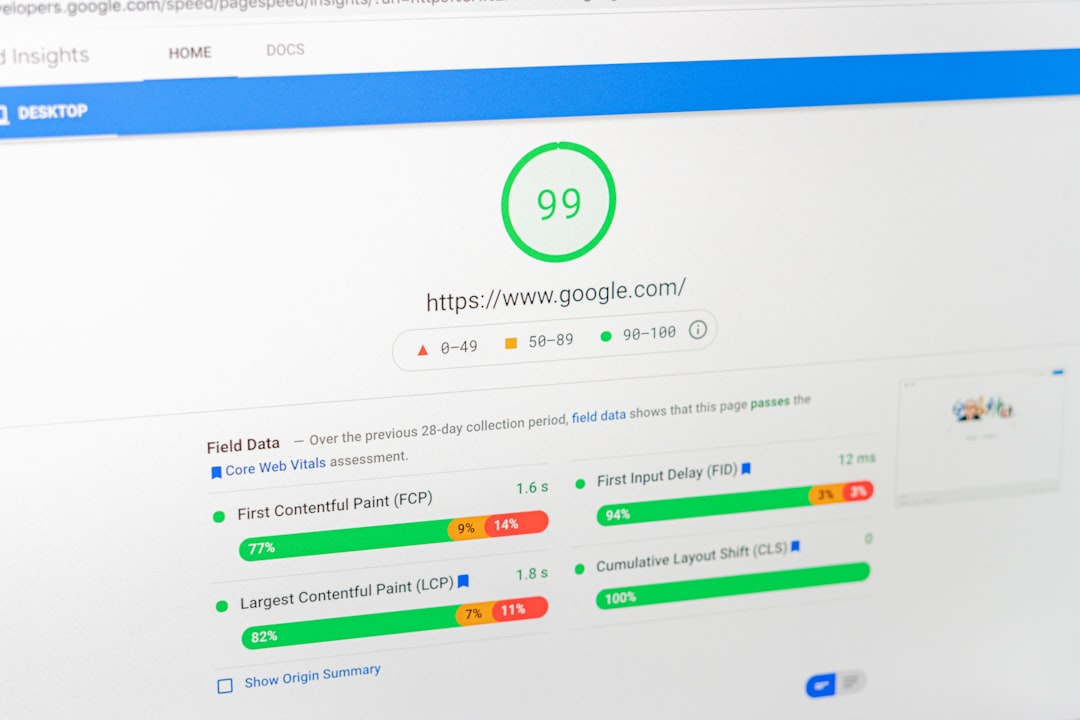
Page speed is a core ranking factor. The PageSpeed Insights API allows developers to analyze site performance programmatically, including Core Web Vitals metrics.
It provides:
- Mobile and desktop performance scores
- Diagnostics and opportunities
- Lighthouse performance audits
Agencies can integrate this API into audit tools, while SaaS platforms can embed automated technical scoring systems.
3. Ahrefs API
Ahrefs is known for its powerful backlink database, and its API provides access to:
- Backlink profiles
- Domain Rating (DR)
- URL Rating (UR)
- Organic keyword data
- Content gap analysis
For large-scale SEO automation, Ahrefs offers one of the deepest backlink indexes in the industry.
Best for: Backlink analysis and competitive research.
4. SEMrush API
SEMrush provides a robust API suite covering keyword research, competitor analysis, domain analytics, and advertising insights.
Developers and agencies appreciate:
- Extensive keyword databases
- Competitor traffic estimates
- Advertising research endpoints
- Historical data access
This API is particularly useful for building comprehensive marketing dashboards that combine SEO and PPC data.
5. Moz API
The Moz API is well-known for its Domain Authority (DA) and Page Authority (PA) metrics. It offers:
- Spam score evaluation
- Link tracking
- Keyword difficulty
- Site crawl data
Moz is often favored by agencies due to its straightforward metrics and clean documentation.
Best for: Authority metrics and simplified link scoring.
6. SerpAPI
SerpAPI specializes in real-time SERP scraping at scale. It delivers structured JSON results from:
- Google search
- Google Images
- Google Maps
- YouTube
- Bing
Instead of building your own complex scraping systems (and worrying about CAPTCHAs), SerpAPI handles proxy rotation and scaling.
Best for: Live SERP tracking and rank monitoring tools.
7. DataForSEO API
DataForSEO has become extremely popular for agencies and SaaS builders. It offers a massive list of endpoints, including:
- Keyword research
- Rank tracking
- SERP analysis
- Backlink data
- On-page audits
Its flexible task-based pricing model makes it attractive for startups building scalable SEO solutions.
Best for: Comprehensive, scalable SEO data infrastructure.

8. Bright Data SERP API
Bright Data offers enterprise-grade SERP data through APIs that support large-scale operations. It’s especially useful for businesses requiring:
- High-volume keyword tracking
- Global location targeting
- Advanced SERP feature extraction
Enterprises value Bright Data for reliability and geographic flexibility.
Best for: Large-scale international SEO campaigns.
9. Majestic API
Majestic focuses primarily on backlinks, offering proprietary metrics like:
- Trust Flow
- Citation Flow
- Topical Trust Flow
Its massive historical index makes it ideal for deep backlink analysis and competitive link research.
Best for: Advanced link intelligence and historical backlink profiling.
10. Screaming Frog SEO Spider API Integration
While Screaming Frog is primarily a desktop crawler, it integrates with APIs and automation platforms to:
- Crawl sites at scale
- Identify technical SEO issues
- Export structured audit data
Developers often combine it with other APIs for hybrid SEO auditing systems.
Best for: Technical SEO audits and site crawling automation.
11. Serpstat API
Serpstat offers a cost-effective API covering:
- Keyword clustering
- Competitor keyword gaps
- Backlink analysis
- Site audit features
It’s especially appealing to agencies serving small and mid-sized businesses due to its affordability.
Best for: Budget-friendly multi-feature SEO solutions.
12. KeywordTool.io API
If your primary need is keyword expansion, the KeywordTool.io API delivers keyword suggestions from:
- Google Autocomplete
- YouTube
- Amazon
- App Store
This is particularly useful for content-driven SaaS tools and marketplace optimization platforms.
Best for: Long-tail keyword generation and content ideation.
How to Choose the Right SEO API
Not every API fits every use case. When selecting an SEO API, consider:
- Data accuracy: How reliable and frequently updated is the data?
- Scale: Can it handle your expected request volume?
- Documentation: Is implementation straightforward?
- Pricing model: Does it scale predictably with usage?
- Coverage: Does it provide global and local targeting?
Agencies typically prioritize data depth and reporting flexibility, while SaaS platforms often focus on scalability and automation. Developers, meanwhile, may prioritize clean REST endpoints, JSON structure, and webhook support.
Final Thoughts
The modern SEO landscape is driven by automation, real-time data, and intelligent analysis. APIs make it possible to transform raw search data into powerful dashboards, client reports, SaaS features, and fully automated marketing systems.
Whether you need backlink intelligence from Ahrefs and Majestic, SERP scraping via SerpAPI, or technical audit data from Google and Screaming Frog, there’s an API tailored for your exact use case.
For developers, these tools unlock endless possibilities. For agencies, they streamline workflows and improve reporting accuracy. And for SaaS product teams, they form the backbone of innovative search intelligence platforms.
Choose wisely — the right SEO API can turn your product from informative to indispensable.